
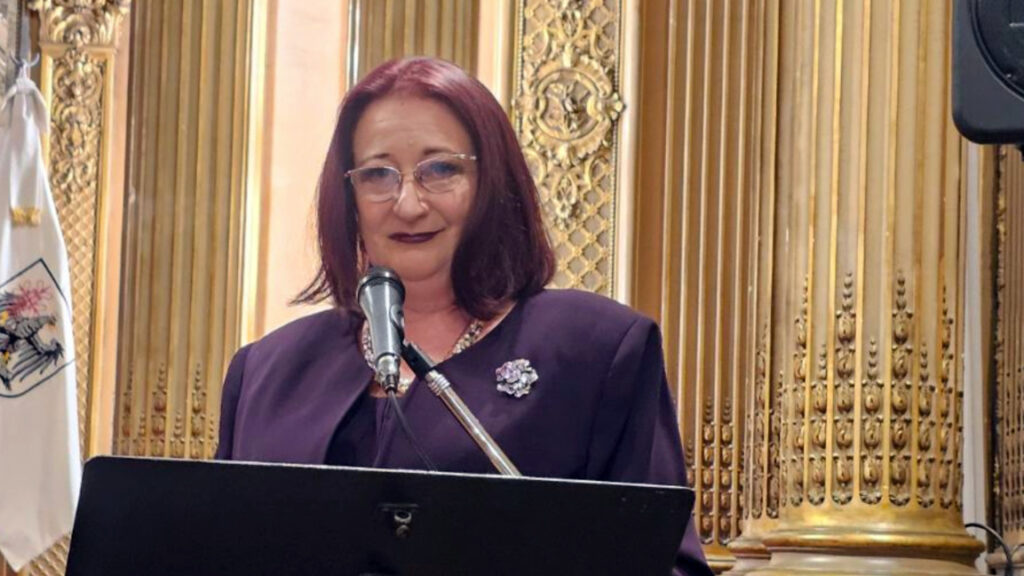
Ten days, 7 flights and dozens of meetings with Bulgarians in Colombia,
Argentina, Chile and Brazil – this is the brief summary of the last
trip to South America of the Executive Director of the Executive
Agency for Bulgarians Abroad, Raina Mandzhukova.
“Last
year, we received an invitation to celebrate the 100th anniversary of
the resettlement of Bessarabian Bulgarians and Gagauz in Brazil,
planned for April 25. This topic is not only close to our hearts, but
the Agency is of crucial importance for the popularization of this
information in Bulgaria in general. In 2010, within the framework of
our publishing program, Jorge Cocicov‘s book “Immigration in
Brazil and Uruguay: Bessarabian Bulgarians and Gagauzes” was
published, and it unleashed the interest of researchers in this
topic. We knew that we had Bulgarians in Brazil, but the general
public did not know that some of them were Bessarabian Bulgarians,
who had once moved from Bulgaria to Bessarabia, and then to Brazil.
In addition, the Agency supported Polya Stancheva’s film “And They Reached the End of the World”, which tells the story of
Bulgarians in Argentina, and in the meantime, the film team won funds
under the “Mobility” program of the Ministry of Culture,
which gave them the opportunity to travel to Argentina to present it
there. I was invited to be part of the team that would present it,”
said Raina Mandzhukova in a special interview for Radio Bulgaria.
Bulgaria looks to strengthen ties with diaspora in South America
Bessarabian Bulgarians in Brazil or how far do Bulgarian roots reach?
The story of Bessarabian Bulgarians who immigrated to Brazil in the early 20th century
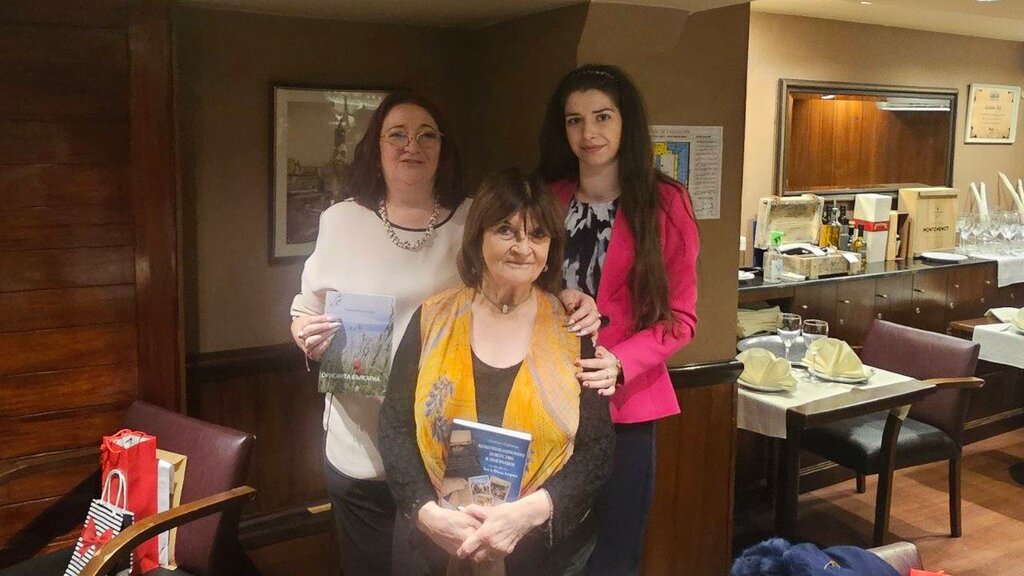
On
the eve of the trip, the book by PhD student from the New Bulgarian
University, Angela Georgieva, “Communication Art in Migration –
Volume One: South America”, was published, which supplemented
the substantive part of the program. “For ten days, we managed
to meet with Bulgarians in four countries and present two products,”
the executive director of the Agency for Bulgarians Abroad said. The
first meeting was in Bogota where a three-hour stay at the airport
allowed the delegation to invite representatives of the Bulgarian
community in Colombia.
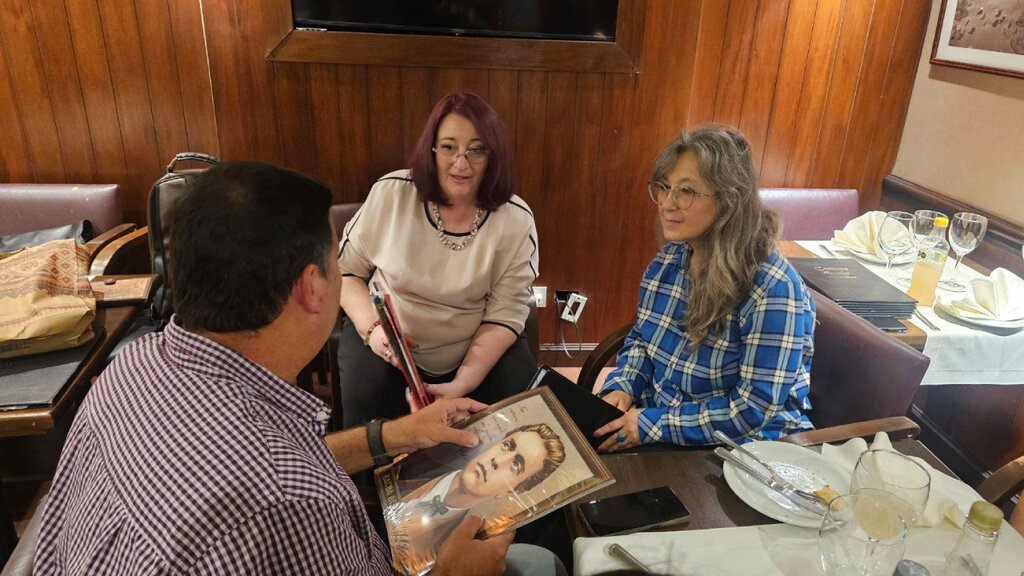
“One
came – Nestor Slavov, musician, trombonist, who has been living there
for years. I am very grateful to him for coming, because he told
extremely interesting and important things about the Bulgarians in
Colombia. They are mostly musicians or specialists in various fields,
but they maintain ties with each other and their biggest problem is
the lack of an embassy and the need to resolve consular issues in São
Paulo. They raised questions about acquiring Bulgarian citizenship.”
The
most intense program was in Argentina, where Raina Mandzhukova was
welcomed as someone who kept her promise made during the first visit
of an agency representative there in 2023.
“The
least I did after my visit to Argentina at that time was to change
the Agency’s country representative, appointing a person who speaks
Spanish. Because these are descendants of Bulgarians who left at the
beginning of the 20th century and their knowledge of the Bulgarian
language has faded very much. I had no idea how positive this
decision would turn out – now I saw on the spot that people are very
grateful that communication with the Agency has become much more
direct and active over these years.”
Mandzhukova
also recalls some events in Bulgaria that have occurred as a result
of this active dialogue, such as the welcoming of Erica Perales to
Bulgaria. Now preparations are underway for the visit of another
compatriot – from the Ivan Vazov Cultural Association in Berisso,
who, like Erica, will spend two months in Bulgaria.
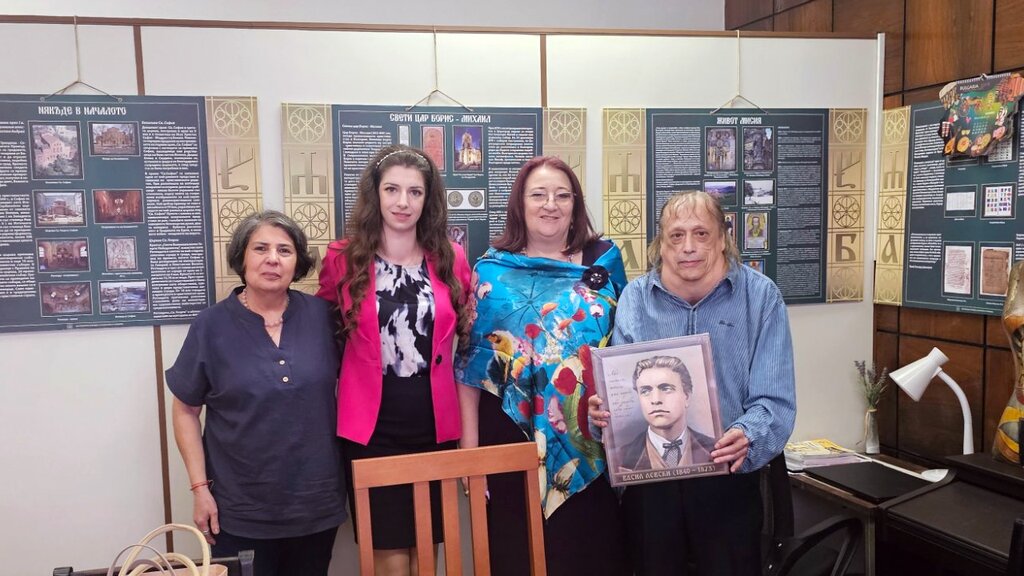
“The
most important thing is that for a year now there has been a Sunday
school in Argentina, which became possible thanks to another of our
partners – the chairwoman of the Spiritual Mirror association, Ms.
Tania Kostadinova. The fact there is an online school in Argentina,
which is a branch of the Bulgarian school in Skopje, is unique and
about thirty children in Argentina are already studying Bulgarian,
under a program funded by the Bulgarian Ministry of Education and
Science,” Mandzhukova says.
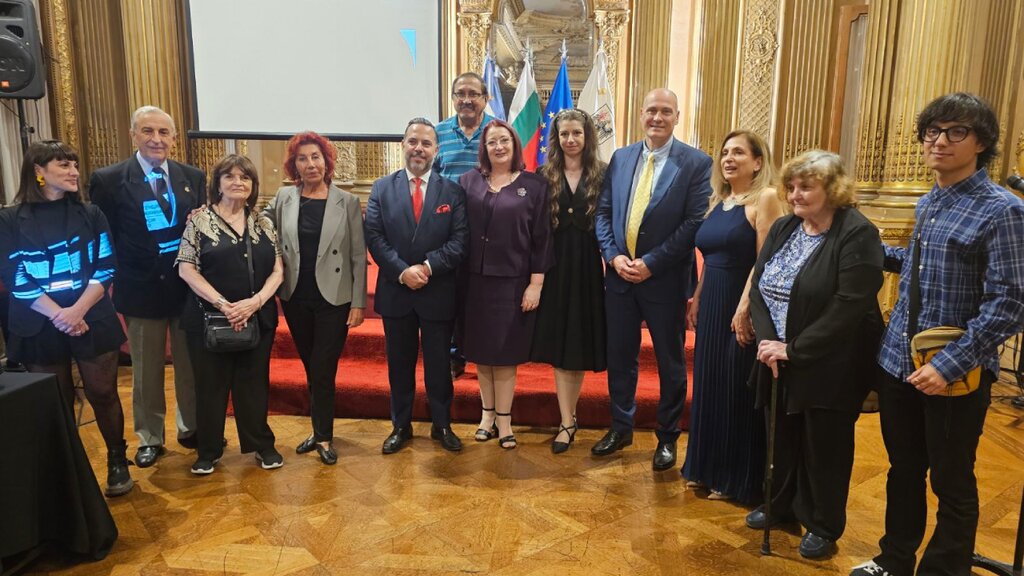
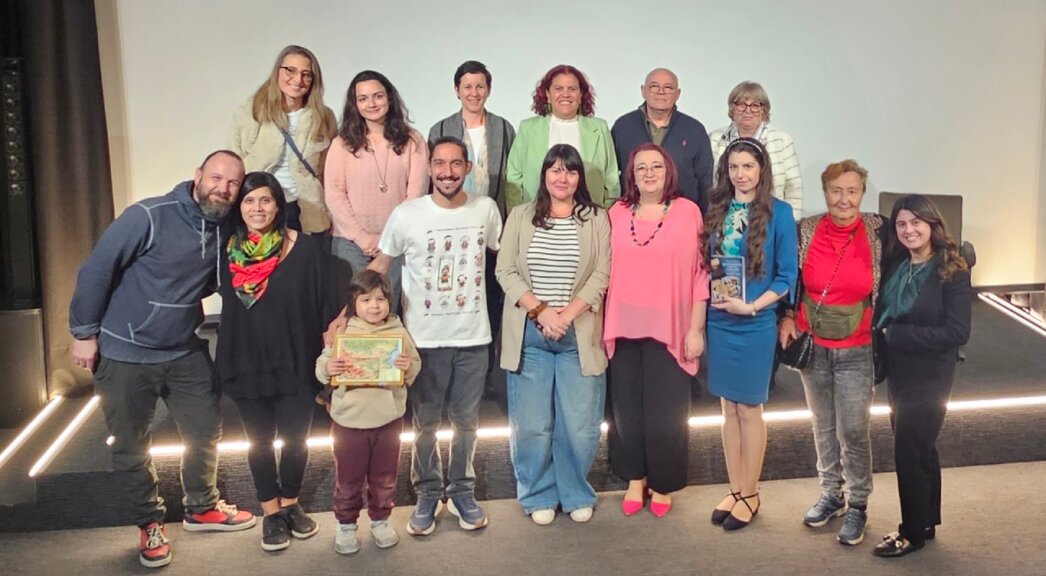
The
central event – the presentation of Polya Stancheva’s film
and Angela Georgieva’s book – took place in the “Golden Hall”
of the Ministry of Culture of the Autonomous City of Buenos Aires –
an important gesture by the local authorities towards the Bulgarian
community there.
Speaking
chronologically about her meetings in South America, Raina
Mandzhukova reaches Chile, where there is no Bulgarian organization:
“But
on the other hand, we have many Bulgarians. From the doyen of the
community, Margarita Ganeva, who has been in Chile for over 40 years,
to several young musicians who have been in the country for 3-4
years. They were very happy that a representative of the state was
with them. Many suffer from the lack of an embassy. We have
identified a number of actions to make this relationship more
direct.”
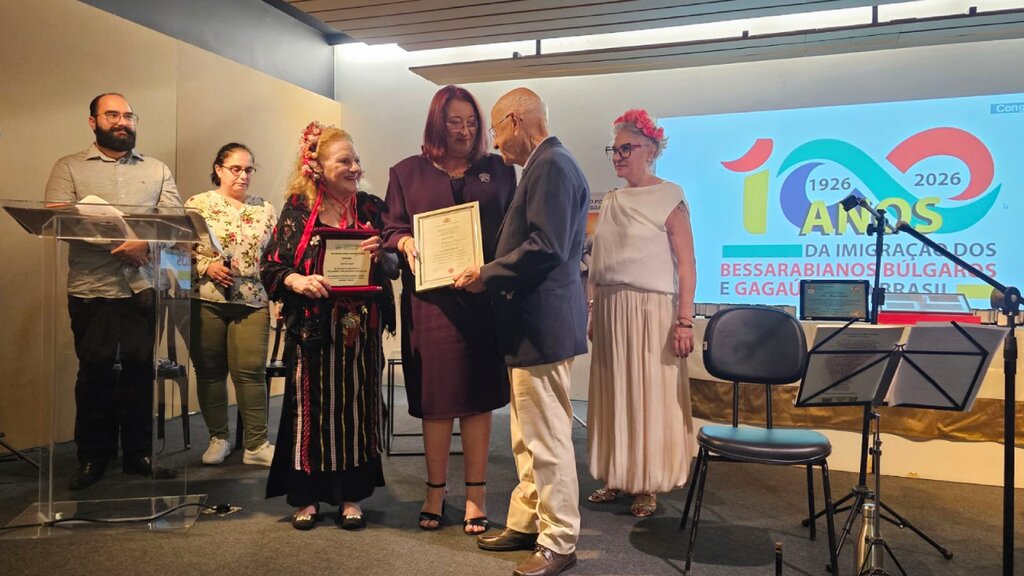
The
Bulgarian Sunday School in São Paulo was the next exciting stop for
the head of the Agency for Bulgarians Abroad, where with director,
Mihail Krastanov, she discussed the current problems facing the
educational institution.
“Beyond
the emotional, I really saw that these Bulgarians, like the
Bulgarians in Argentina, although their knowledge of Bulgarian has
faded quite a bit, continue to feel connected to Bulgaria. And
on the occasion of the anniversary of the resettlement, they have published this book: “1926-2026: A Short Version of the History of
the Resettlement”, with a very interesting cover, on which a ray
of sunshine passes through Brazil, Bulgaria and Bessarabia. At the
Agency for Bulgarians Abroad, we will check the possibilities of
publishing this book in Bulgarian.”
See also:
Bessarabian Bulgarians in Brazil have not forgotten their roots
Writer Zdravka Evtimova: For Bulgarians abroad, Bulgaria continues to be a good remedy