
Governments are often in need of fast-footed individuals to transform political grandstanding into concrete action, useful to citizens. Without these valuable enablers, projects frequently face burial in the graveyard of ministerial filing cabinets.
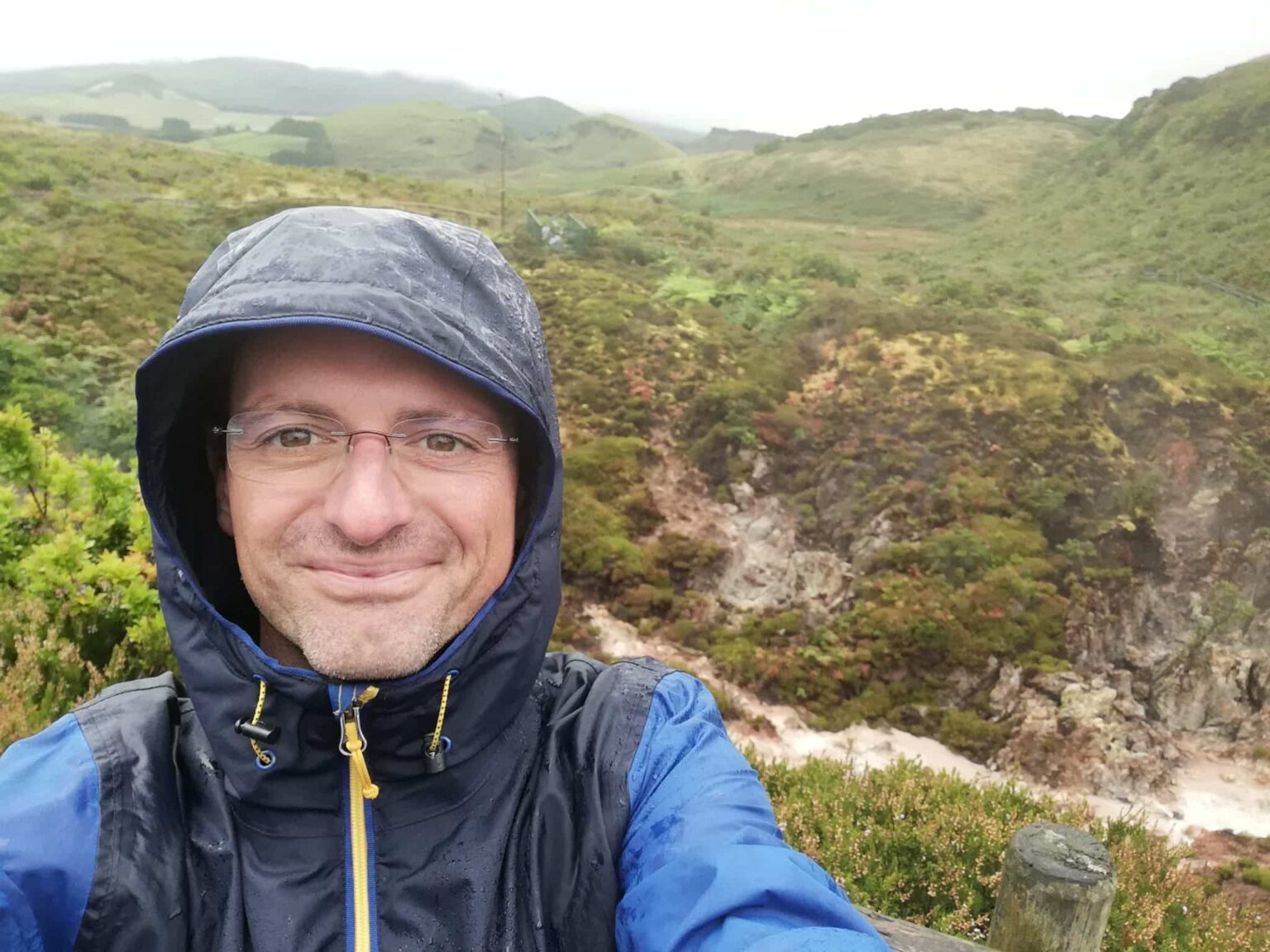
Tiago Capela Lourenço is an Environmental Engineer and Climate Risk Management and Sustainability expert, who has spent the last two decades advising the Portuguese government and municipalities around the country on climate mitigation and adaptation, moving between the corridors of central government policymaking, academia and local communities.
Adaptation without frontiers
Lourenço plays a leading role in Portugal’s first National Adaptation Hub, funded by the European Union’s Horizon Europe. The Hubs are a multidisciplinary project which aims to enhance climate resilience across the continent.
Lourenço explains: “We will use the National Hub to foster training sessions and twinning with other countries, working in a more informal manner, like a community of practice to bring together knowledge and resource” to speed up European and national climate adaptation. He says involvement in European projects and the opportunity to learn from international peers has been an incredible stimulus.
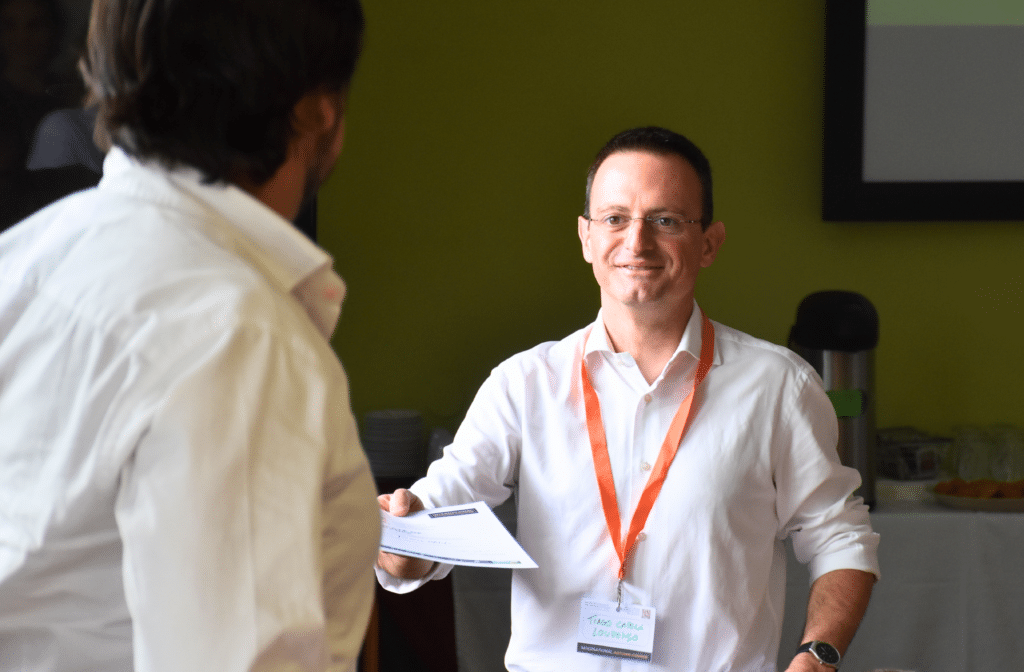 Tiago Lourenço is a lead researcher at the Centre for Ecology, Evolution and Environmental Changes
Is Portugal prepared?
I’m meeting Tiago Lourenço at the Science Faculty of the University of Lisbon where he’s a lead researcher at the Centre for Ecology, Evolution and Environmental Changes. He explains studies point to three types of climate hazard for Portugal, and that the country has experienced them all: the 2003 heatwave, the 2017 wildfires and, in February this year, storms and flooding.
He affirms: “We’re now in the new normal”, explaining that climate models indicate that, in the future, Portugal will not escape a repeat of these hazards.
“Is Portugal sufficiently prepared?” I ask him.
“From the response in February, we can see the authorities were not expecting this scale of flooding and were largely taken by surprise,” Lourenço comments.
Compared to other areas of Europe and the world, Portugal can perhaps be considered to have been lucky as far as extreme climate events go. At least so far.
If there is a repeat of Portugal’s February storms next year, Lourenço believes the outcomes will be similar. “Climate change adaptation requires conducting studies, understanding the risks, putting in place new measures and then monitoring these measures.”
The dykes that burst in Coimbra were more than 50 years old, dating from an era when climate change wasn’t yet part of the discussion. In Portugal, this discussion began in the late 1990s, with the first climate change impact studies following around the turn of the century. “Scientists always tend to be ahead of policy,” Lourenço says wryly, suggesting more should have been done by the authorities in the generation since 2000.
“We’re reactive, not proactive”
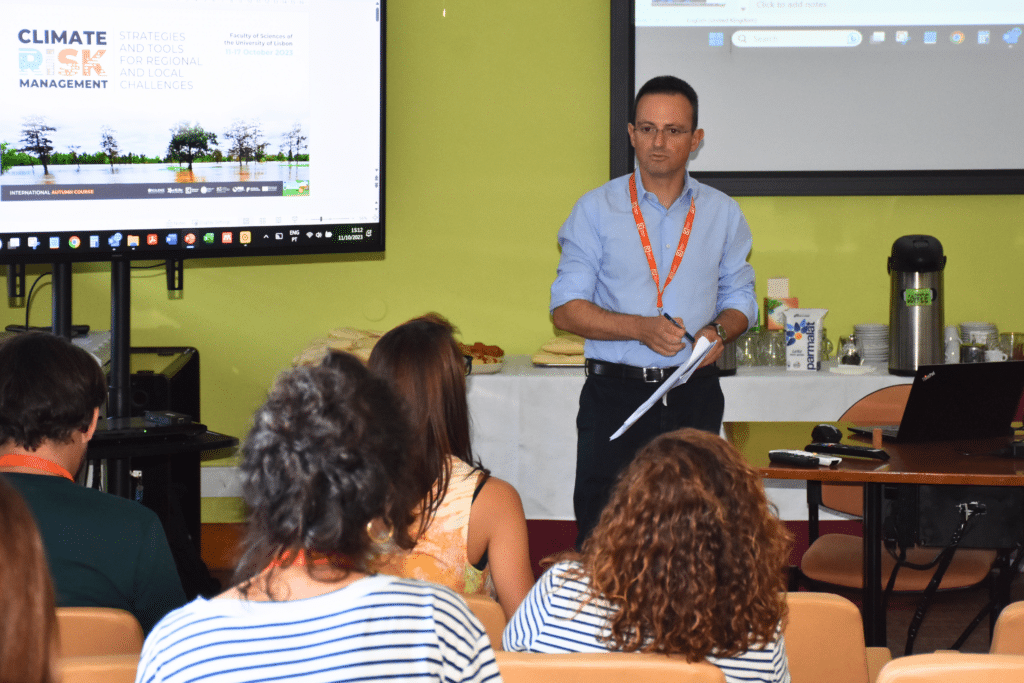
In Lourenço’s opinion, when it comes to the long-term, governments tend to lean towards inertia on climate mitigation and adaptation. “We’re reactive, not proactive. The cycle of adaptation is very different to the cycle of policy. There is a disconnect between policy discourse and adaptation practice. People in government need to be thinking several legislatures ahead, not only about the current legislature.”
The situation is compounded by Portugal being a highly centralised country, in which decisions emanate from Lisbon, impractical when real-life adaptation is most often carried out at municipal level.
Lisbon, adapting at pace
Since creating its first climate adaptation strategy in 2008, Lisbon has been active, creating a water drainage plan and water retention points.
Another significant area of municipal activity has been heat adaptation. Parks and gardens only cool the surrounding area to within 150 metres, so it has been necessary to innovate. The city is developing cooling centres, while providing early warning of extreme heat for the elderly and tourists.
The city has drawn up a heat wave risk map and will soon be able to pinpoint exactly where its most vulnerable populations are located. These are often the elderly, living alone and affected by energy poverty. Without air-conditioning at home, they need facilitated access to cooling centres. Lourenco remarks: “The rich can mitigate; the poor can’t adapt.”
Resilience implementation is not always straightforward. How, for instance, can a city protect its refuse collectors or construction workers during a heat wave? Is the best solution for them not to work in the middle of the day? Perhaps possible for certain categories of urban workers, this is more difficult for agricultural workers. “There are always trade-offs in adapting to climate change!” Lourenço observes. In 2020, Lisbon was designated European Green Capital.
More engaged younger generations
Despite his concern for the risk side of the climate equation, Lourenço remains optimistic about the adaptation side. “I don’t believe countries will dismantle their investments in renewable energy now. Fortunately, the private sector and academia have also jumped on board.”
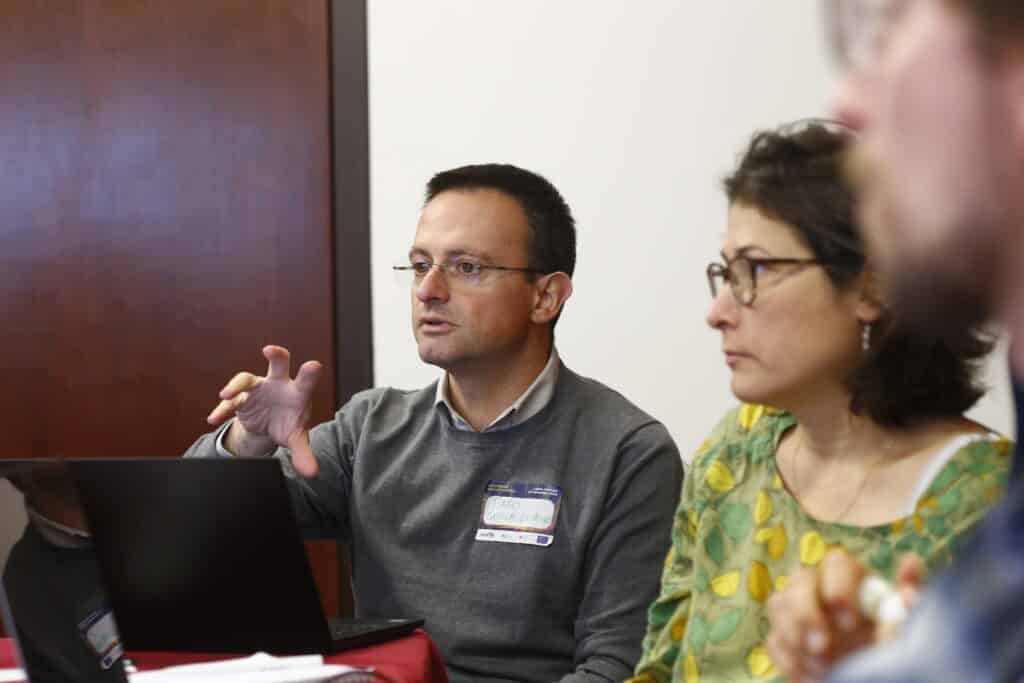
He believes a positive about younger generations is that they were born with sustainability conversations already embedded since pre-school. This is making it easier for governments to plug sustainability; younger business leaders are also more engaged and open to new technologies. “I hope with a more evidence-based approach we can generate new mindsets,” he remarks, while lamenting that across Europe right-wing populist movements are clashing with this science-based increase in public awareness.
Another cause for optimism is the development at scale of carbon capture technology. Lourenço considers it is now realistic to expect expansion of this technology within the medium-term future, with even oil majors investing large amounts of money in developing carbon removal. The problem remains storage, as leaks can occur over a long period. “With its risk from earthquakes, Portugal is probably not the best option here,” he muses.
Lourenço concludes by observing that there’s no shortage of planning in Portugal now; the hard part is getting from plans to implementation. “Sometimes plans become almost an end in themselves! We must build awareness that all our public policies need to be tailormade to the new climate realities.”