
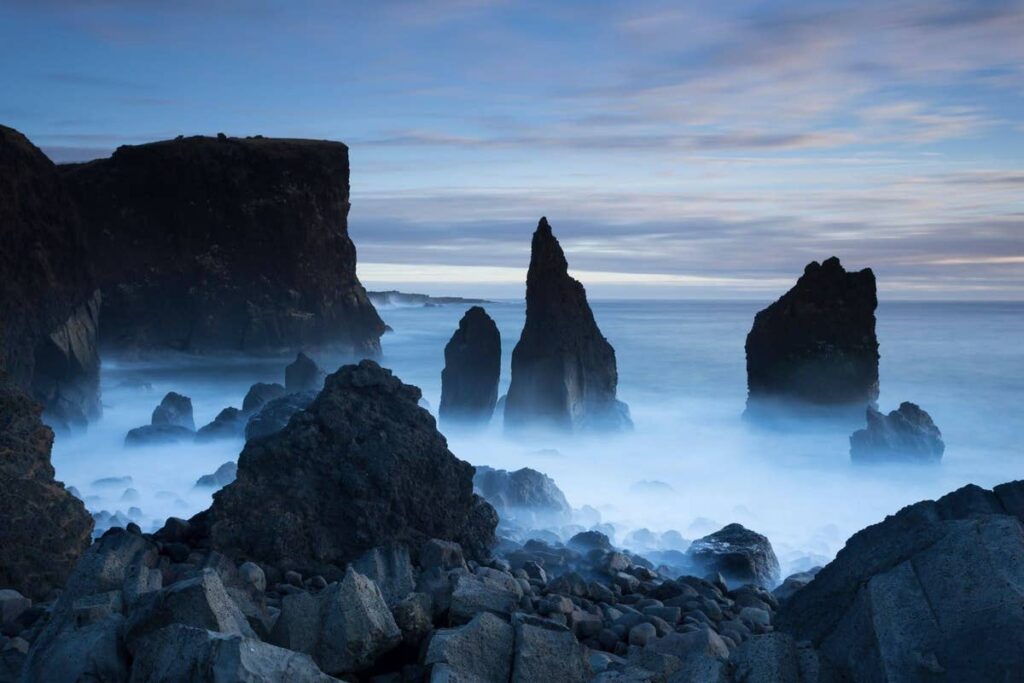
4. Stand Where the Dillon House Once Stood
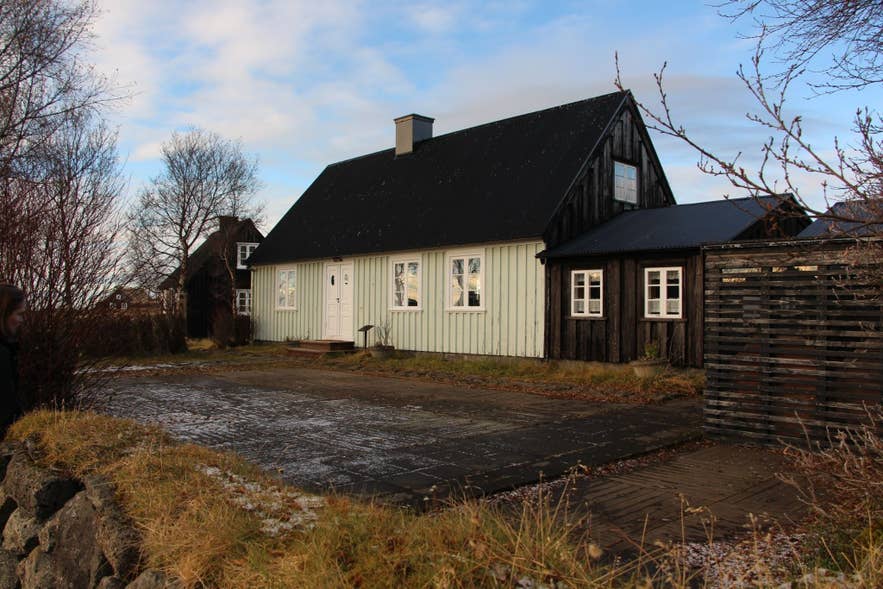 In the middle of Reykjavik, there’s an ordinary car park that most people walk past without a second thought. But not long ago, this was the site of what many called the most haunted house in the city.
Built in 1835, the home later gained national attention after a murder-suicide in 1953. A pharmacist living in the house poisoned his wife and three children before taking his own life. The case shocked Iceland and remains one of the most disturbing crimes in the nation’s history.
After the tragedy, stories about strange activity quickly spread. Former residents reported flickering lights, sudden cold spots, and furniture moving without explanation. Some visitors claimed they heard voices or sensed they were being watched inside the empty rooms.
One of the most chilling stories came from Danish students who stayed there in the 1960s. A student later described seeing the same ghostly scene night after night: a silent family seated around the kitchen table as the father passed around a bottle.
Eventually, the house was removed and relocated to the Arbaer Open Air Museum, where it still stands today. Its original site is now just a quiet parking lot, but some say the family still watches, waiting for the bottle to claim another.
How to visit: The original plot is at the corner of Sudurgata and Tungata in central Reykjavik, now a simple car park. The house itself is at the Arbaer Open Air Museum in eastern Reykjavik, reachable by bus route 19 from Hlemmur or a 10-minute drive from the city center.
3. Step Into Dimmuborgir, but Don’t Stay Too Late
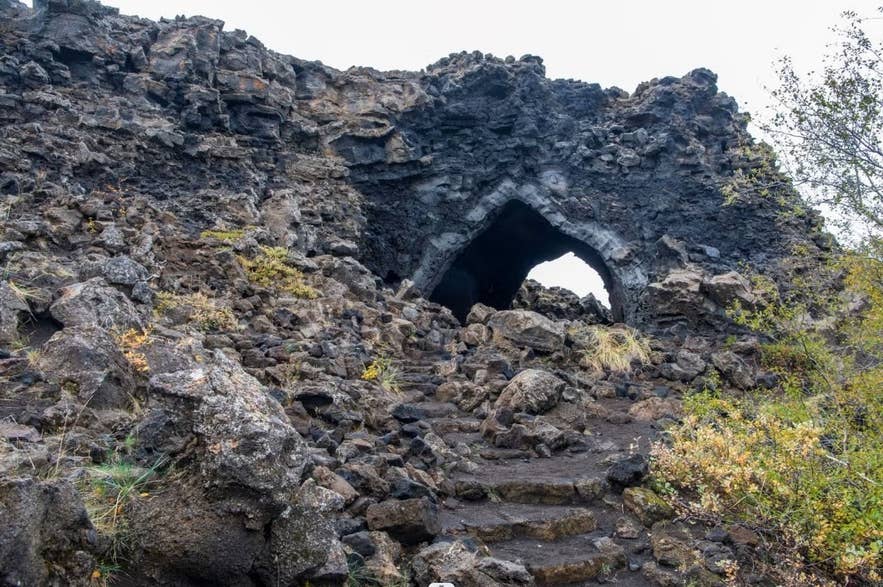 In North Iceland near Lake Myvatn, Dimmuborgir Lava Field is known for its jagged lava formations and eerie stillness. The paths twist through rock pillars and caves that look like ruins, but the stories here go deeper than the landscape.
Locals say the area is a portal to the underworld. Some visitors have heard whispers, felt cold spots, or seen shadows move between the rocks. There are reports of footsteps behind you that stop when you turn around.
The longer you stay, the more the place shifts. The silence gets heavier. The path feels different. Some travelers leave early and won’t say why. Others have walked off the trail and had trouble finding their way back. A few say the land feels like it’s watching.
Dimmuborgir is open year-round and easy to reach by car. Most people visit during the day. Some locals won’t stay after dark.
How to visit: Dimmuborgir is open year-round, about 5 miles (8 kilometers) east of Reykjahlid near Lake Myvatn. It’s easy to reach by car via Route 848 and around a 45-minute drive from Akureyri.
2. Explore the Haunted History of Hofdi House
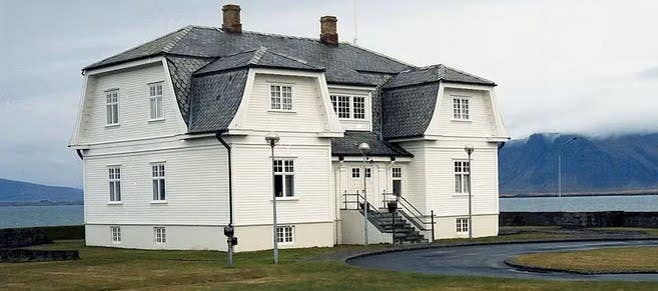 Hofdi House, located on Reykjavik’s northern shoreline at Borgartun 105, is best known for hosting the 1986 summit between U.S. President Ronald Reagan and Soviet leader Mikhail Gorbachev. But ask around, and you’ll hear very different kinds of stories.
The house was built in 1909 for the French consul, Jean Paul Brillouin. It later came into the hands of Einar Benediktsson, an influential Icelandic judge and poet, who moved in around 1914.
Benediktsson claimed the house was haunted by a young woman named Sólborg. She had poisoned herself after a verdict he delivered in a notorious assault and infanticide case. She would appear to him at night, distraught and weeping.
Subsequent residents reported similar disturbances. The ghost became known as the “White Lady.” In 1952, British consul John Greenway was so unsettled that he formally wrote to the British Foreign Office requesting to sell the house. His complaint: unexplained “bumps in the night.” The Icelandic Foreign Ministry’s response has since become famous: “We do not confirm or deny that Hofdi has a ghost.”
You can’t go inside unless you’re invited to a private event, but the house still draws curious visitors. If you’re nearby, it’s worth a quiet stop. Just don’t be surprised if the windows feel like they’re watching you back.
How to visit: Hofdi House sits along Reykjavik’s northern waterfront, about a 20-minute walk or 5-minute drive from the city center. The Sun Voyager and Harpa Concert Hall are nearby, making it an easy stop on a waterfront walk. No ticket is needed to view the exterior.
1. Step Inside Reykjavik’s Most Haunted Cemetery
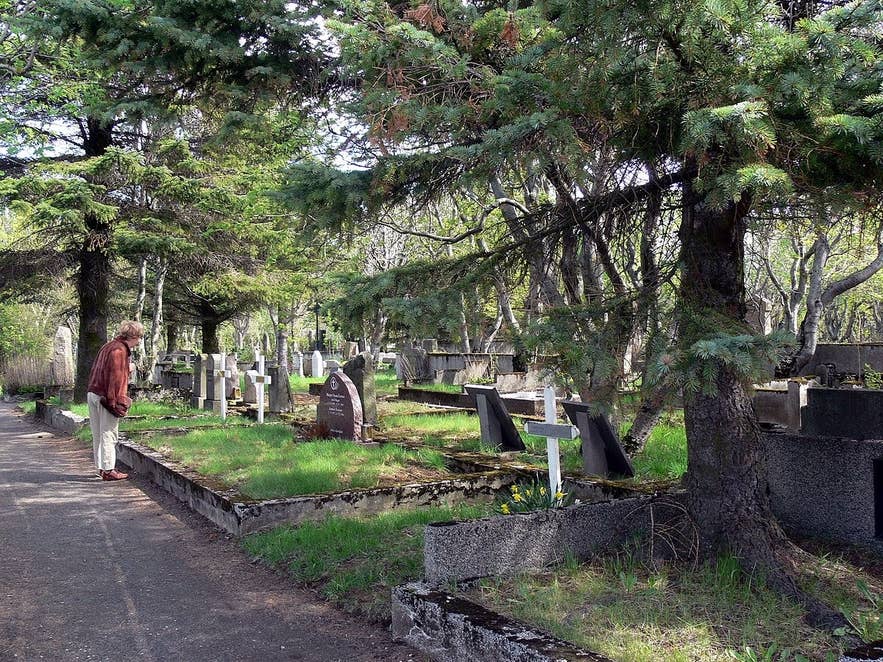 A short walk from Reykjavik’s city center brings you to Holavallagardur Cemetery. The ivy-draped graves, twisted trees, and narrow paths give it an almost peaceful place.
Built in the 1800s, it’s the final resting place of some of Iceland’s most well-known figures, like poet Einar Benediktsson. But alongside the history are stories that are harder to explain. Visitors have reported sudden chills, strange light flickers, and the feeling of being watched when no one is nearby.
One of the most disturbing stories is about a woman in black, often seen standing beside the same grave. Her face is blurred, and she doesn’t move. The second you take a step toward her, she disappears.
According to local folklore, the first person buried in a cemetery is bound to stay behind to watch over the dead. At Holavallagardur, that’s Gudrun Oddsdottir, laid to rest in 1838. Some say if you walk the grounds quietly enough, you might feel her nearby, still watching.
It’s common for visitors to feel an overwhelming stillness here, or to sense someone walking just a few steps behind them. Even if you don’t believe in Iceland’s ghosts, Holavallagardur has a way of getting under your skin.
How to visit: Holavallagardur Cemetery is on Sudurgata, a short walk west of Tjornin Pond. It’s always open and free to enter, about a 10-minute walk from the city center. From Tjornin Pond, head west along the southern shore to reach the gates.
What These Haunted Places in Iceland Leave Behind
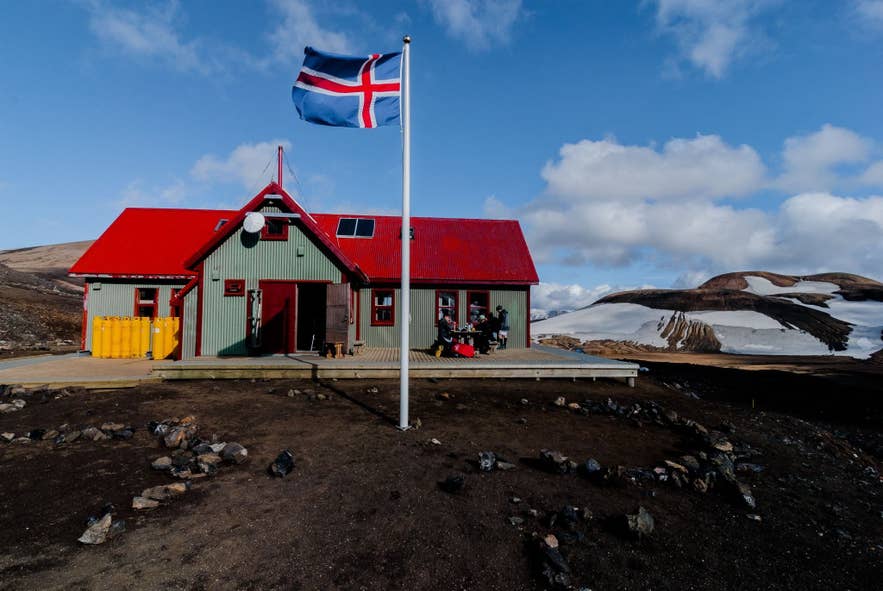 Iceland is known for its landscapes, but the stories tied to them are just as lasting. These haunted places are not part of any performance. They are real locations with history, quiet reputations, and moments people still talk about.
Some are easy to find, while others are hidden between buildings or sitting quietly on the edge of a trail. What they share is a feeling that something is still there. Not loud. Just present.
If the stories here sparked your curiosity, there’s plenty more to explore. Icelandic folklore runs far deeper than ghost stories alone, touching on elves, hidden people, and creatures tied to the land itself. The country’s sagas are just as gripping, and many of the places they describe are still standing.
If you’re planning to explore haunted places in Iceland, take your time. Stay a little longer than you normally would. And pay attention to the quiet. That’s where most of the stories begin.