
German authorities uncovered a large sanctions evasion network that allegedly supplied Russia’s military industry with European dual-use technology through Turkey and shell companies, Politico reported on Monday, May 18.
According to the report, German prosecutors believe a Lübeck-based trading company called Global Trade functioned as a covert procurement arm for Russian industry after Moscow launched its full-scale invasion of Ukraine.
Follow our coverage of the war on the @Kyivpost_official.
Police arrested a 39-year-old businessman identified as Nikita S. during raids connected to the four-year investigation.
Prosecutors allege the network illegally exported European dual-use goods to Russia in violation of Germany’s Foreign Trade Act.
Components allegedly routed through Turkey
According to investigative files reviewed by Politico and BILD, the scheme relied on Turkish intermediaries and German shell companies to disguise the final Russian recipients.
Investigators said the network shipped microcontrollers, sensors, converters, ball bearings, oscilloscopes, and other electronic and mechanical components that could have both civilian and military applications.
Some shipments were allegedly traced to Russian defense-linked entities and nuclear research institutes.
A Turkish company called MR Global reportedly acted as a transit hub, while Russian company Kolovrat – also known as Siderius – allegedly coordinated the procurement operation from Moscow.
Other Topics of Interest
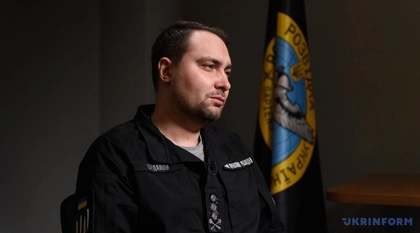
Budanov Says Kremlin Still Trying to Kill Him as He Leads Ukraine’s Secret Peace Talks
Kyrylo Budanov, the head of Ukraine’s Office of the President and top negotiator with Russia, said in an interview with the UK newspaper The Times that the Kremlin is still trying to assassinate him despite his role in peace talks. He said he has survived at least 10 attempts on his life and warned that Russia retains nuclear capability, though he sees no signs of preparation. He stressed that intelligence channels and POW exchange networks are shaping ongoing negotiations.
The report said shipments often reached Russia within five to 10 days after leaving the European Union.
German intelligence reportedly penetrated network
Germany’s foreign intelligence service, the BND, gained access to internal documents, invoices, correspondence, and order lists connected to the operation.
According to prosecutors, investigators later matched European export records with Russian import data and tracked payments through intermediary firms.
One internal message cited in the report allegedly instructed associates: “Make it look clean. No Russian reference anywhere.”
Another reportedly read: “We need a different consignee – Turkey works.”
Prosecutors believe the network handled around 16,000 shipments worth more than €30 million ($34 million).
Several suspects remain in custody as authorities continue building criminal cases related to sanctions evasion and export control violations.