

The National Armed Forces issued a warning on Tuesday, May 19, covering Preiļi, Rēzekne, Ludza and Krāslava municipalities regarding a potential threat to airspace. A cell broadcasting alert was sent initially to residents of these municipalities, and a little later to the residents of Gulbene, Cēsis, Smiltene, and Madona districts, too.
NBS said at 13:40 on Tuesday that the threat was over in most areas except for Krāslava and Ludza, but after 14:00, those municipalities also had their alerts lifted.
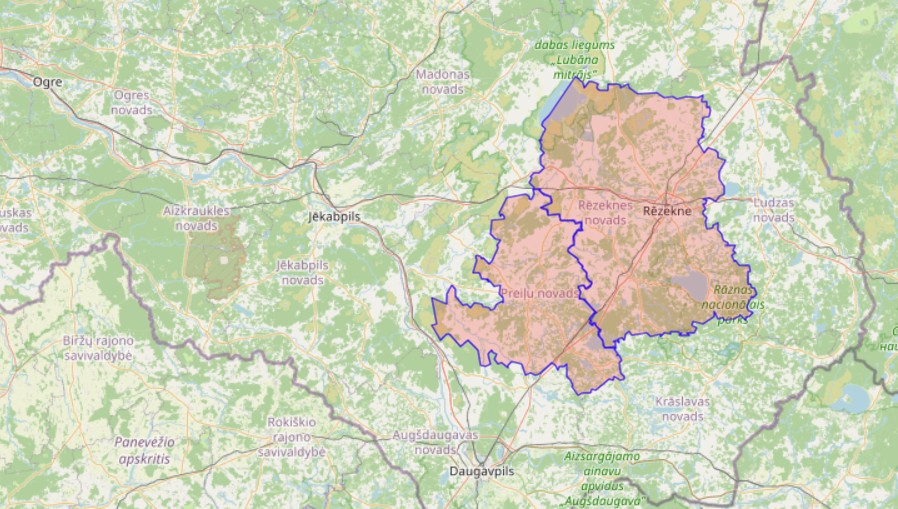
Photo: 112.lv
At around the same time the alert was issued, Latvian President Edgars Rinkēvičs took to social media to declare: “Russia is lying about Latvia allowing any country to use Latvian airspace and territory to launch attacks against Russia or any other country.”
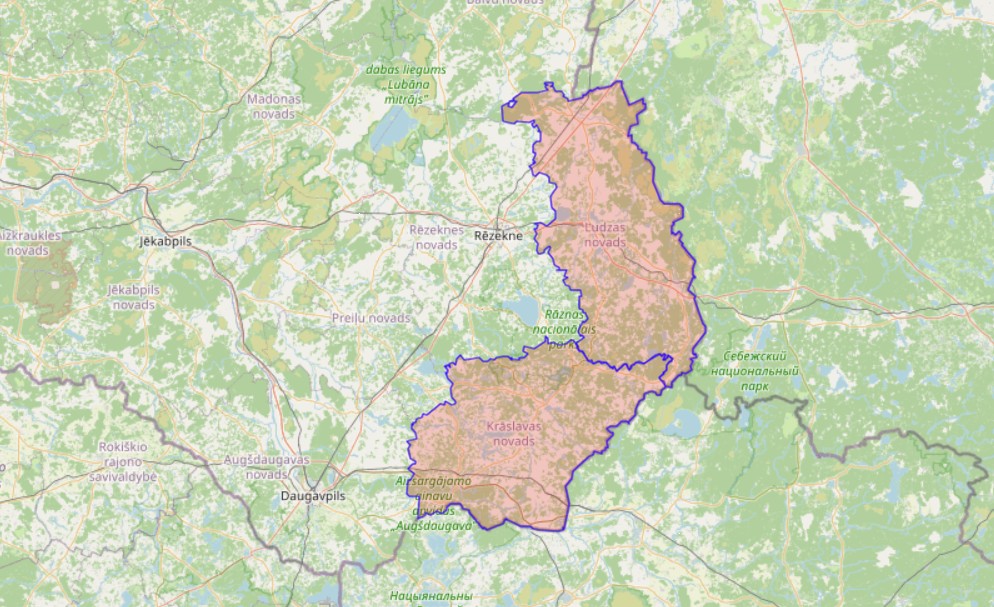
Photo: Ekrānuzņēmums
Colonel Māris Tūtins of the National Armed Forces stated on the Latvian Radio programme “Pusdiena” that a single drone had most likely entered Latvian airspace and was located in the Preiļi region. He explained that the threat sensors had detected it shortly before noon.
The “Vivi” passenger train company reports that, due to the hazard, train services have been suspended in the Krāslava, Preiļi, Ludza, Rēzekne, and Madona municipalities until the hazard has been resolved.
In related news, Estonia said it a Romanian plane operating as part of NATO’s Baltic Air Policing mission had shot down a drone in southern Estonia.
ERR News reports a drone that entered Estonian airspace was shot down over Lake Võrtsjärv, Defense Minister Hanno Pevkur said. Drone debris fell at the edge of a field in Kablaküla village, Põltsamaa Municipality.
“We received advance information from our Latvian colleagues, and our radar also detected a drone moving into southern Estonia. We activated the necessary measures, and a Baltic Air Policing fighter jet shot the drone down,” Pevkur said.
How to act in the event of an air threat:
If you are in the affected area:
- if you are indoors, take cover in places where there are at least two walls between you and the outside of the building;
- if you are in a car, assess the situation. Continue driving to a safe location or get out immediately, move away from the road, and seek the nearest shelter;
- if you hear the sound of an explosion, stay indoors and stay away from windows and doors;
- if an explosion has occurred, do not leave the premises until you receive notification from the emergency services or at least 10 minutes after the last explosion;
- when resuming movement, do so slowly, assessing the safety of your route;
- do not post photos or videos on social media to avoid spreading misinformation and revealing defensive positions;
- go to the nearest shelter (such as a basement or bomb shelter) only if the early warning system indicates that you need to go there. Find shelter locations here.
If you are not in the affected area:
- Follow the instructions from the relevant authorities regarding what to do next;
- Contact friends, family, and acquaintances who are in the affected area and make sure they are aware of the danger.
Select text and press Ctrl+Enter to send a suggested correction to the editor
Select text and press Report a mistake to send a suggested correction to the editor
Tell us about a mistake