
The National Engineering Policy Centre calls for a step-change to maintain system resilience and reduce energy costs.
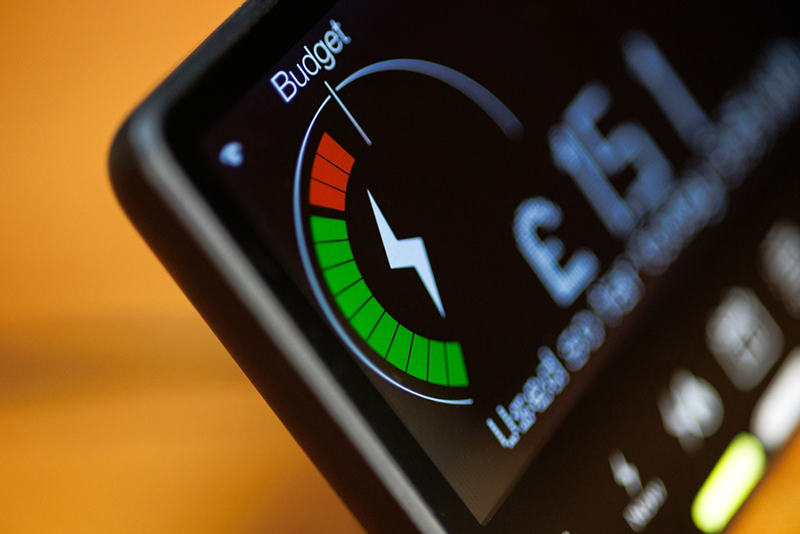
Acceleration the roll-out of smart meters is one of the recommendations of the report
© nickj / Shutterstock.com
The warning comes from a new report, Smart Systems for Clean Power: Why Faster, Better Digitalisation is critical for Clean Power 2030 and beyond. It calls for work on a permanent digitalisation coordination function to be accelerated, and a dedicated system integration function to be established.
The report notes that successful infrastructure transformations depend crucially on clear overall governance, co-ordinating architecture and accountability.
The scale of the task in decarbonising the electricity system will also require engineering and technical skills that the UK doesn’t currently possess. Recent analysis shows an additional 200,000 workers are needed by 2030 across the energy sector.
Without addressing these challenges, experts warn that we run the risk of developing multiple incompatible systems, technical divergence, cyber security risks and rising costs.
Smart Systems for Clean Power argues that, properly coordinated, faster, better digitalisation will:
- Better manage supply and demand across millions of energy assets – the future energy system will source power from a myriad of places, from rooftop solar panels to wind turbines in the North Sea, to serve an increasingly complex landscape of electric vehicles, heat pumps and electrified industrial plants. Supply and demand will change dynamically in response to factors as diverse as weather conditions and the choices of millions of users. Such a system must be digitally enabled, with shared data, software and hardware helping system and network operators to see across the whole system in real time and coordinate rapid action to manage it.
- Help manage excess capacity and curtailment costs – digitally enabled flexibility services, including smart tariffs, will allow abundant renewable electricity to be used at time of generation. This will relieve curtailment and balancing costs (financial payments to solar or wind operators to limit the amount they generate), which are currently high and projected to rise. This could help to reduce system costs and consumer bills as well as saving energy.
- Reduce cybersecurity risks – a well-designed digitally enabled system, with a permanent digitalisation coordination function, will be able to minimise systemic risks including cyber-attacks on critical infrastructure, control rooms, or digital platforms. Without proper coordination these risks would be heightened.
The report makes several other recommendations. These include making sure that systems, markets and platforms are integrated, using the National Energy System Operator’s (NESO) Sector Digitalisation Plan as a near-term foundation and embedding feedback loops to capture learning and improve performance.
It also highlights that a more rapid roll-out of smart meters is needed. Widespread adoption of smart meters is seen as key to providing the underlying data for a smart and digitalised electricity system and the benefits they provide, such as reduced prices through dynamic tariffs. However, this depends on 86-90% of UK households installing them.
Currently around 70% of households in Great Britain have smart meters. In addition, seven million smart meters will require replacement or upgrading by 2033, to ensure they can access advanced digital services.