
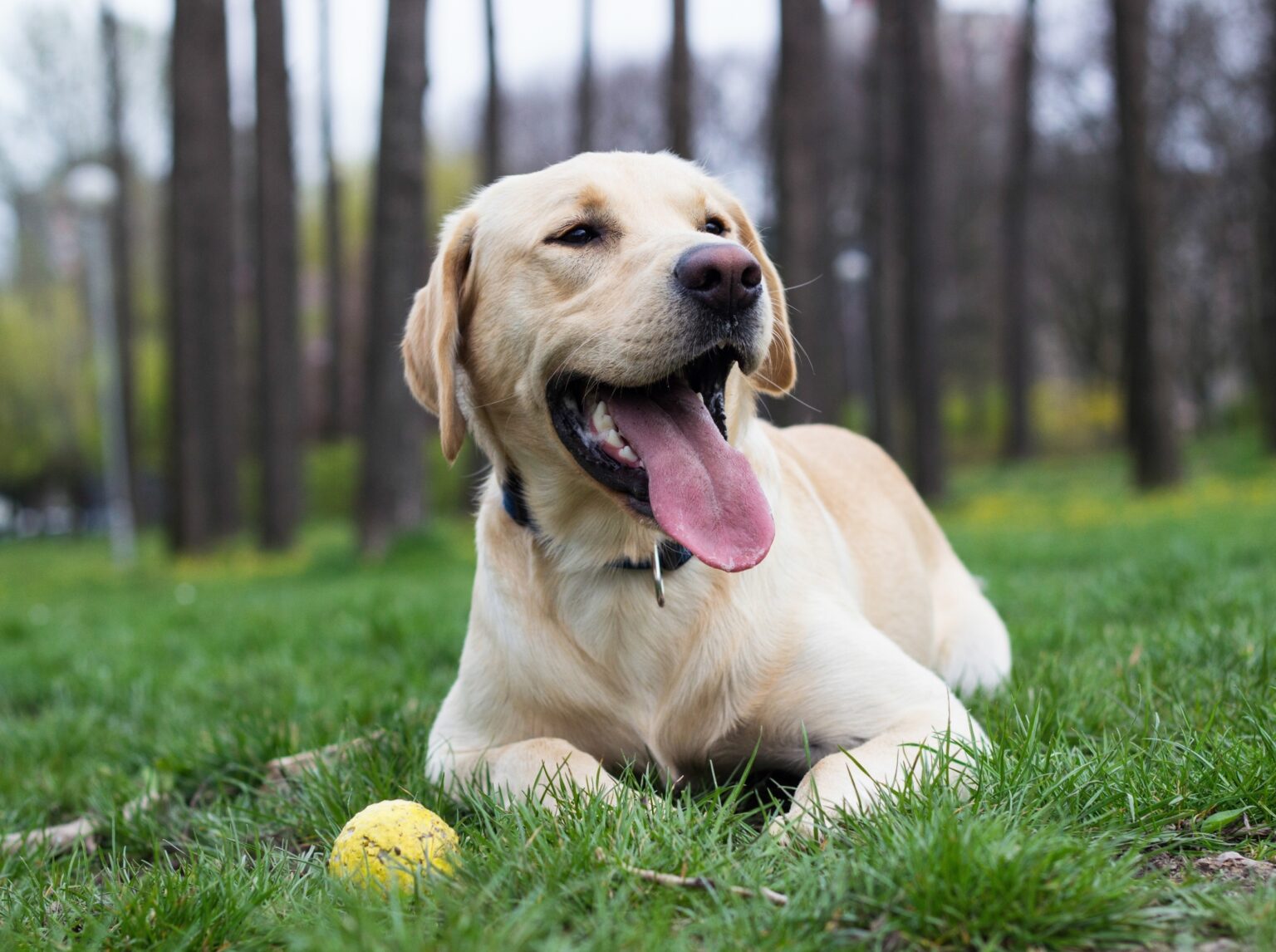
Dog breath comes up at virtually every vet visit. The usual fixes – tooth brushing, antibiotics, or a chemical rinse – all target the smell from the outside in.
Researchers are now testing something far less expected: compounds extracted from molasses.

A team of food scientists wasn’t thinking about dog teeth at all. They were studying the dark sticky byproduct of sugar refining.
What they found could change what vets reach for next.
Why dog breath smells bad
Bad dog breath usually means the oral microbiome has tipped out of balance, with the wrong bacteria thriving in plaque, gum pockets, and tongue coating.
As they feed, those bacteria pump out smelly gases – sulfur compounds and other small molecules – that drift out on every exhale and carry that unmistakable smell.
Two bacteria show up again and again when researchers look closely at the mouths of dogs with gum disease: Porphyromonas and Fusobacterium.
Their numbers can jump nearly threefold in animals with gum trouble, according to a study of canine oral samples.
Brushing helps. Dental chews and professional cleanings help more. But compliance is famously poor, and most adult dogs still develop some level of gum disease.
Plant compounds in molasses
This new work came out of a food science lab. Hongye Li, a researcher at Jiangnan University in Wuxi, China, had been studying the leftovers of sugarcane refining.
Li’s team wondered whether the waste stream might serve pet health.
That dark, sticky residue – molasses – is mostly considered an industrial leftover. But it carries a concentrated load of polyphenols, the same broad family of plant compounds found in green tea and red wine.
An earlier paper had shown that molasses polyphenols slow the growth of cavity-causing bacteria in petri dishes. The question was whether the effect would carry from a culture plate to a living dog’s mouth.
Inside the trial
The team, which also included Yin Fei and Wei Zhao, recruited ten healthy dogs with bad breath.
None of the dogs were laboratory animals. They were household pets, brought in with owner consent.
Researchers sprayed the molasses extract directly into each dog’s mouth. Next, they sampled saliva and swabbed for bacteria.
Trained human evaluators rated the breath. Lab instruments measured the chemical fingerprint of the dogs’ breath.
Changes after the first hour
Within an hour, the change was dramatic. Evaluators reported almost no detectable odor.
The chemicals usually responsible for the smell had fallen below what the lab instruments could pick up.
That alone could have been masking. Spray something pleasant in a dog’s mouth and you might just cover the smell. The team checked, and the readings ruled that out.
The smelly compounds weren’t being covered up; they appeared to be either broken down or never produced in the first place.
“The spray itself has a mild plant-like and molasses-like smell, but it is not strong or unpleasant,” said Li.
Chemicals in dog saliva
A single dose is interesting. Sustained effect is what owners and vets actually want to see. The dogs received the spray daily for a month.
By day 30, the saliva itself had changed in ways that suggested something deeper than masking smells.
The smelliest compounds had dropped sharply, including the fatty, rancid chemicals associated with harmful bacteria.
The mix of bacteria living in their mouths looked different, too.
Porphyromonas and Fusobacterium, the two bacteria most associated with smelly breath, had lost ground. Their mouths were not sterile, but were far less hospitable to the worst offenders.
How polyphenols work
Additional lab work and computer simulations revealed what the polyphenols were likely doing. The team identified three different mechanisms.
The molecules appear to bind directly to odor compounds floating in saliva, locking them up before they can escape as vapor.
They also slip into the bacterial enzymes that produce smelly compounds and switch them off.
And over weeks, those bacteria appear to thin as the polyphenols gradually weed them out. Each mechanism alone helps. Together, they hit the problem from three angles.
A recent review of treatments for canine periodontal disease argues that this is exactly the approach the field needs. It’s a treatment that is gentler than broad-spectrum antibiotics and more targeted.
Study limitations and future research
The work establishes something new. Until this study, molasses polyphenols had only been shown to suppress harmful bacteria in petri dishes.
In living pets, the same compounds now neutralize odor molecules, switch off smell-producing enzymes, and thin out the worst-smelling bacteria.
The trial was small, involving ten healthy dogs and a single research team. Future studies in animals with active gum disease will test how far the effect carries.
What changes is the toolkit. For owners who cannot brush a wriggling dog’s teeth, a spray drawn from agricultural waste gives vets a practical option between cleanings.
Researchers say the same multi-pronged approach could eventually influence human dental care, where mouth rinses often still rely on broad antibiotics or aggressive chemical ingredients.
The study is published in the Journal of Agricultural and Food Chemistry.
—–
Like what you read? Subscribe to our newsletter for engaging articles, exclusive content, and the latest updates.
Check us out on EarthSnap, a free app brought to you by Eric Ralls and Earth.com.
—–