
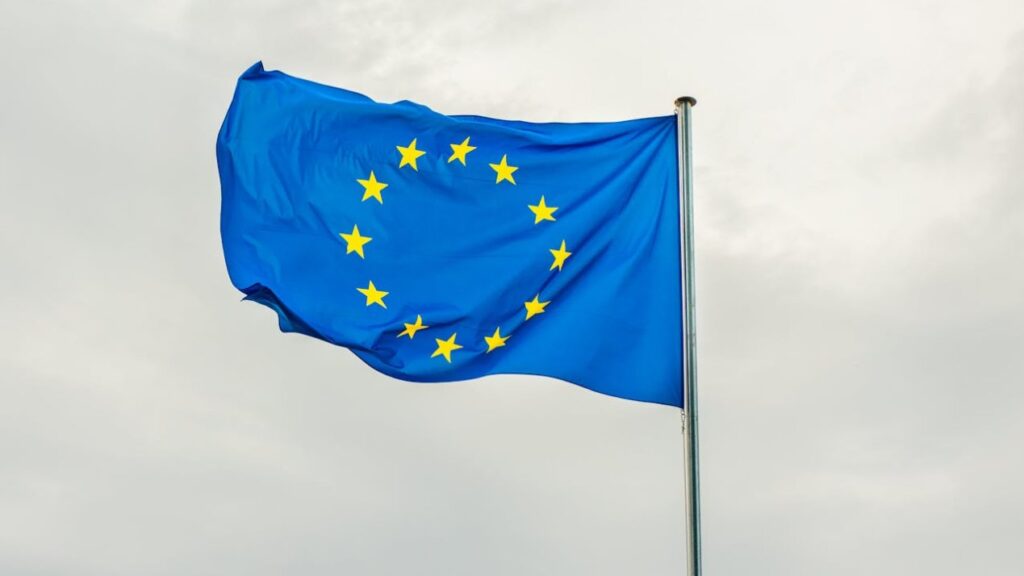
European Commission President Ursula von der Leyen and European Council President António Costa arrived in Mexico City to participate in the VIII Mexico-European Union Summit. Roberto Velasco, head of the Ministry of Foreign Affairs (SRE), welcomed the European leaders ahead of their meeting with Mexican President Claudia Sheinbaum to sign the Modernized Global Agreement. Velasco also received Kaja Kallas, EU High Representative for Foreign Affairs and Security Policy, for preliminary working sessions.
The summit marks the first high-level meeting between the two leaderships in 11 years, following the endorsement of the pact by all 27 EU member states on May 11. Von der Leyen noted that the framework expands political cooperation on global affairs, addresses climate change, and strengthens trade and investment ties.
According to COMCE, Mexico’s foreign trade council, the updated framework is projected to expand bilateral commerce by 35% over five years. Mexican exports to the EU are expected to grow between 25% and 40%, while EU exports to Mexico are projected to rise between 15% and 30%, driven by capital goods and technology. The new agreement replaces an accord in place since 2000, a period during which bilateral goods trade expanded by more than 300%. In 2025, total bilateral trade exceeded US$94.5 billion, while the EU contributed US$9.9 billion in foreign direct investment to Mexico.
“Together we represent a market of more than 582 million people and a GDP of US$25.1 trillion,” said COMCE President Sergio Contreras. European Council President António Costa described the agreement as opening “a new chapter in our partnership.”
The agreement comes as both sides seek to diversify trade relations and reduce market dependencies. Mexico is preparing for reviews of its trade agreement with the United States and Canada, while the EU has advanced separate trade negotiations globally in response to shifting trade conditions and tariff pressures. In 2025, the EU remained Mexico’s third-largest trading partner, after the United States and China.
The text removes most remaining customs duties and eliminates 95% of Mexican tariffs on EU agricultural exports, while protecting 568 European geographical indications, including Champagne and Rioja wine.
COMCE outlined a phased timeline for economic integration. High-value agricultural products such as avocados, berries, tequila, and mezcal are expected to see immediate effects. The automotive and auto parts sector will follow within six to 18 months, advanced manufacturing within 12 to 24 months, and the pharmaceutical and chemical sectors within three years. More than 45,000 EU companies currently export to Mexico, 82% of which are small and medium-sized enterprises.
Additionally, the agreement establishes a specialized Investment Court System to handle investor–state disputes and grants EU firms access to Mexican state-level public procurement contracts. It also eliminates export restrictions on raw materials, prohibits export monopolies, and bans dual pricing to secure access to critical minerals. The framework includes legally binding anti-corruption, environmental, and labor provisions. Cyprus Trade Minister Michael Damianos stated that the agreement advances the EU’s agenda to diversify global trade relations.