
(Photo: Nikola Zoko)
by Paulina Mlinarić
The small Dalmatian town is increasingly attracting travellers searching for more than a typical summer holiday, authentic stories, outstanding gastronomy, untouched nature and a slower Mediterranean way of life.
When you feel the need to escape the noise and pace of city life, there is a place in Dalmatia where you can begin the day swimming in crystal-clear waters, continue with a cycling route beside Croatia’s largest lake, and end the evening dining beneath the stars accompanied by the scent of pine trees and the sound of the sea.
That place is Pakoštane, a small Dalmatian destination situated between Zadar and Šibenik that has, in recent years, become increasingly popular with both Croatian and international visitors seeking an authentic Mediterranean experience.
Today, Pakoštane offers something few Adriatic destinations can combine within such a compact area, sea, lake, islands, history, exceptional gastronomy and locals who embrace life to the fullest.
It is precisely this unique combination that inspired the destination’s slogan, “At the Sea Beside the Lake”, as the Adriatic and Lake Vrana do not merely coexist here, but together shape the identity of the entire region.
Where the Sea Meets the Lake
Pakoštane is one of the rare places on the Croatian coast where visitors can experience two completely different landscapes in a single day.
On one side lies Lake Vrana Nature Park, the largest natural lake in Croatia and one of Europe’s most significant birdwatching areas.
The park is surrounded by cycling trails, panoramic viewpoints and fertile fields that sustained local communities for centuries.
Locals still jokingly say that everything once grew here except bananas and pineapples.
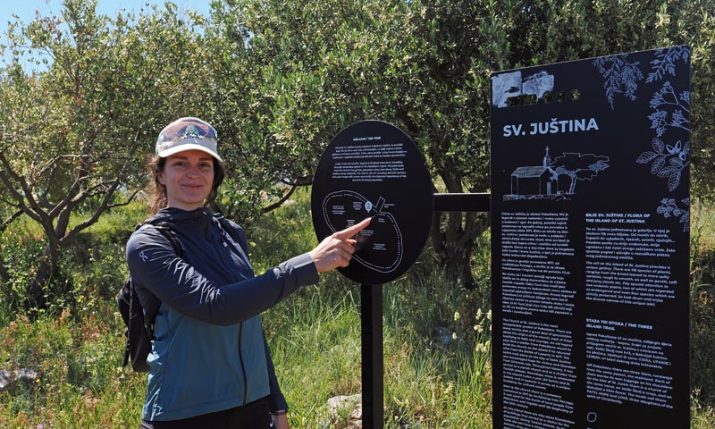
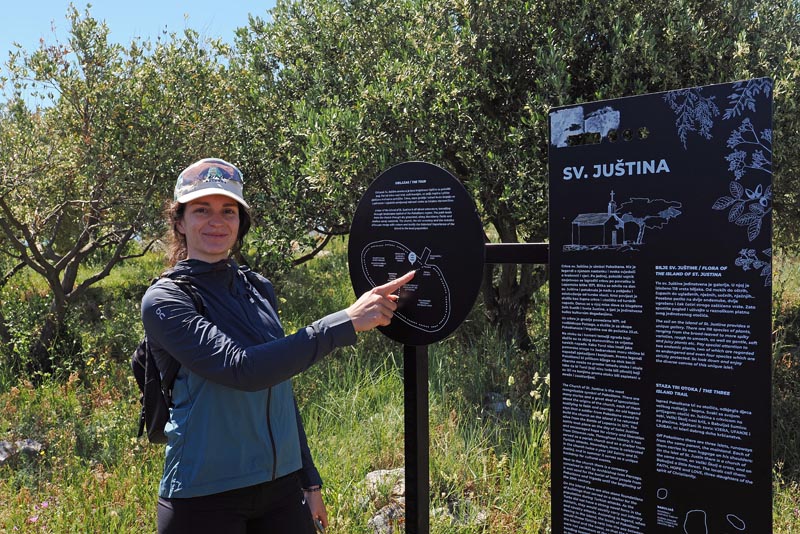
On the other side, views open towards the Pašman Channel and the islands of St. Justina, Veliki Školj and Babuljaš, recognisable symbols of the Pakoštane region connected through the unique “Three Islands Trail”.
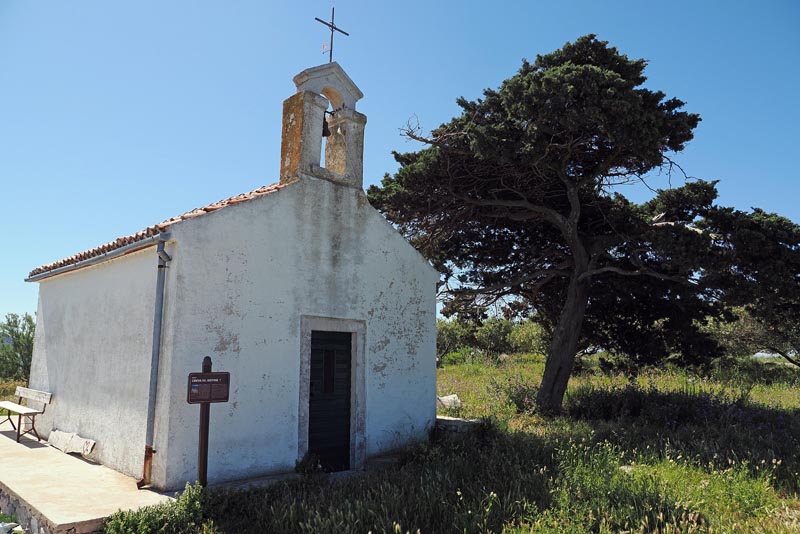
Each island carries its own story, while St. Justina remains one of the most photographed sights in this part of Dalmatia.
(Photo: Nikola Zoko)
The tiny island once served as a refuge for locals during attacks from the mainland.
Today, visitors can reach it by kayak, pedal boat, small boat or even by swimming during the warmer months. The view of Pakoštane from this small island is one that visitors rarely forget.
A Coastal Promenade with a Legend
One of the area’s most scenic walking routes is undoubtedly Put Babe Dore, a panoramic coastal trail connecting Pakoštane and Drage.
As visitors walk beside the sea and the dramatic flysch cliffs shaped over centuries by waves and wind, it becomes almost impossible not to stop every few minutes to photograph the landscape.
Yet the trail also hides a local legend still told to children today.
Beneath the cliffs lies a small yellow cave known as “Baba Dora’s House”.
In the past, grandparents used the story to frighten children into staying close to home, warning them that Baba Dora would take disobedient youngsters to her cave by the sea.
Today, the tale forms part of the local identity and serves as another reminder of how deeply nature, history and folklore are intertwined in Pakoštane.
How the French Changed Life in Pakoštane
Few people know that Pakoštane was among the first places on the Adriatic discovered by the legendary Club Méditerranée.
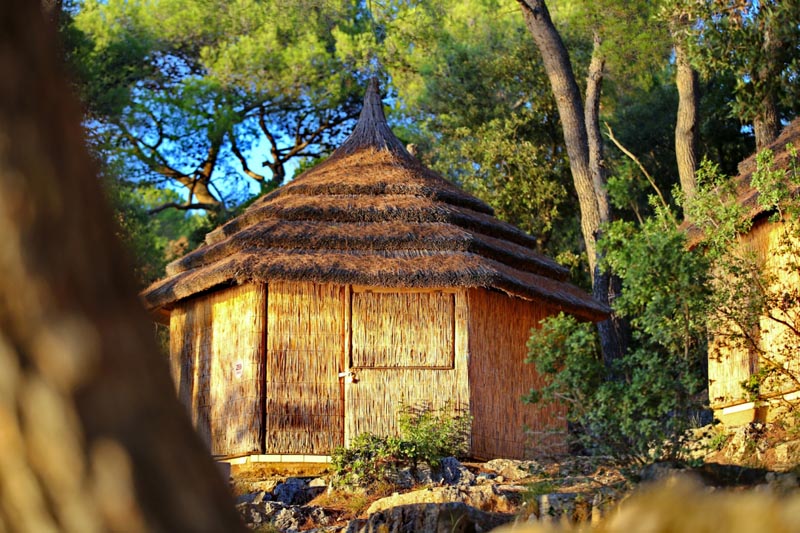
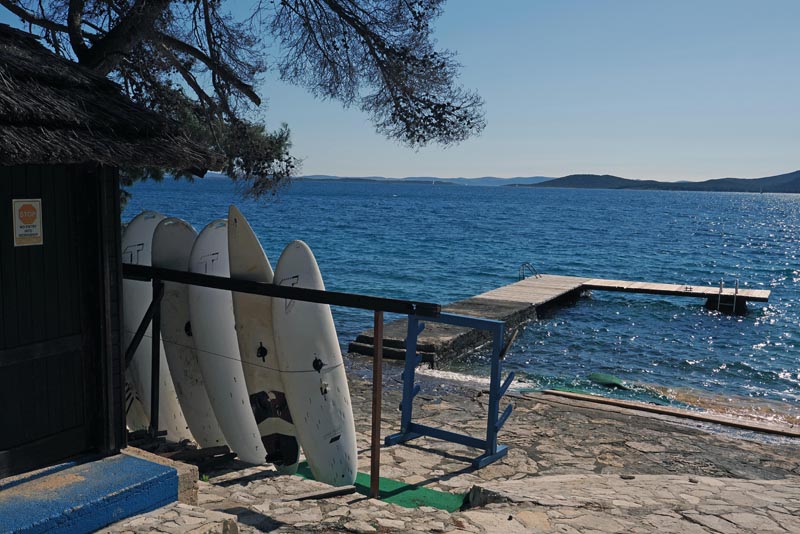
Back in the 1960s, the French company opened a resort with straw-roofed huts set within a deep sandy bay surrounded by pine forest.
It was a moment that transformed the town forever.
Local residents gained new employment opportunities, many travelled and worked in Club Med resorts around the world, while new cultures, languages and customs began arriving in Pakoštane.
(Photo: Nikola Zoko)
Some of the town’s most fascinating life stories were born during this period, brides arriving from Morocco, Greece, Egypt, Chad and Madagascar, whose descendants continue to shape the multicultural atmosphere of this small Dalmatian community today.
The former Club Med resort has since evolved into Pine Beach Resort Pakoštane, now one of Croatia’s best-known family holiday resorts. Located within a dense pine forest beside one of the Adriatic’s most beautiful sandy beaches, the resort embraces a relaxed, eco-friendly concept.
Rather than traditional hotel rooms, guests stay in rustic bungalows built from natural materials such as reed and wood. Some accommodation intentionally excludes televisions in order to encourage a return to nature, peace and a holiday free from digital distractions.
(Photo: Nikola Zoko)
An Oriental Story in the Heart of Dalmatia
Not far from Pakoštane lies one of the most fascinating sites in Croatian history, Maškovića Han in Vrana, the westernmost example of secular Ottoman architecture in Europe.
What makes this place truly remarkable is not only its architecture, but also the extraordinary story of Jusuf Mašković. Born into a poor family in Vrana, he rose to become admiral of the Ottoman fleet and one of the most powerful men in the Ottoman Empire.
At the height of his power, he decided to build a monumental han in his hometown, but political intrigue prevented his dream from ever being fully completed.
Today, the restored Maškovića Han enjoys a new life as a heritage hotel and gastronomic destination where oriental history meets the Dalmatian lifestyle. A particular highlight is Restaurant TIMAR, located within the former mosque area, where Dalmatian and oriental cuisines blend together.
Dining within the stone walls of the han or on its hidden terraces with a glass of local wine is an experience that often leaves visitors saying they discovered an entirely different side of Dalmatia in Vrana.
In recent years, Pakoštane has also become increasingly attractive to food lovers. The scent of fritule pastries, homemade flatbreads, brudet seafood stew, grilled dishes, fresh fish and traditional Dalmatian cuisine drifts through its stone streets.
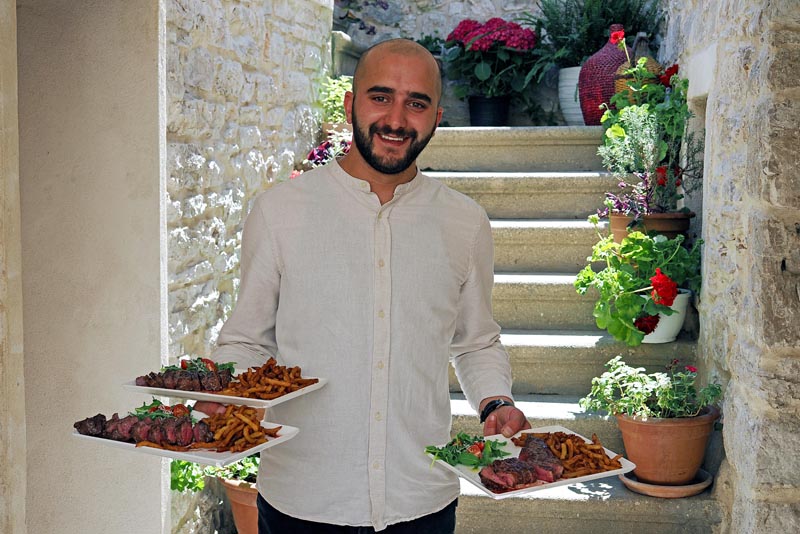
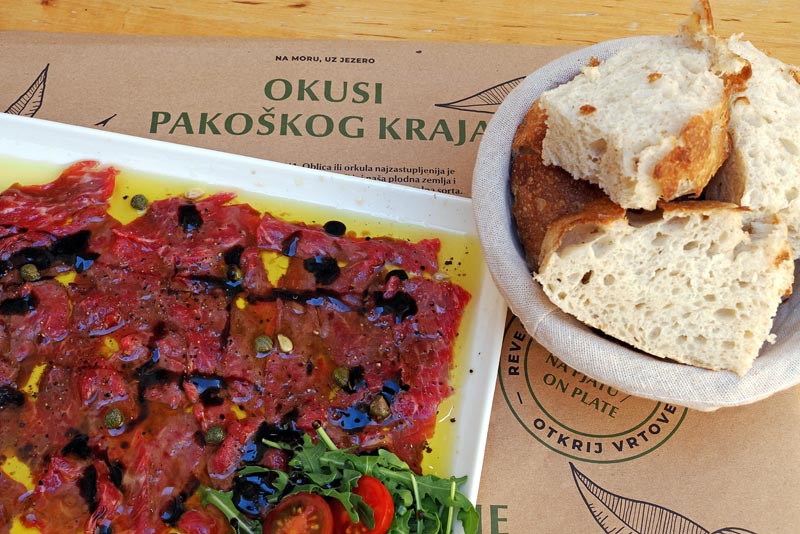
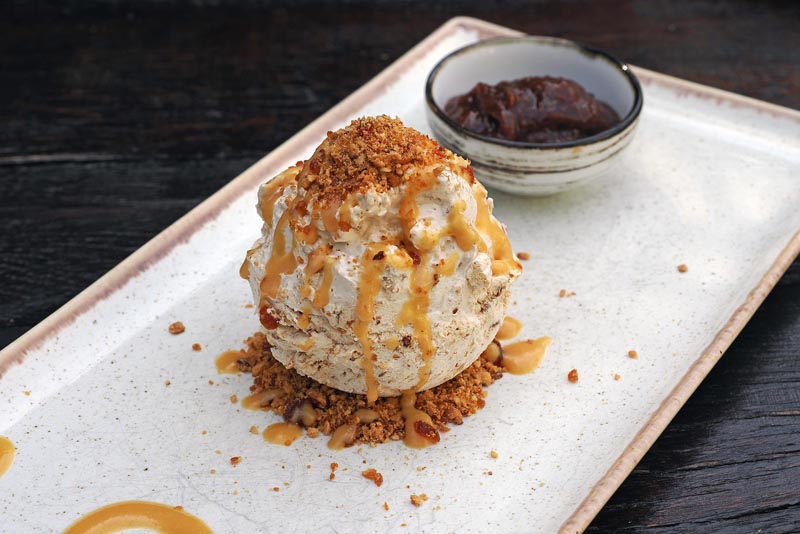
One venue that has particularly stood out is Parparot, a contemporary restaurant known for premium steaks and dinners beneath the stars.
(Photo: Nikola Zoko)
(Photo: Nikola Zoko)
Its elegant atmosphere and modern gastronomic approach have made it one of the area’s most sought-after evening destinations.
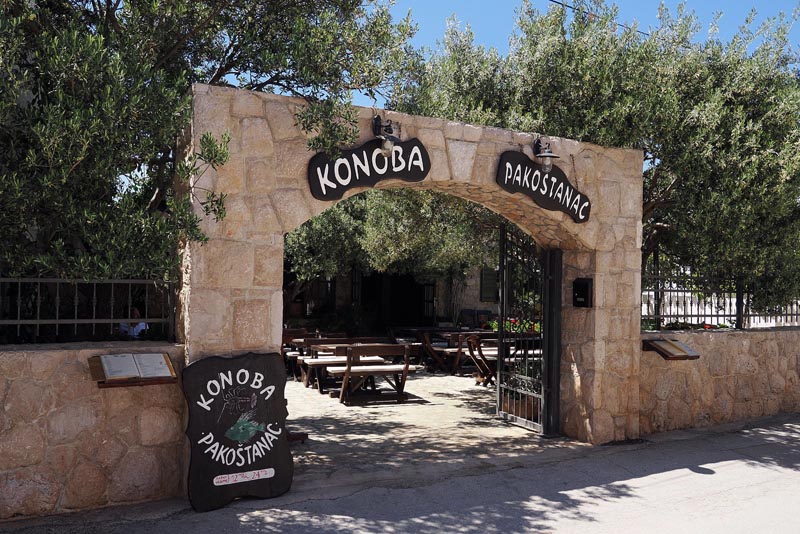
For lovers of traditional seafood specialities, Konoba Pakoštanac remains a favourite among both locals and visitors. Fresh Adriatic fish, squid, shellfish and simple Dalmatian flavours continue to take centre stage here.
(Photo: Nikola Zoko)
What truly sets Pakoštane apart from many other destinations, however, is not only its landscapes or gastronomy, but its people.
In an old stone tavern in the centre of town, visitors will find OPG Šarin, where the ever-smiling Tonka welcomes guests with stories about local life, farming traditions and homemade products.
Guests are treated to homemade liqueurs, juices and produce from the surrounding fields, but above all to a genuine sense of hospitality that cannot be imitated.
(Photo: Nikola Zoko)
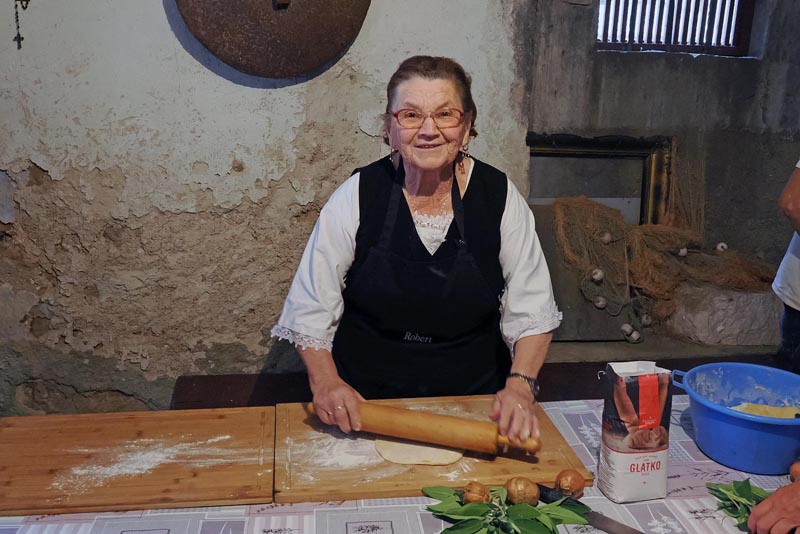
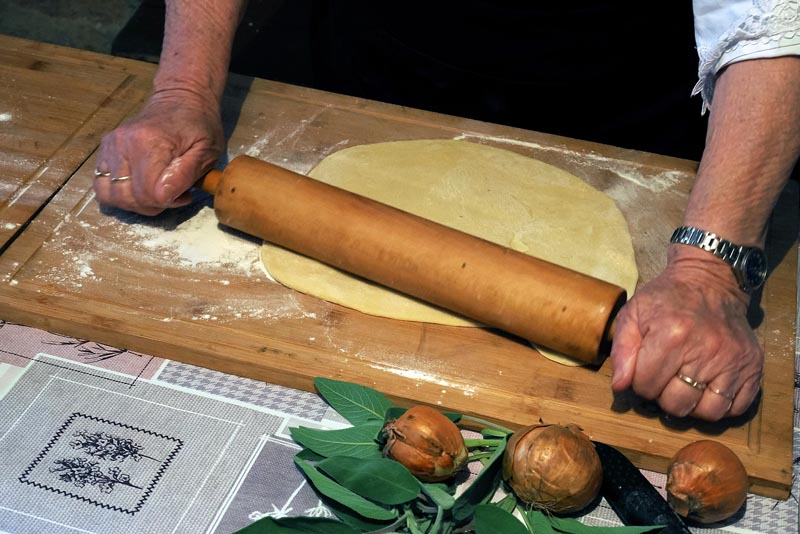
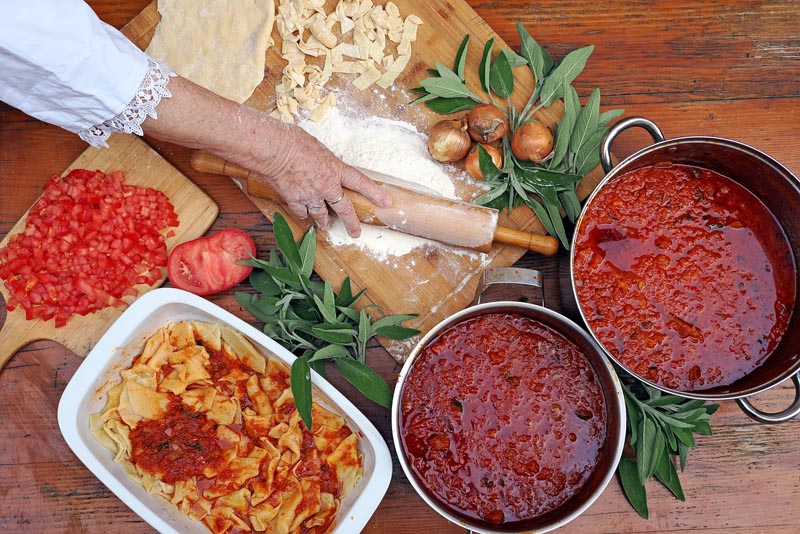
Another memorable experience is the “Iz Babine Kužine” event, along with homemade pasta workshops led by Baba Ana and her team in the oldest tavern in Pakoštane.
As traditional pasta is kneaded and rich tomato sauce slowly cooks, the room fills with the aromas of childhood, laughter and stories shared by local residents.
(Photo: Nikola Zoko)
(Photo: Nikola Zoko)
(Photo: Nikola Zoko)
And after a good meal, there is often time for a game of briškula or trešeta with the locals, who quickly make visitors feel like part of the community and encourage them to return again.
Because Pakoštane is not simply a summer destination.
It is a place that reminds visitors what the Mediterranean once was, slow, warm, authentic and filled with people who still have time for conversation, a smile and a story.