
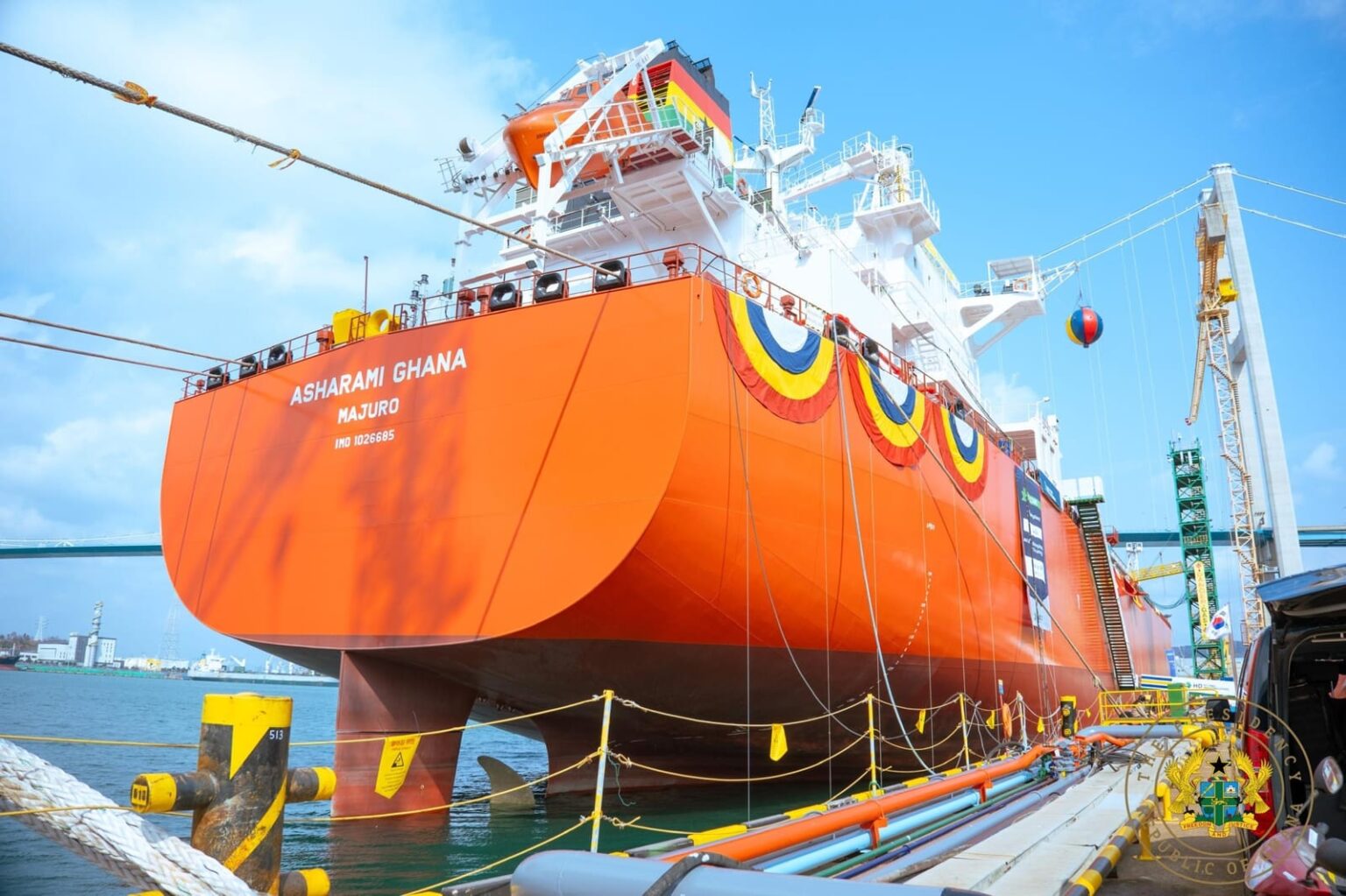
South Korea’s approach in Africa has often looked inland for opportunities in minerals, infrastructure, manufacturing, digital government, and development finance. That is understandable. Africa is central to the future of critical minerals, industrial growth and new consumer markets. Korea, with its batteries, semiconductors, cars and infrastructure firms, has every reason to pay attention.
But Seoul’s next serious opening in Africa may not be found down a mine, in a factory or on a highway project. It may be found at sea.
When Kenya hosts the 11th Our Ocean Conference in Mombasa from 16–18 June, South Korea will have a chance to do more than continue the maritime governance argument it began in Busan last year. It can use Kenya as a test case for something larger: an Africa strategy built not only around capital investments but fisheries governance, port connectivity and cleaner maritime commerce.
That would be good for Kenya. It would also be good for South Korea.
Kenya is not a random venue. Mombasa is one of Africa’s most important Indian Ocean gateways, and Nairobi has placed the blue economy at the centre of its development agenda – complete with a dedicated Ministry of Mining, Blue Economy and Maritime Affairs. The bilateral foundation is already there: 60 years of diplomatic relations, signed MOUs on fisheries and maritime cooperation, and an Economic Development Cooperation Fund loan ceiling raised to $1 billion for 2022–26, and Nairobi actively seeking deeper cooperation with Seoul.
Countries in Africa are looking for partners who can solve practical problems without turning every partnership into a loyalty test.
In other words, the pieces are already there. What is missing is a story big enough to connect them. That story could – and should – be maritime partnership.
For Seoul, this matters because Korea cannot outspend China in Africa. Nor should it try. Beijing’s Belt and Road Initiative has invested for years building ports, roads, railways and political familiarity across the continent. Korea’s comparative advantage is different. It sits in the unglamorous but increasingly valuable space between infrastructure and governance: shipbuilding, digital traceability, training, standards and development finance that can be tied to practical institutional capacity.
That may sound less dramatic than a new railway. But in the next phase of Africa’s blue economy, it may matter just as much.
Fisheries governance shows why. Illegal, unreported and unregulated fishing is no longer a narrow conservation issue. It influences market access, labour standards, food security and maritime security. Coastal states lose revenue, local fishing communities lose livelihoods, and consumers lose confidence in what they are buying. Governments lose visibility over what is happening in their own waters.
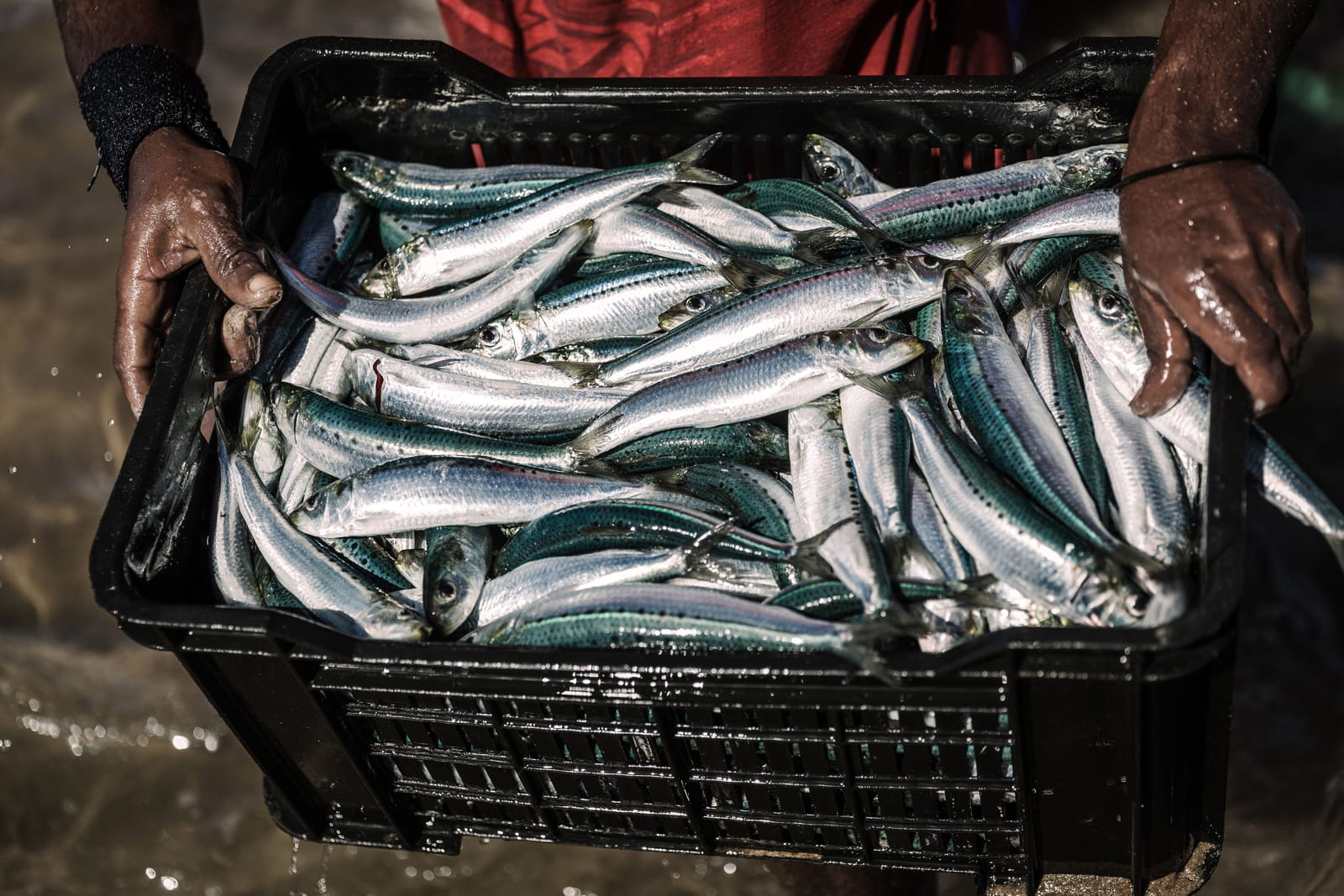
A fisherman carries a fresh crate of sardines at the Amanzimtoti beach, south of Durban, South Africa (Rajesh Jantilal/AFP via Getty Images)
This is exactly where Korea and Kenya could do something useful together. Korea should arrive in Mombasa with more than a speech about ocean protection. It should propose a compact but serious maritime cooperation package with Kenya: support for fisheries monitoring and traceability, training for fisheries inspectors and port officials, digital tools for seafood supply chain transparency, cooperation on fish processing and cold chain systems, and joint work on responsible port-state measures.
Handled well, this would do three things at once. First, it would help Kenya turn the Our Ocean Conference from a diplomatic event into a platform for durable blue economy partnerships. Hosting a global conference is useful. Turning them into institutional capacity is better.
Second, it would give Korea a dedicated Africa lane. Since the 2024 Korea-Africa Summit, Seoul has promised more export financing and deeper economic engagement with the continent. Korea pledged to expand ODA to Africa up to $10 billion by 2030 and provide around $14 billion in export financing for Korean companies. Those are serious numbers. But money alone does not create strategic identity. Korea needs a clearer proposition. Maritime governance could provide one.
Third, it would show that Korea’s middle power diplomacy can travel beyond Northeast Asia. Too often, Seoul’s global role is described through the language of alliances, chips, batteries and deterrence. As much as those issues matter, countries in Africa are not waiting for another lecture on the rules-based order. They are looking for partners who can solve practical problems without turning every partnership into a loyalty test.
That is where Korea has an opening. A Busan-to-Mombasa maritime partnership would not ask Kenya to choose between China, the West and everyone else. It would offer something more useful: capacity, technology and standards that help Kenya strengthen its own blue economy.
The timing is unusually good. Kenya is taking the baton from South Korea as host of the Our Ocean Conference. Korea last year hosted the same forum in Busan, a city it is trying to elevate as a maritime policy hub. Mombasa is a coastal city with its own regional weight. The symbolism writes itself. Busan and Mombasa are not just venues. They can become anchors for a wider maritime partnership.
For the Lee Jae-myung administration, this would also fit the logic of pragmatic diplomacy. Korea does not need to present itself as Africa’s new great power patron, but to simply identify a space where Korean capabilities match African priorities and then execute consistently.
If Seoul wants to improve its standing in Africa, it should resist the temptation to think only in terms of scale. China has scale. Others have historical networks, security footprints or deeper pockets. Korea’s path is narrower but still powerful: become the partner that helps coastal states build cleaner, more credible and more resilient maritime systems. Mombasa gives Korea the chance to begin.