
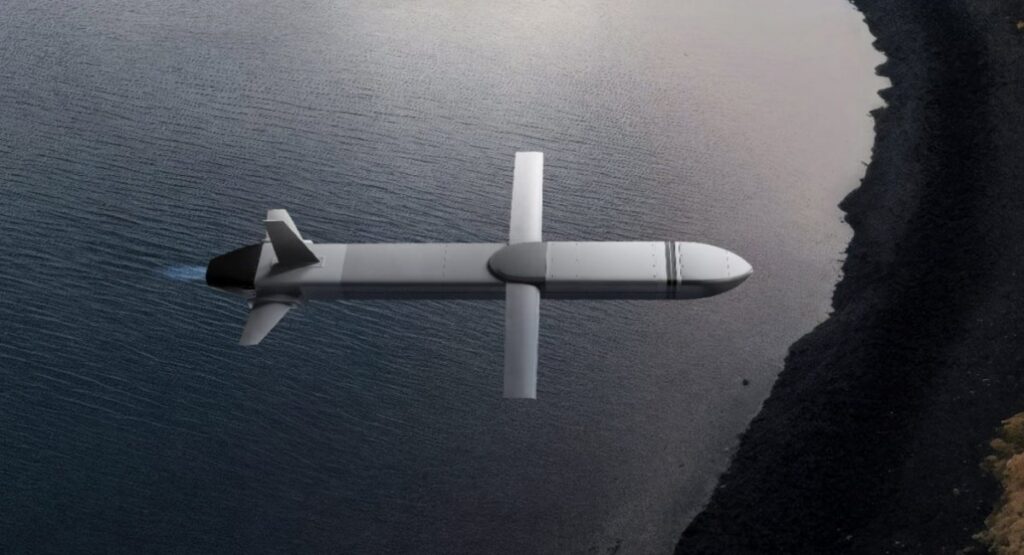
South Korea continues to deny Ukraine access to KM-SAM II air defense system despite expanding exports of the interceptor to conflict-prone Middle Eastern states, raising renewed questions about Seoul’s arms export policy. Reports indicate that Qatar and Kuwait may soon join the growing list of the KM-SAM II operators, even as Ukraine’s repeated requests for the anti-ballistic system have reportedly been rejected due to the ongoing war with russia.
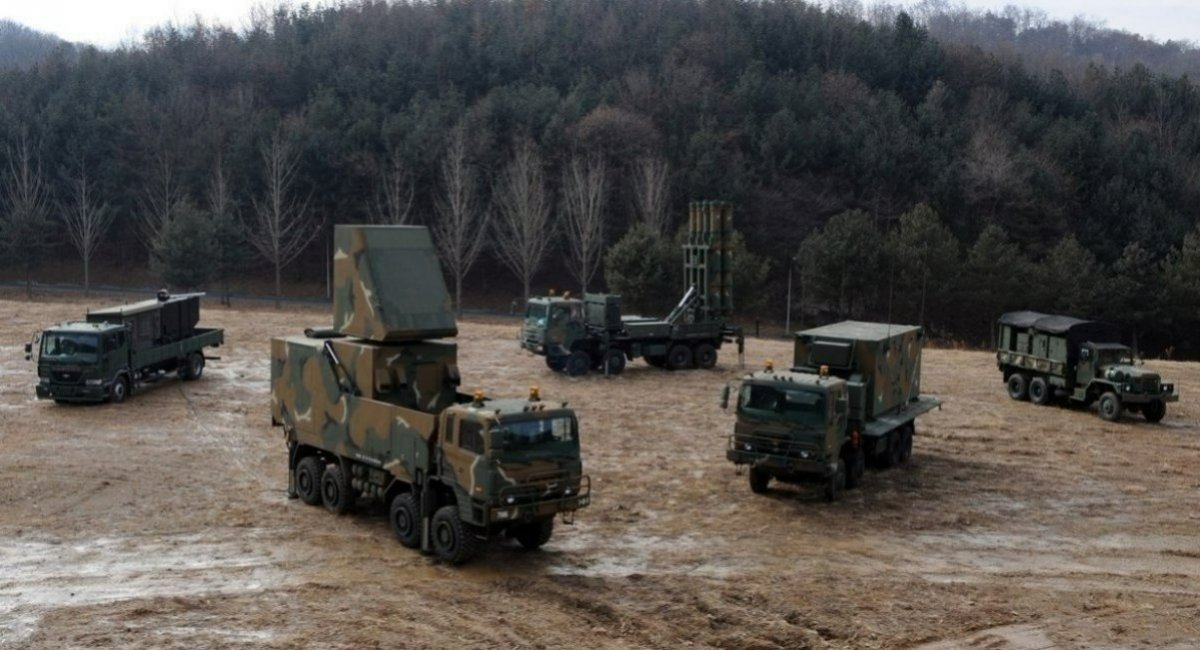 The Cheongung II (KM-SAM II) air defense system / open sourceU.S. Conducts Exercises 20 km From Belarus Border Following Losses in Iran
The U.S. Army has conducted counter-drone training exercises just 20 kilometers from the Belarusian border, signaling growing concern over modern battlefield threats following reported American equipment losses during operations in Iran. The drills focused on detecting and neutralizing aerial threats using both visual and acoustic methods, while also integrating more than 50 technologies into a unified counter-UAV network, an approach shaped in part by lessons learned from Ukraine’s battlefield experience.
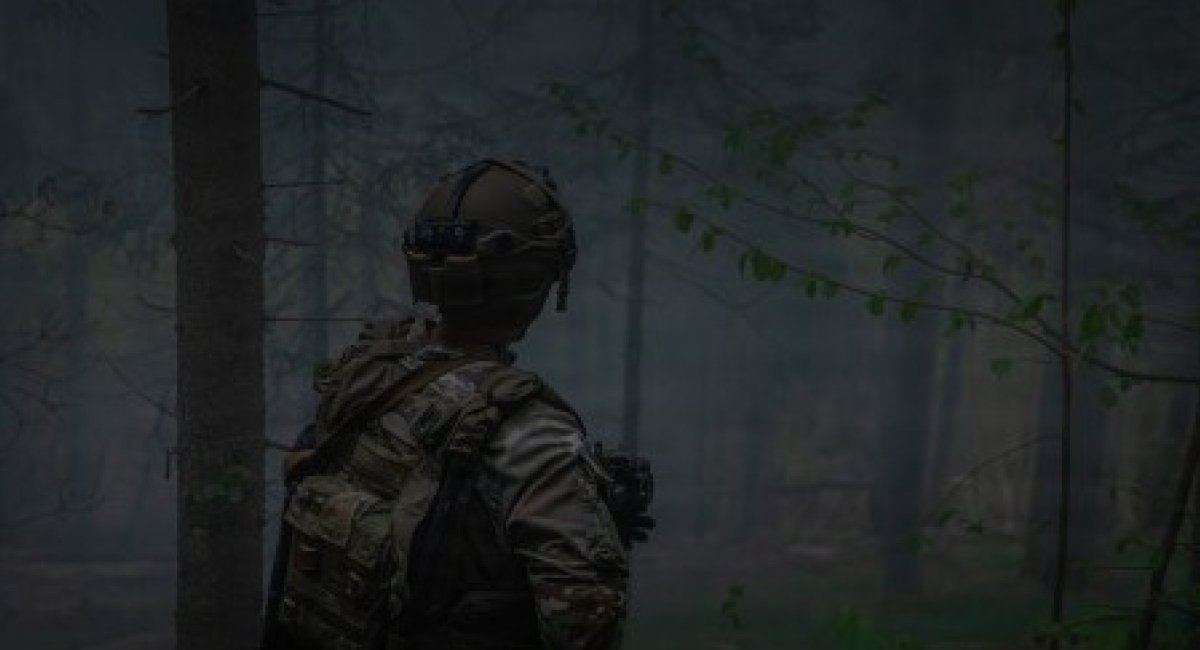 Illustrative image / Photo credit: U.S. ArmyUkrainian UB82D Drones with 25-km Range Give 82 mm Mortar Rounds a New Lease on Life
Ukraine’s defense industry continues adapting existing ammunition stockpiles into modern strike systems, with the newly approved UB82D FPV drone integrating an 82 mm mortar round into a compact unmanned platform capable of striking targets at ranges up to 25 kilometers. Developed by Ukrainian Armor, the drone reflects a broader trend in Ukraine’s wartime innovation cycle, where conventional munitions are repurposed into rapidly deployable precision strike assets designed for mass production and simplified frontline use.
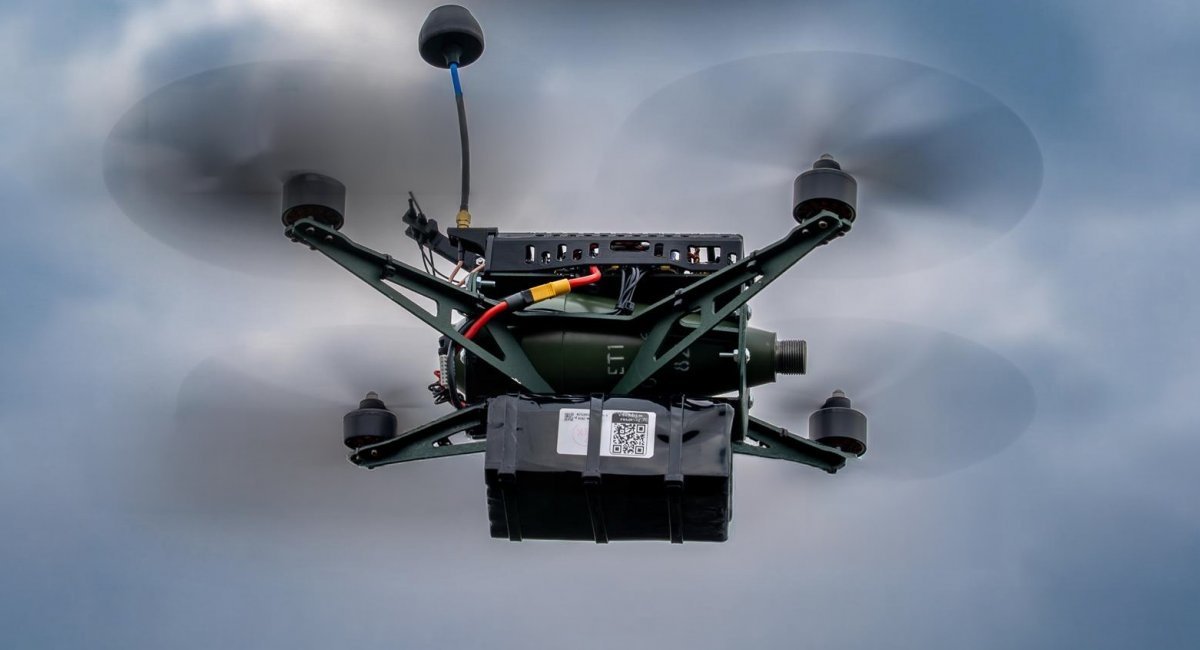 The UB82D FPV drone from Ukrainian Armor / Photo credit: Ukrainian ArmorNorth Korea Is Building New Submarines Using russian Technology, Prompting South Korea to Significantly Expand Its MH-60R Helicopter Fleet
North Korea’s expanding submarine program is reportedly benefiting from russian technological assistance, prompting South Korea to accelerate efforts to strengthen its anti-submarine warfare capabilities through a major expansion of its MH-60R Seahawk helicopter fleet. The development reflects growing regional concern over Pyongyang’s underwater strike potential, particularly as military cooperation between North Korea and russia appears to deepen amid broader geopolitical tensions.
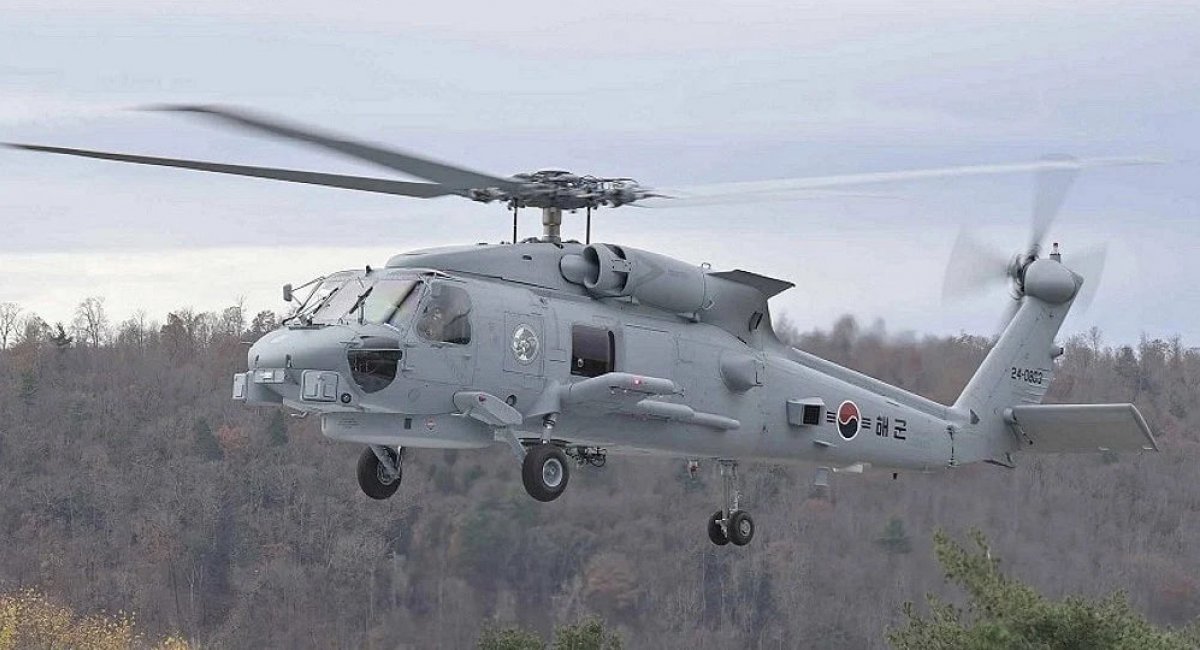 South Korea’s MH-60R anti-submarine helicopter / Photo credit: DAPAUkraine to Receive Mass-Produced, Low-Cost 2,000-km Tomahawk Analog Through New Ruta Missile Variant
Ukraine could soon field a low-cost long-range cruise missile capable of striking targets up to 2,000 kilometers away, as new Ruta Block 3 system moves toward development and future testing in Ukraine. Developed by Dutch company Destinus in cooperation with Rheinmetall, the missile is positioned as a mass-produced European alternative to systems like the Tomahawk, combining extended range, containerized launch capability, and satellite-independent navigation into a platform designed for large-scale production rather than limited inventories.
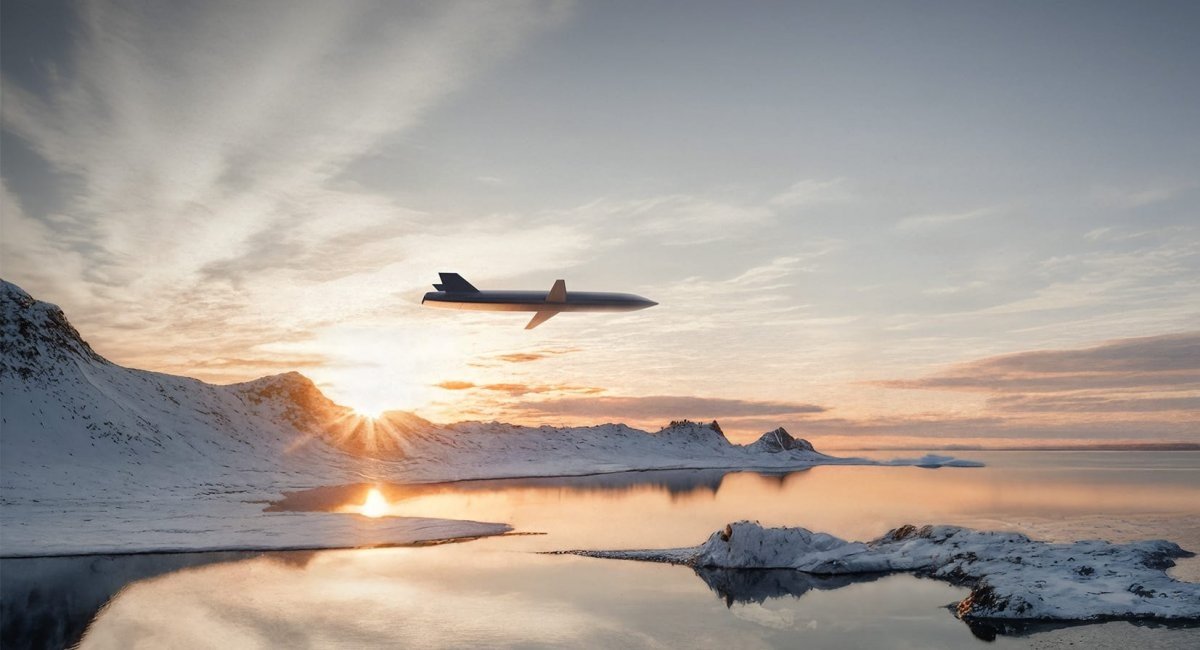 The Ruta Block 2 system / Photo credit: Destinus