
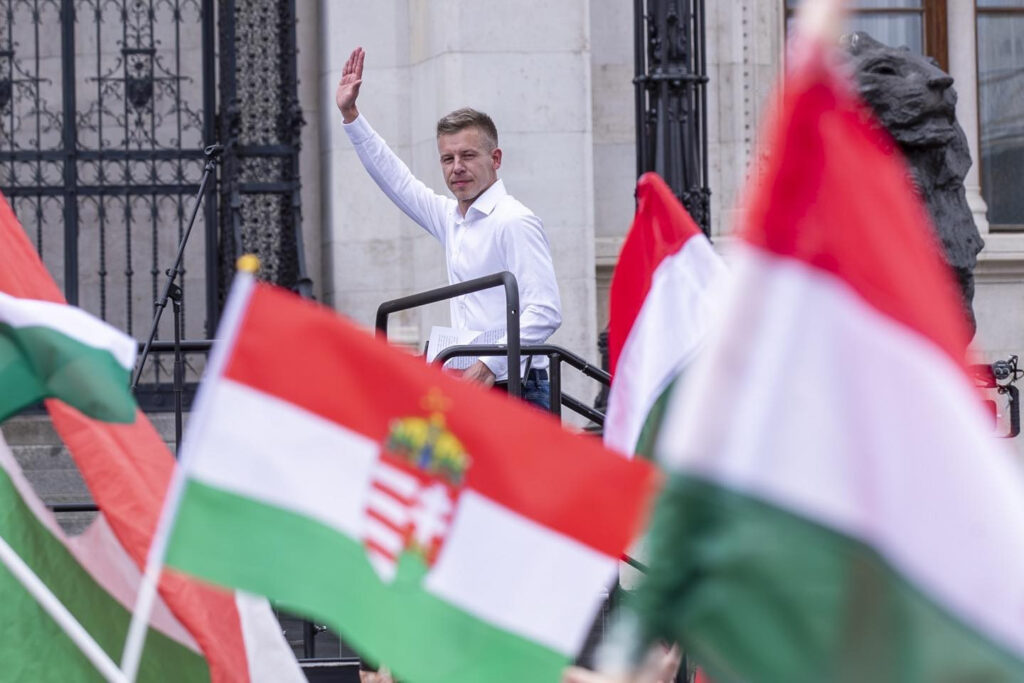
Hungarian prime minister Péter Magyar is expected in Brussels this week, seeking to reach an agreement with the EU Commission on unlocking €10.4bn in recovery funds that were frozen over the rule-of-law breaches during the previous government of Viktor Orbán.
“Both sides will do everything they can to ensure that next week, when I travel to Brussels, we can sign the political agreement between the Hungarian government and the European Commission, which will allow us to conclude all issues by 31 August, despite the hard work and work throughout the summer,” Magyar told reporters in Budapest last week.
“The 31 August deadline may not seem like such a short time, but there is a lot to do. Not only do we have to amend and agree on laws, but we also have to transform institutional systems,” he also said.
To get Brussels to sign off, the new government must satisfy a checklist of 27 so-called “super milestones” established by the European Commission, which includes restoring complete judicial independence and implementing strict anti-corruption measures.
Last week, Magyar’s Tisza party, which enjoys a powerful 71 percent supermajority in parliament, submitted its first major constitutional amendment, limiting the job of prime minister to an eight-year term and seeking to take over 34 controversial “public interest asset management foundations” created by the previous government.
These foundations currently control massive state assets, including 21 national universities, which had previously disqualified Hungarian students and researchers from EU programmes like Erasmus.
Separate from the recovery funds, €6.3m cohesion funds designed to support regional development were also frozen under the EU’s rule-of-law conditionality mechanism.
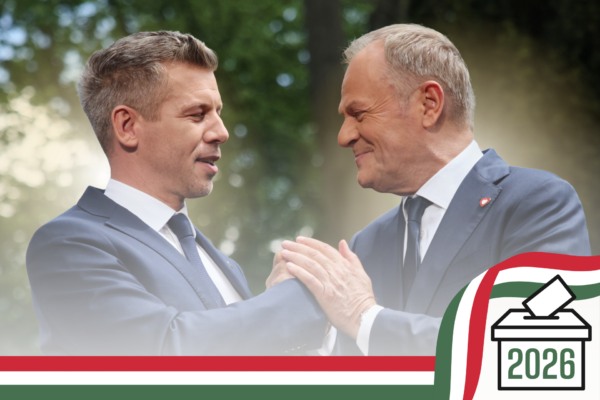
Talks with Russia?
EU foreign affairs ministers will be in Lemesos, Cyprus, for an informal meeting on Wednesday and Thursday (27 and 28 May).
The agenda will focus on the implications of the US-Israel war on Iran, particularly the need to ensure safe maritime trade routes, and Russia’s ongoing aggression against Ukraine and long-term European defence funding.
Discussions on Russia come as momentum gathers to reopen formal channels with Moscow, and with EU governments discussing who could represent the bloc in potential negotiations with Vladimir Putin. Former European Central Bank president Mario Draghi or ex-chancellor of Germany Angela Merkel have been floated as potential candidates for the job.
On Tuesday, ministers in charge of EU affairs will gather in Brussels to discuss the next EU long-term budget and relations with the UK, ahead of an upcoming EU-UK summit – which still needs to be formally scheduled.
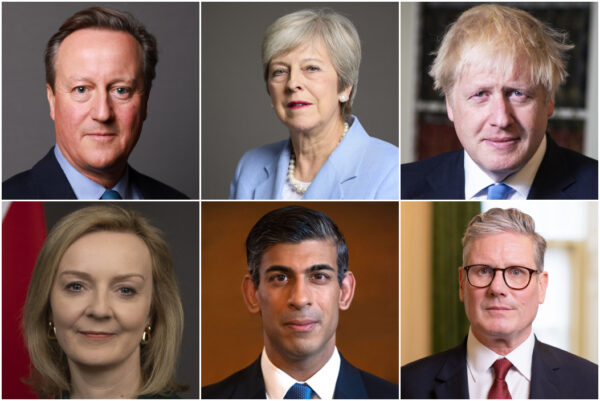
On the agenda will also be the preparation for the European Council later in July, where EU leaders are expected to focus on the EU budget, enlargement and external affairs.
Before Ireland takes over on 1 July, the Cyprus EU Council presidency is expected to deliver the first draft of the EU’s next long-term framework —finally putting hard numbers on the table for member states to debate.
Humanitarian aid
On Wednesday, the European Commission is expected to present a new strategy on humanitarian aid.
EU foreign policy chief Kaja Kallas recently said that in the future, EU aid money will probably go mainly to European companies, and countries that support Russia or Iran may not receive that funding.

Official development assistance (ODA) fell to $174.3bn [€150bn] in 2025 – a 23 percent drop – according to data published in April by the Paris-based Organisation for Economic Cooperation and Development (OECD).
The drop was driven by a 56.9 percent cut in US aid spending, but aid from the EU also fell to its lowest level since 2017.
Meanwhile, the Council of Economic Experts will present its assessment of the German economy on Wednesday, as concerns deepen over the country’s weak outlook. The EU has already cut its 2026 growth forecast for Germany to 0.6 percent.