
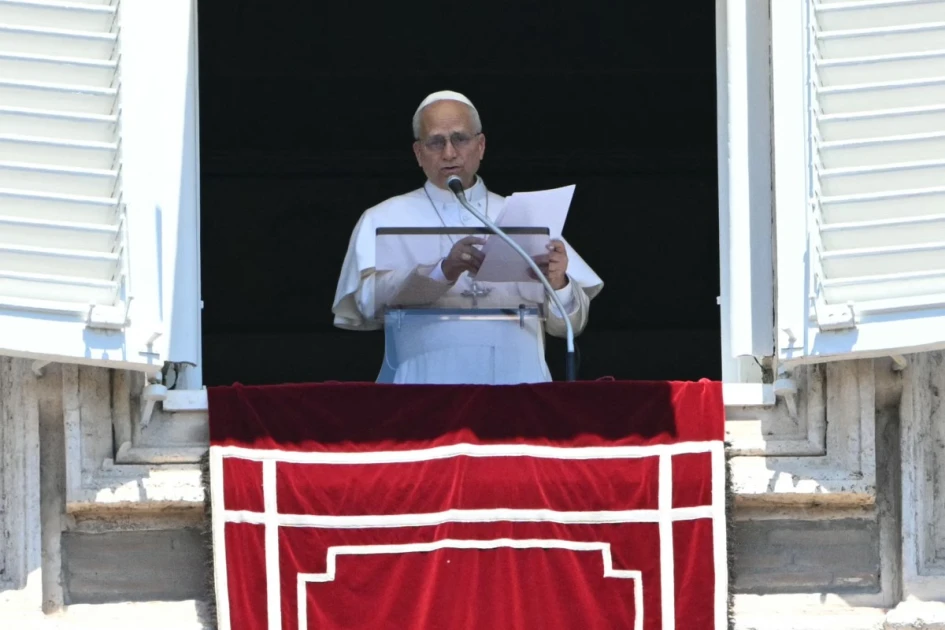
In a historic convergence of ancient theology and bleeding-edge technology, Pope Leo XIV is set to release a sweeping, unprecedented manifesto detailing the Vatican’s definitive moral stance on the proliferation of Artificial Intelligence.
Slated for global publication on Monday, May 25, 2026, the highly anticipated encyclical, formally titled “Magnifica Humanitas” (Magnificent Humanity), represents the most aggressive intervention by the Holy See into the digital realm to date. As algorithmic systems increasingly dictate global financial markets, military targeting protocols, and deeply personal social interactions, the pontiff is attempting to establish a rigid ethical boundary against technological absolutism. The document signals a profound recognition that the unchecked acceleration of machine learning poses an existential threat not merely to labor markets, but to the fundamental definition of human dignity.
The Architecture of Magnifica Humanitas
Vatican insiders indicate that “Magnifica Humanitas” departs significantly from the cautious, generalized warnings issued by the Church in previous years. Instead, it offers a highly technical, robust critique of the specific architectures governing modern artificial intelligence. The manifesto explicitly addresses the inherent biases programmed into large language models, the erosion of cognitive autonomy, and the terrifying realities of autonomous weapons systems currently deployed in global conflict zones.
Pope Leo XIV, who has consistently warned against the “dictatorship of algorithms” since his ascension to the papacy, utilizes the encyclical to argue that technology must remain strictly subordinate to human flourishing. By categorizing certain AI applications as fundamentally misaligned with the sanctity of life, the Church is attempting to forge a universal ethical framework that transcends national borders and corporate proprietary interests. The document is essentially a demand for severe regulatory oversight grounded in human rights.
Quantifying the Algorithmic Threat
The Vatican’s intervention arrives at a moment when the metrics surrounding AI deployment demonstrate an industry operating almost entirely outside democratic control:
- Global investment in generative AI and autonomous systems is projected to surpass $300 billion (approximately KES 39 trillion) by the end of 2026, driven heavily by opaque defense contracts.
- Labor economists warn that without structural interventions, algorithmic automation could displace upwards of 300 million full-time jobs globally within the next decade, devastating emerging economies.
- Cybersecurity analytics report a 400 percent year-on-year increase in sophisticated, AI-driven disinformation campaigns explicitly designed to destabilize democratic electoral processes.
- Human rights observers have documented over fifty instances in the past year where autonomous military drones utilized targeting algorithms operating with zero human oversight.
These data points provide the empirical foundation for the Pope’s urgency, demonstrating that the theoretical risks of artificial intelligence have rapidly mutated into tangible, ongoing crises.
Bridging the Global and the Local
While the encyclical originates in Rome, its implications resonate deeply within the rapidly expanding tech ecosystems of the Global South. In Nairobi, widely recognized as the “Silicon Savannah,” technology developers and regulatory bodies face intense pressure to balance aggressive digital innovation with ethical safeguards. African tech workers have frequently been exploited as underpaid data labelers, subjected to horrific psychological trauma while filtering toxic content to sanitize Western AI models.
The Pope’s manifesto provides vital moral ammunition for lawmakers in Kenya and across the African continent who are currently drafting data protection and AI governance legislation. By framing the exploitation of digital labor and the algorithmic redlining of developing nations as profound moral failures, “Magnifica Humanitas” challenges the neocolonial dynamics of the global tech industry. It demands that the benefits of technological advancement be distributed equitably, rather than hoarded by a handful of mega-corporations located in Silicon Valley.
A New Frontier for Papal Authority
Historically, the papacy has intervened during moments of profound civilizational shifts—from the Industrial Revolution to the advent of nuclear weaponry. With “Magnifica Humanitas,” Pope Leo XIV asserts that the development of artificial general intelligence represents a similar, species-altering threshold. The encyclical challenges the tech industry’s prevailing philosophy of “move fast and break things,” arguing that when the things being broken are human cognition, social cohesion, and mortal life, the velocity of innovation must be forcibly halted.
As the document circulates through global corridors of power, from the United Nations in Geneva to the boardrooms of tech titans, it forces a critical reckoning. The Vatican has drawn a definitive line in the digital sand, insisting that the future of humanity must not be surrendered to the cold logic of the machine.