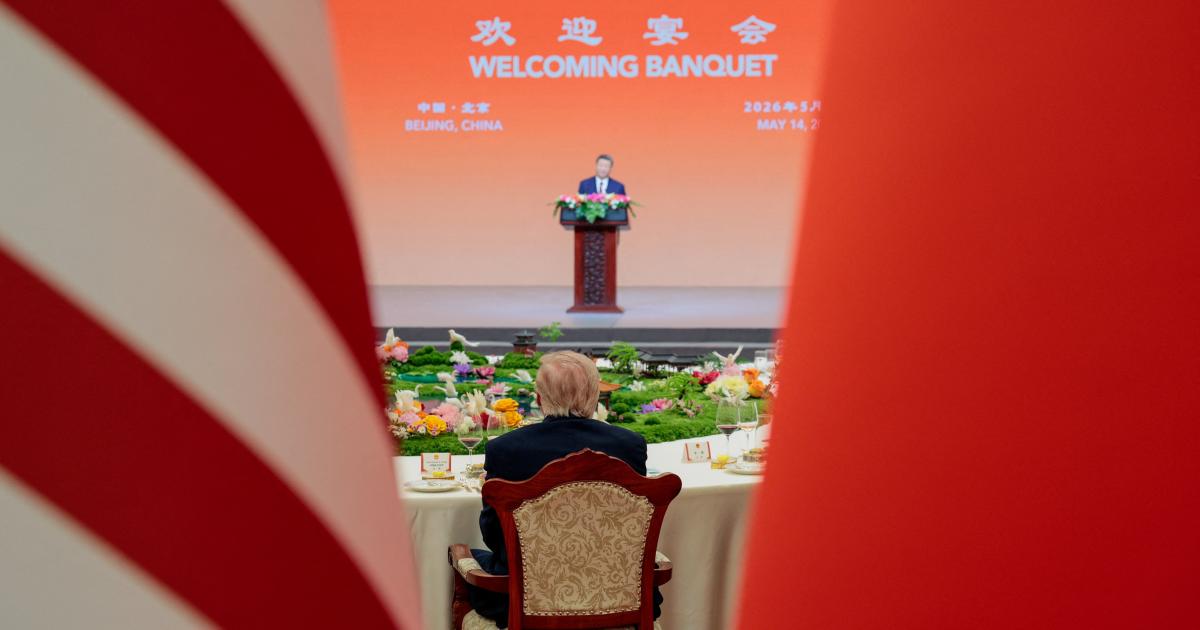
The Middle Power Delusion: Not Choosing Is Not an Option
https://www.foreignaffairs.com/united-states/middle-power-delusion

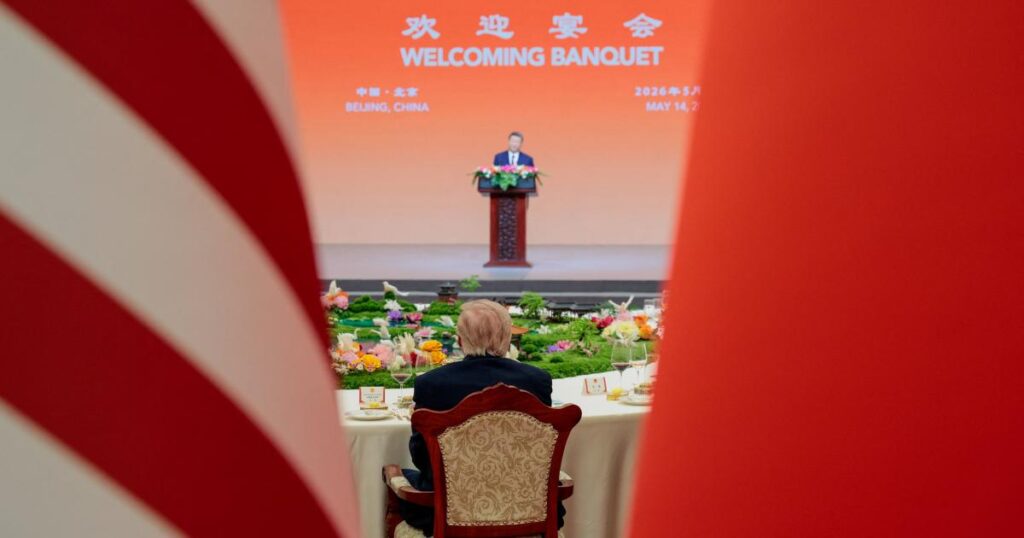
The Middle Power Delusion: Not Choosing Is Not an Option
https://www.foreignaffairs.com/united-states/middle-power-delusion
2 Comments
Michael Beckley argues that the apparent rise of “middle powers” is misleading: countries like India, Brazil, Turkey and even Europe are not becoming stronger, but more exposed as US-China rivalry intensifies.
He says the post-Cold War order let midsized states prosper under American security guarantees and globalisation without choosing sides. That world is fading as growth slows, supply chains become geopolitical weapons, and both Washington and Beijing use coercion through tariffs, sanctions and technology controls.
Beckley rejects the idea of a truly multipolar world. Coalitions such as BRICS, ASEAN or European “strategic autonomy” lack cohesion and scale, while the US and China dominate finance, technology, industry and military power.
His conclusion is that middle powers will increasingly have to align with one bloc rather than hedge between both. Despite its flaws, he argues most will still choose the US over China because it offers stronger security, markets, technology and alliances.
>Nor can most states simply float between the United States and China, buying security from one, goods from the other, and market access from both. As rivalry hardens, hedging will start to look like betrayal. Washington and Beijing will make states show where they stand by restricting technology, rerouting supply chains, withholding intelligence, blocking investment, raising tariffs, or threatening military reprisals.
US has been clear that they do not wish to sell security anymore. They have been raising tarriffs and threatning military reprisals to those countriea that chose Amerca.
Choosing America is not an option anymore because it means increasing depedency and American leader will use that depedency to coerse bribes, awards, other favors and territorial gains