Ukraine just made itself impossible to abandon
https://readuncut.com/ukraine-just-made-itself-impossible-to-abandon/

Ukraine just made itself impossible to abandon
https://readuncut.com/ukraine-just-made-itself-impossible-to-abandon/
4 Comments
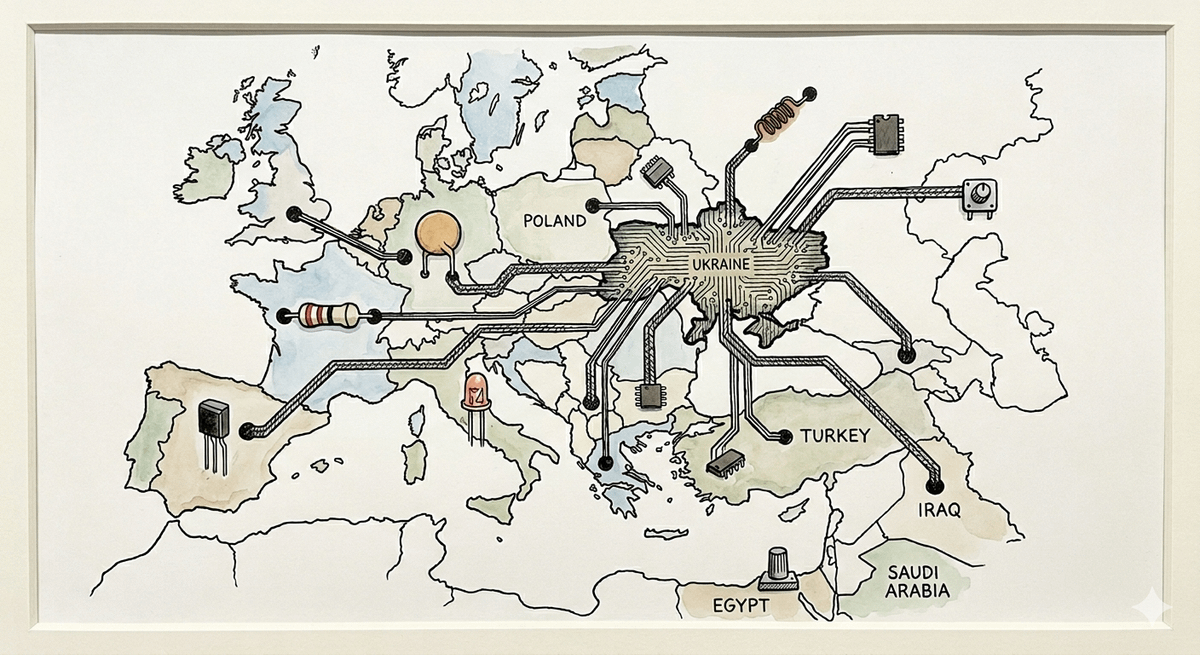
This article examines Ukraine’s emerging defense export strategy as a case study in alliance-building outside formal treaty architecture. Rather than framing Ukraine purely as an aid recipient, the piece argues that Kyiv is constructing a network of bilateral industrial dependencies. designed so that severance costs for partner nations exceed maintenance costs.
The analysis draws a direct comparison to Israel’s post-1967 defense diplomacy, where arms exports created structural relationships that survived changes in political leadership across buyer nations. The key difference the article identifies is compression –> Israel built this architecture over 40+ years atop an existing American security guarantee, while Ukraine is attempting it in roughly four years without one.
What makes this geopolitically significant beyond the Ukraine-Russia context is the potential precedent. If this model proves durable, it offers a template for states that cannot secure formal alliance membership or security guarantees.
I’m not sure it hits everything but this is a different take that I haven’t really read much, and raises some novel and interesting takes in Ukraines strategy, especially when you examine it through the lens that Ukraine will want to make sure any peace guarantee is for life not just a brief repreive.
Read this yesterday, it’s very in-depth and reflects the value of Ukrainian innovation, adaptation and refining of weapons and tactics under duress, and the lessons (and technology) benefit to their defense partners.
Good post
This article was written by AI.
In any case, I wonder what Ukraine’s moat is. Drone tech is relatively simple, and the US is already competitive (sometimes ahead) on intercept cost. The ME should have ordered cheap interceptors (from US, Ukraine, etc.) before the war so they didn’t have to launch patriots at everything.
It’s great Ukraine already has the manufacturing capacity set up during a period of high demand tho.