
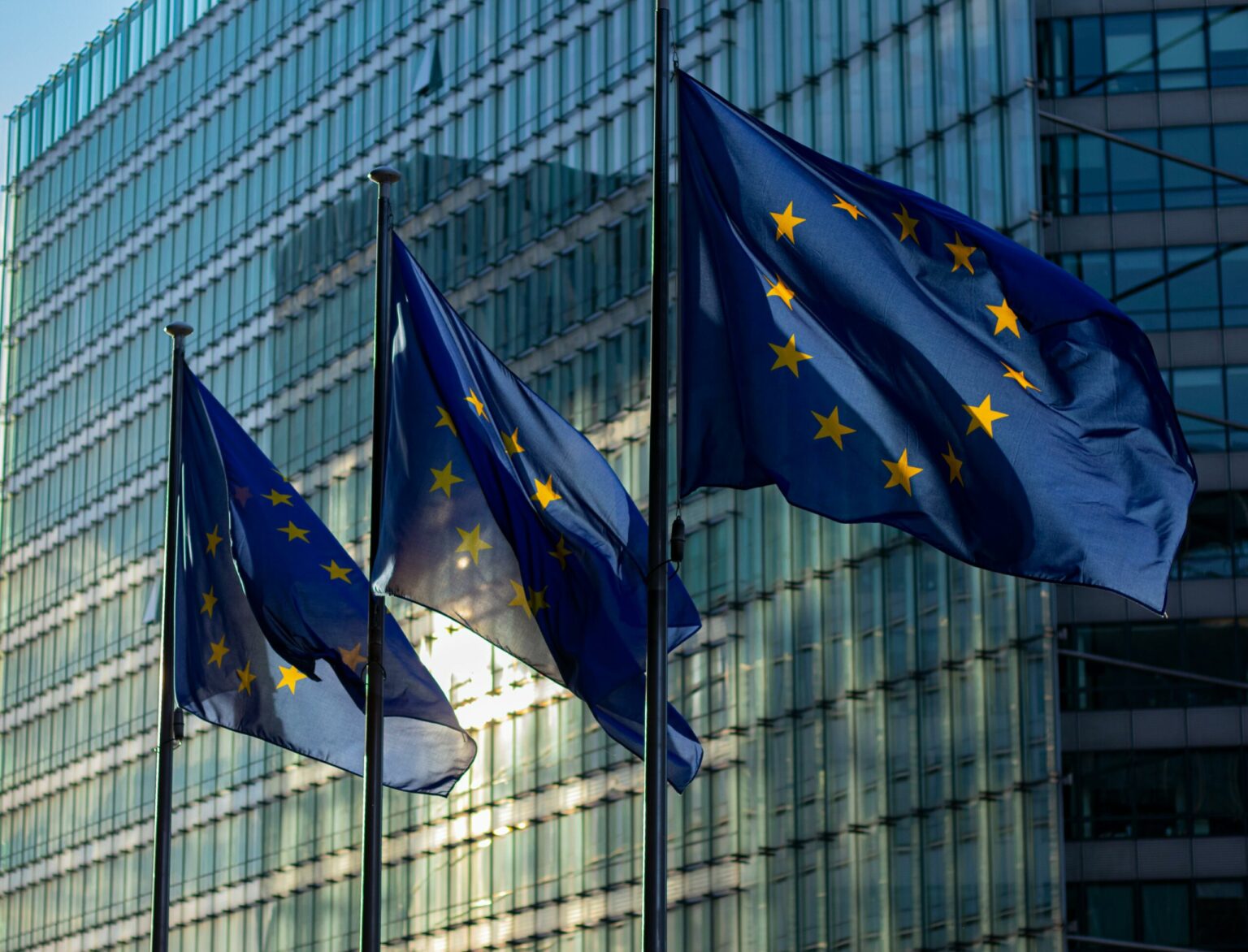
The European Commission made 49 million euros available to Albania on Wednesday, May 20, 44,2 million euros Montenegro and 65,7 million euros to North Macedonia under the Instrument for Reforms and Growth, colloquially known as Growth plan for the Western Balkans.
Unlike Albania, Montenegro and North Macedonia, which fulfilled the requirements for this tranche, Serbia and Bosnia and Herzegovina were left out in this round because they have not yet fully fulfilled the reform steps that were taken as a prerequisite for the payment of these funds.
Serbia is currently waiting for the second tranche in the amount of 163,1 million euros and the third of 265 million.
The funds for Serbia are not permanently lost, but are blocked until the required conditions are met, after which the Commission can approve the payment for Belgrade as well, writes N1.
The key condition is progress in the area of the rule of law, that is, the fulfillment of the recommendations of the Venice Commission related to the so-called “Mrdić laws”.
What do states get money for?
The transactions were approved after the third payment request and the Commission’s positive assessment of the reform steps implemented in the areas of business competitiveness and innovation in Albania and Montenegro, and education and digitalization in North Macedonia, the Commission announced, as reported by the European Western Balkans portal.
Thus, the total amount released under the Instrument reaches 212,8 million euros for Albania, 89,3 million euros for Montenegro and 142,1 million euros for North Macedonia.
In Albania, the assessed reforms include measures to improve the business environment, facilitate investment and innovation, and expand access to financing, including for startups and companies active in the green and digital sectors.
Of the 49 million euros paid, 22,8 million euros will be transferred to the state budget, while the remaining funds are available for investment projects through the Western Balkans Investment Framework (WBIF), in accordance with valid approval procedures.
In Montenegro, the Commission assessed reforms in the field of research and innovation, including support for scientists, businesses and research institutions, as well as further strengthening of the national innovation ecosystem.
Of the 44,2 million euros paid, 20,6 million euros will be transferred to the state budget, while the remaining funds are available for investment projects through the WBIF.
In North Macedonia, the assessed reforms include measures to improve the financing of primary and secondary education and measures to expand access to digital infrastructure and IT equipment in schools.
Of the 65,7 million euros paid, 30,6 million euros will be transferred to the state budget, while the remaining funds are available for investment projects through the WBIF.
Funds earmarked for WBIF, once approved by the WBIF Board of Directors, will support infrastructure projects in the areas of sustainable transport, clean energy, digital and human capital development. The projects will be implemented in close cooperation with partners from the Western Balkans and international financial institutions, the Commission announced.
Real journalism costs money, and we will not be bought by tycoons and corporations. Support us with a one-time or monthly donation. The time for it is now!