People living in Copenhagen have seen their income after tax rise by a whopping 21.5 percent over the past decade, more than double the rate of increase for Denmark as a whole, according to a new analysis.
The study, by the The Economic Council of the Labour Movement, found that the top ten municipalities with the highest growth in income over tax were all in the Capital Region, with people living in municipalities in the capital region seeing their median income increase by 11 percent, once inflation is taken into account.
In Denmark as a whole, median incomes have increased by 8.7 percent in the last ten years.
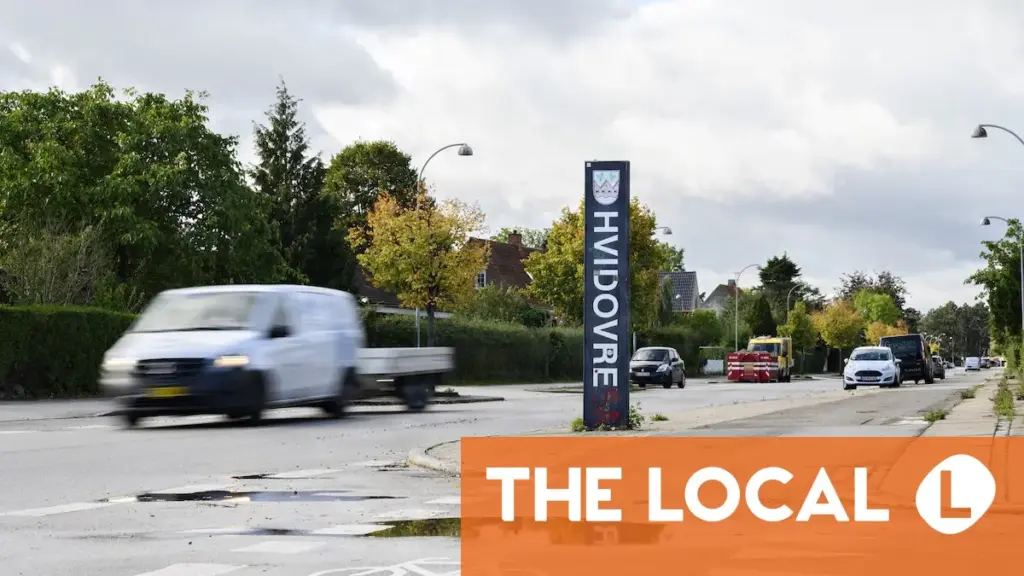
The municipalities where the median salary has grown the most after Copenhagen were Frederiksberg (13.3 percent), Hvidovre (12.5 percent) and Rødovre (12.4 percent).
The municipality where median incomes rose the most outside of the capital region was Rebild near Aarhus, which came in 11th place with a 10.2 percent rise.
According to the study, the median salary of people living in municipalities in the capital region was close to the national median level in 2014, with the salary gap only starting to grow over the past ten years.
“The income level in most municipalities in 2014 was lower or not far from the typical income at national level,” the study’s authors wrote. “The development thus reflects a shift – particularly with regard to Copenhagen, but also for the municipalities of Frederiksberg, Hvidovre, Rødovre and a number of other metropolitan municipalities.”
In Copenhagen, the median income remains 400 kroner a month lower than that of Denmark as a whole, reflecting the lower salaries of people living in more disadvantaged areas.