

NATO will strengthen its eastern flank with a new command structure to rapidly deploy forces to Latvia and Estonia in the event of war with Russia, two sources familiar with the matter told Reuters on May 26.
At present, NATO forces across all three Baltic states and northern Poland fall under a single multinational headquarters in the Polish city of Szczecin. The planned change highlights the strategic weight of the Baltic region, which has remained a central focus for the alliance since Russia’s full-scale war in Ukraine.
We bring you stories from the ground. Your support keeps our team in the field.
Assigning a second corps to the region will allow NATO to bring in “mass at speed,” as one military official described it, to address the area’s limited strategic depth and acute vulnerability. When fully operational, an army corps typically commands three divisions, or 40,000 to 60,000 troops.
In peacetime, it normally exists as a skeleton command structure, with specialist functions such as artillery, air defense and medics in place to allow rapid deployment when needed.
Germany and the Netherlands, in coordination with NATO, have reached an agreement to assign the German-Netherlands Corps, based in the German city of Muenster, to the defense of Latvia and Estonia.
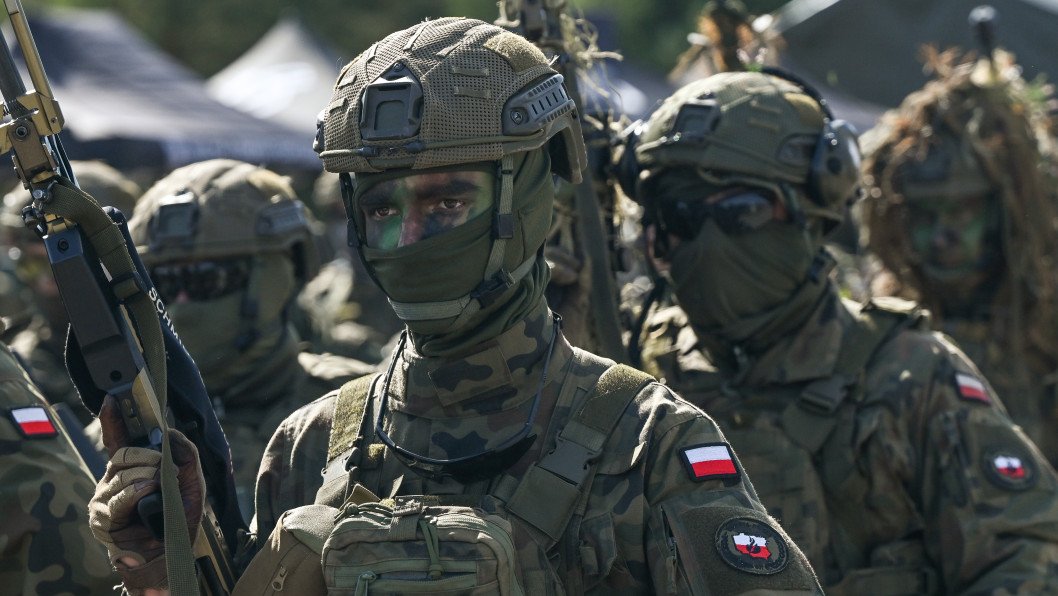
The deal cleared a final hurdle stemming from a shortage of corps troops in critical areas—long-range artillery, air defense, engineers, and medics—gaps that Berlin, The Hague, and other partners will now work to fill.
The exact timing of the decision’s implementation and the number of troops under the new headquarters in any conflict remained uncertain.
The Dutch defense ministry mentioned that the assignment was “currently being further elaborated” and declined to provide further details. The German defense ministry refrained from commenting, citing ongoing coordination with NATO.
NATO stated that it would respond later.
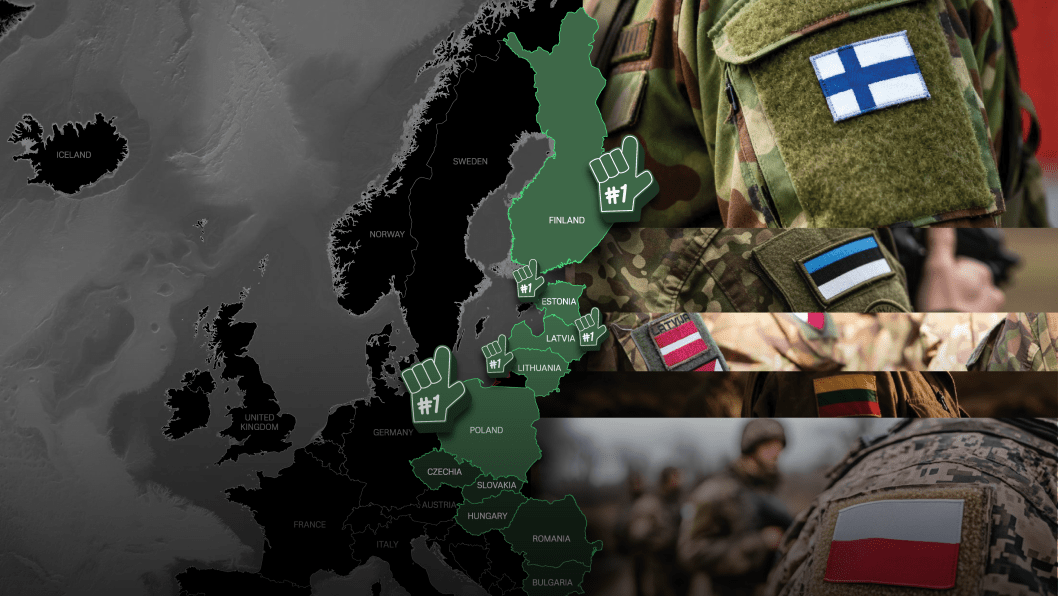
Alliance officials have warned for years of an intensifying threat from Russia, which they assess could potentially mount a large-scale assault on allied territory as early as 2029. Moscow denies aggressive intentions and accuses the alliance of stoking tensions through expansion into neighboring territory.
The Baltic region has become a recurring focus of NATO contingency planning, with allied militaries recently rehearsing the exact kind of scenario the new corps assignment is designed to confront.
Earlier in May, several hundred personnel from NATO nations conducted the Arrcade Strike command-and-control exercise at the abandoned Charing Cross subway station in central London.
The drill tested the Allied Rapid Reaction Corps’ ability to coordinate operations involving up to 100,000 troops. Planners envisioned NATO forces defending Estonia from a Russian invasion projected for 2030, with member states activatingArticle 5 following a simulated incursion into Baltic territory.
-9bd5e1532102621f8fb1c4ba871a3171.png)

We report from the front lines to show the reality of war. Your support helps us stay there and tell the stories that matter.