
Key events
Please turn on JavaScript to use this feature
Elevated energy prices ‘likely this winter’, says Ofgem boss
Ofgem boss Tim Jarvis, speaking to BBC Radio 4’s Today programme, says the higher price cap for July has been driven “almost entirely” by the rise in global gas prices triggered by the war in the Middle East, and that the price cap for October depends on progress to resolve the conflict.
He said:
double quotation markIt will depend to a large extent on what happens in the Middle East and the progress of any measures to try and get a peace deal and then the speed with which the straits reopen and how quickly the market recovers, but it is unfortunately now looking like a more long term disruption to markets than we might originally have hoped.
…It is a time where it gives people an opportunity to try and prepare for what may be coming in the winter and they might do that by trying to fix in the market for example, and try and insulate them against some of that volatility.
You’ve obviously got the risk there that if prices do come down, but it is likely that we are going to see elevated prices this winter. We’re not at the moment seeing the sort of price rises that we saw following the Russia-Ukraine war, but it remains a very uncertain situation.
Updated at 02.33 EDT
Expect even higher bills this year, analyst says
Higher energy bills from July will be unwelcome news for most, but leading analyst Cornwall Insight warns that “the more pressig concern will be what follows”.
Its forecast for the October to December period puts the cap at £1,899 per year, which would represent a further 2% rise on the July cap and would coincide with the arrival of a colder season.
The October cap will not be confirmed until August.
Dr Craig Lowrey, principalconsultant at Cornwall Insight, says:
double quotation markThe rise in July energy prices will be felt across households already stretched by the cost of living, and even though it was widely anticipated, that does not make it any easier to bear. Even more concerning is October, where our forecasts are already pointing to a slight rise landing just as people start to turn their heating back on for winter.
A lot of people assume that if the conflict in the Middle East ended tomorrow, prices would return to their pre-conflict levels fairly quickly. However, that may be overly optimistic. The damage to infrastructure, the disruption to supply chains and the erosion of market confidence will not unwind overnight, and the impacts could be felt in bills for longer than many expect.
That uncertainty makes the outlook for October particularly hard to call. We are only days into the three month time period Ofgem uses to set the wholesale element of the October cap, so things can and likely will shift, but households should not be banking on lower bills later in the year. The Government will face real pressure to spell out what support is available – and to whom – before winter. For a lot of people this is not some abstract economic question, it is a decision about how warm they can afford to keep their home.
What we do know is while some form of short-term support will be needed, without a longer-term move away from energy imports, whose prices can shift dramatically, we are going to keep having this conversation.”
ShareIntroduction: UK energy price cap rises by £200
Good morning, and welcome to our rolling coverage of business, the financial markets and the world economy.
The energy price cap in Great Britain will rise by 13% from July, the regulator Ofgem has announced this morning.
It means households will face the steepest summer rise in energy charges in four years after months of soaring market prices.
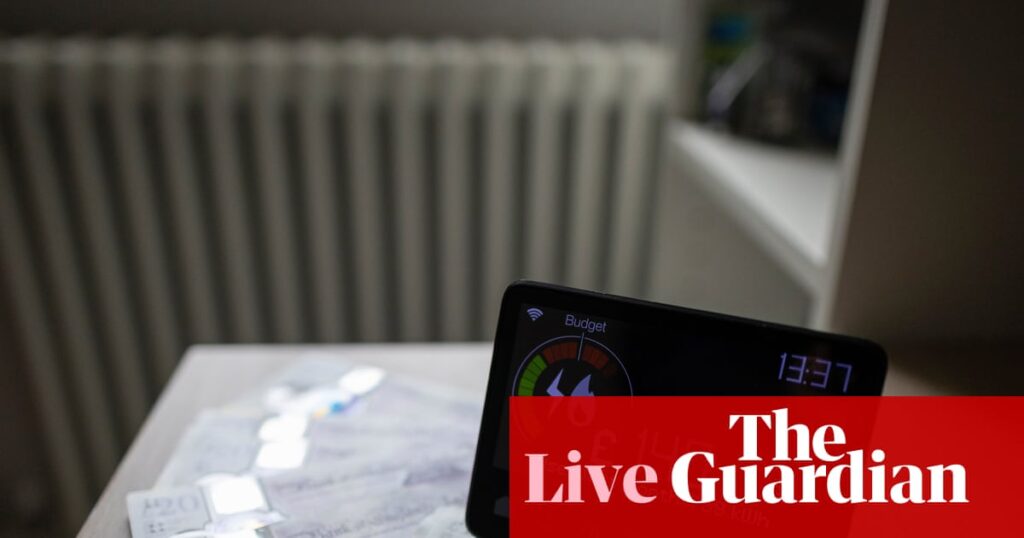
Under the cap, the average gas and electricity bill will increase to the equivalent of £1,862 a year (up from £1,641) from July until the end of September to take account of the rise in global energy market prices caused by the war on Iran.
The energy regulator for Great Britain, Ofgem, determines the maximum a supplier can charge for each unit of gas and electricity based on the cost of supplying energy to homes, including the average wholesale market costs in the months leading up to the start of each new cap. The cap also incorporates the maximum daily standing charge (the flat daily fees levied for a connection regardless of how much or little energy people use).
Tim Jarvis, Ofgem CEO, says:
double quotation markToday’s price change reflects continued volatility in global energy markets. This means higher wholesale gas prices, driven by ongoing conflict in the Middle East, is impacting the price we pay for energy.
We understand many will be concerned about rising prices. While energy use typically falls over the summer months, there are still practical steps households can take to manage costs, including exploring fixed tariffs or changing their payment method. Smart meter customers can also take advantage of half price or cheap electricity at the weekends.
While our energy supplies remain secure, the best way to limit this exposure is by investing in our energy network. That’s why we’re unlocking the funding needed for the biggest transformation of our lifetime to deliver a system that is secure, resilient, and works for consumers across Great Britain.”
The agenda
-
5am BST: European car sales data for April
-
7am BST: Ofgem price cap for 1 July to 30 September
-
5pm BST: Deadline for any legal challenge of FCA motor finance compensation to be filed