
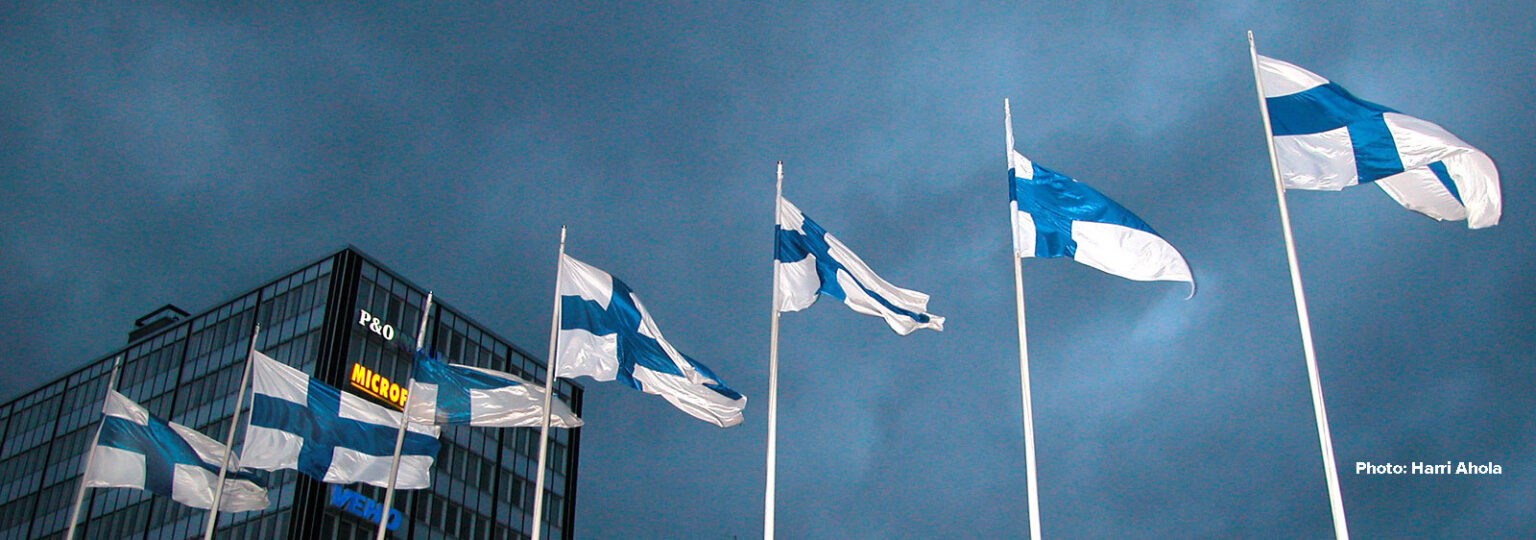
In the coming days, the Finnish parliament will vote on the government’s proposal to repeal the law that bans nuclear weapons from the country. The law currently prohibits the importation of nuclear warheads, as well as their transport, delivery or possession on the country’s territory.
The law dates back to 1987 when Finland was neutral and managing a wary relationship with its neighbour the Soviet Union with which it had fought during the Second World War. Finland had been part of the Russian empire until 1918 when the country gained its independence following the empire’s collapse and the Bolshevik revolution.
Following the demise of the Soviet Union and the end of the Cold War, Finland maintained the ban and public opinion in the country was strongly opposed to nuclear weapons.
But, Finnish foreign policy took an abrupt turn in 2023 when the government, without any public consultation, decided to join NATO because of fear of Russia following its full-scale invasion of Ukraine.
The government claims that the law is incompatible with its membership of NATO which relies on nuclear weapons as part of its security strategy. This justification is unconvincing given there is nothing in the North Atlantic Treaty, NATO’s legal foundation, that requires a member to accept nuclear weapons on its territory. In fact, the treaty does not mention nuclear weapons.
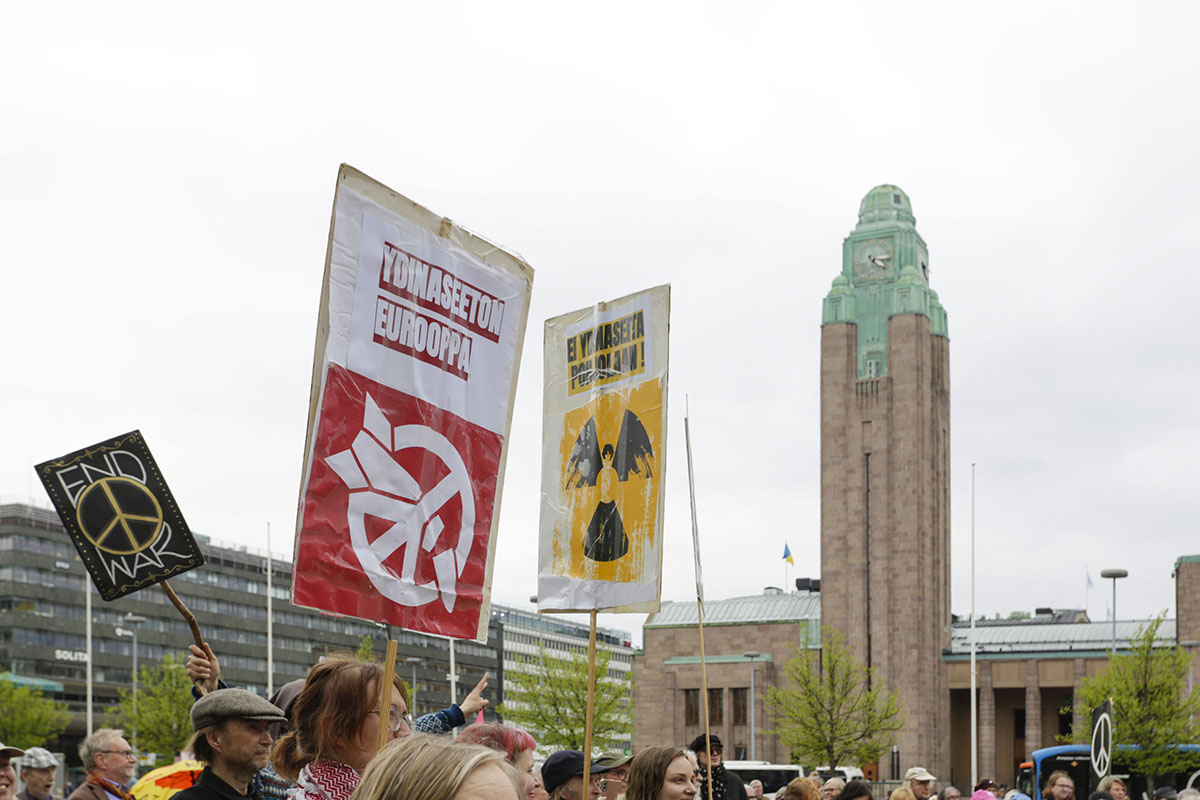
Some opposition parties, including the Social Democrats and the Left Alliance have been critical of the proposal and recent polling shows the majority of the public is against the change.
A coalition of civil society organisations and anti-nuclear weapons campaigners, including ICAN Finland, Physicians for Social Responsibility and Finnish Pugwash are opposing the change by pointing out that there is no operational need for Finland to have nuclear weapons on its soil.
Researchers at SIPRI have also said that given Finland is only 160 kilometers from one of Russia’s main bases for its nuclear-armed submarines, this change could lower Moscow’s threshold for pre-emptive strikes. In other words, it would make Finland a nuclear target in the event of a NATO-Russia conflict at a time when tensions between the two are already at a historic high.
In addition to accepting NATO’s strategic dependence on nuclear weapons when it joined the alliance, Finland also declared that its membership of the alliance is incompatible with joining the Treaty on the Prohibition of Nuclear Weapons and the country started voting against the annual UN General Assembly resolution welcoming the adoption of the Treaty when, previously, it had abstained.
This is another assertion unsupported by any factual or legal basis in NATO’s founding treaty.
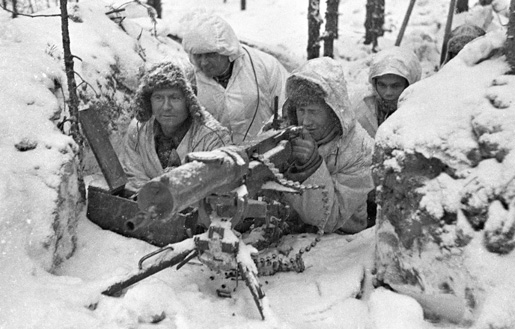
Photo: Finnish Wartime Photograph Archive
Finland has robust conventional forces that it built up after the Second World War and which successfully demonstrated to the Soviet Union and later Russia the country’s ability and resolve to defend itself. Nuclear weapons are simply not needed for the defence of Finland, and, in the view of many experts, will actually make Finns less safe.
ICAN’s Executive Director, Melissa Parke, said: “Finland’s nuclear prohibition law is not a relic. It is a hard-won recognition that security rests on international law and a rules-based order that protects smaller states. The argument for changing the law is flawed, as the war in Ukraine shows. Russia has spent four years issuing nuclear threats, yet intimidated nobody into surrender and gained no military advantage from them. Nuclear weapons are not tools of war-fighting.”