
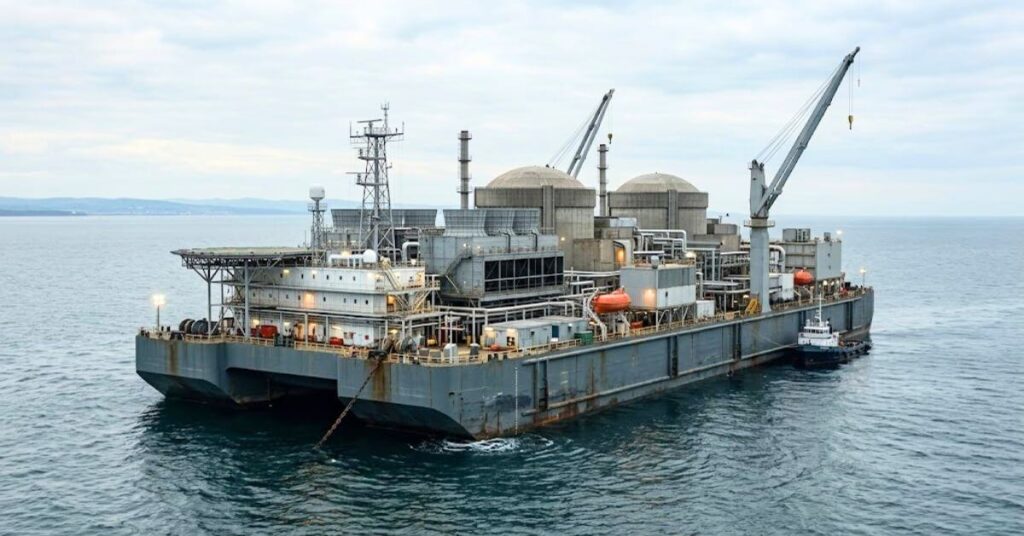
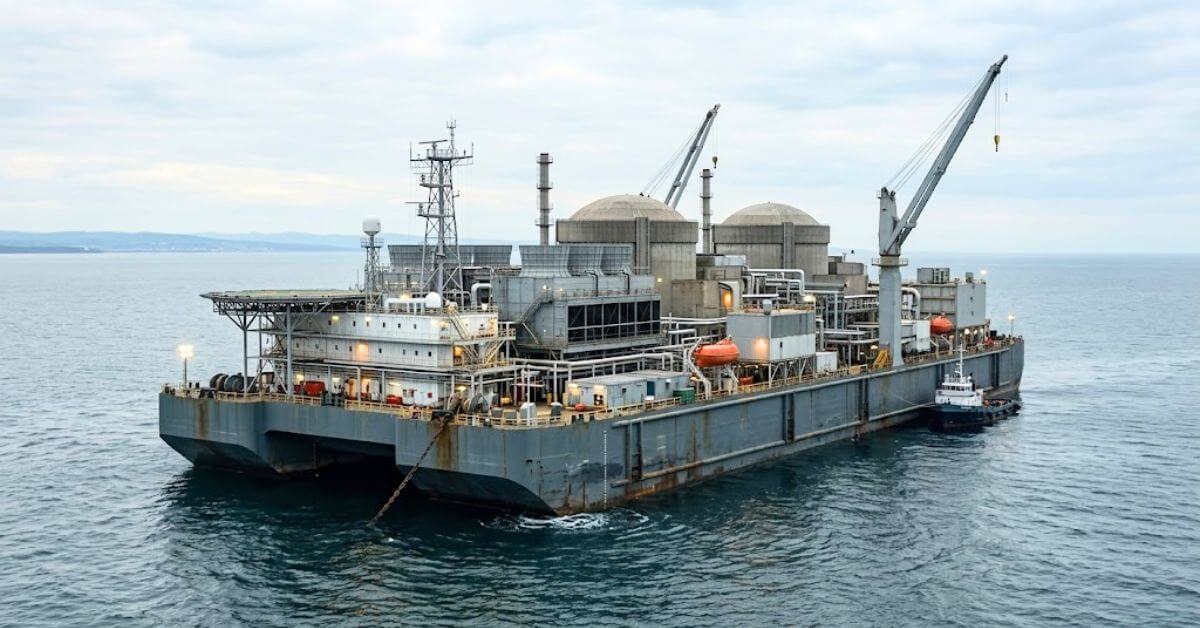
Image for representation purposes only
Russia has completed the first RITM-200C reactor unit that will be used in a new generation of floating nuclear power plants.
The 58 MWe reactor was manufactured at Rosatom’s ZiO-Podolsk plant near Moscow.
It will be one of two reactors installed on the first Floating Power Unit (FPU-106), which is being built to supply electricity to a copper mining industrial cluster in Russia’s Chukotka Autonomous Okrug.
Rosatom has earmarked four floating power units for the project, which the company describes as the first initiative to provide carbon-free energy for industrial production using floating nuclear power plants.
Rosatom Director General Alexey Likhachev said the completion of the first reactor for the lead floating power unit represents an important milestone for the programme.
He added that Russia remains the only country operating a floating nuclear power plant and intends to continue developing small-scale nuclear technologies for domestic and international customers.
The RITM-200C is a modified version of the RITM-200 reactor currently used on Russia’s latest nuclear-powered icebreakers. According to Rosatom, the reactors have demonstrated their effectiveness in Arctic conditions.
Russia already operates the floating nuclear power plant Akademik Lomonosov, which has been serving Chukotka since 2020.
Rosatom said the facility has generated more than 1.2 billion kWh of electricity during that period and has prevented more than 400,000 tonnes of greenhouse gas emissions.
The company said floating power units equipped with RITM-200 reactors could help address energy shortages in remote and offshore areas. Rosatom also sees export opportunities for the technology.
Rosatom’s Machine-Building division is currently producing 14 RITM-200-based reactor units for both floating power plants and nuclear-powered icebreakers.
According to previous project information, the FPU-106 units will have a generating capacity of 106 MWe, require refuelling every five to seven years, and have an operating life of about 40 years.
Rosatom is also developing an export version with a capacity of 100 MWe, a refuelling interval of 10 years, and a service life of 60 years.
Construction of the floating power units is continuing as Russia moves forward with plans to expand floating nuclear energy generation for remote industrial and coastal regions.
References: WNN, interestingengineering
Disclaimer :
The information on this website is for general purposes only. While efforts are made to ensure accuracy, we make no warranties of any kind regarding completeness, reliability, or suitability. Any reliance you place on such information is at your own risk. We are not liable for any loss or damage arising from the use of this website.
Disclaimer :
The information on this website is for general purposes only. While efforts are made to ensure accuracy, we make no warranties of any kind regarding completeness, reliability, or suitability. Any reliance you place on such information is at your own risk. We are not liable for any loss or damage arising from the use of this website.