
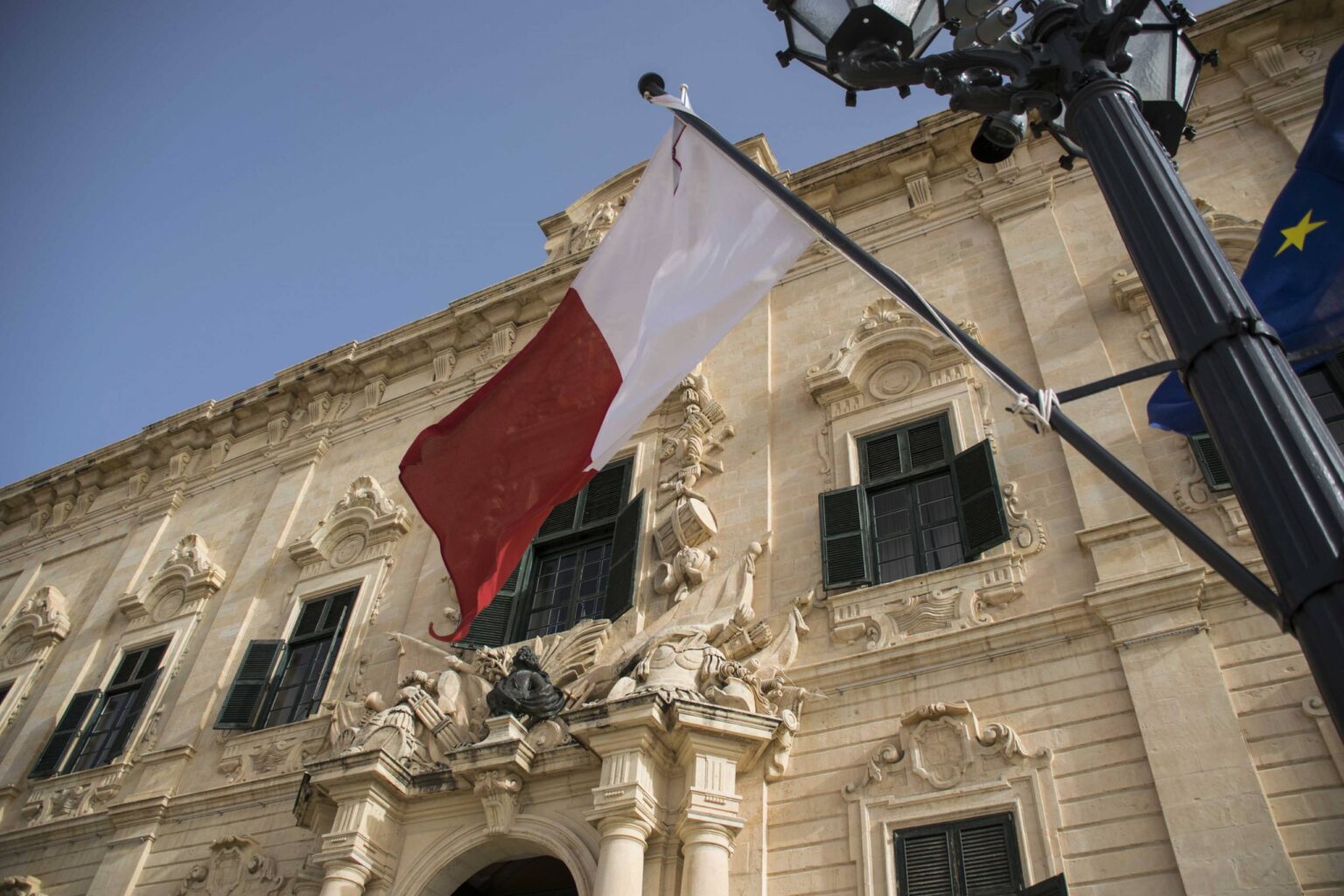
 Photo: Miguela Xuereb
Repubblika made clear its disappointment at the way this year’s electoral campaign turned out in reflections it published as voting came to a close on Saturday night, decrying how the campaign focused on “an auction of promises” over the serious democratic challenges the country still face.
The NGO said that as the country awaited the result of the election, it was time to reflect seriously “on the quality of our democratic life and the direction our country is taking.”
Too often, it said, the campaign “reduced politics to an auction of promises to individuals, rather than a serious discussion of the common good, the country’s long-term future, and the responsibilities we owe each other as members of a democratic community.”
While both major parties referred to governance, institutional reforms, transparency and democratic standards in their electoral programmes, Repubblika noted that these themes were largely overshadowed during the campaign.
“Public debate was instead dominated by short-term, transactional promises, identity-based rhetoric, and political messaging designed primarily for electoral advantage rather than for national responsibility,” it said.
It stressed the serious democratic challenges that Malta still faced: “the need for stronger anti-corruption enforcement, greater transparency and accountability, more effective institutional safeguards, the protection of media freedom, and the implementation of the recommendations of the public inquiry into the assassination of Daphne Caruana Galizia.”
“Yet corruption prevention, institutional resilience, and democratic reform were rarely treated as central campaign issues, despite their fundamental importance to the country’s future,” it said.
Islamophobic rhetoric exposed democratic weaknesses
Repubblika also expressed concern at how Malta’s political leaders “appeared willing to treat fundamental human rights as expendable whenever political expediency seemed to demand it.”
It recalled the debate over the possibility of additional places of worship for Malta’s growing Muslim community – which saw both Robert Abela and Alex Borg insist there was no room for another mosque in the country – as well as the “deeply troubling reactions” to the candidacy of Omar Rababah.
These, it said, “exposed how fragile our national understanding of citizenship, equality, and constitutional rights can be under political pressure.”
The NGO criticised political leaders’ seeming willingness to endorse or accommodate rhetoric implying that certain communities should enjoy fewer practical freedoms than others on the basis of their identity, and said that constitutional democracy cannot function if rights apply only where politically convenient or to those who conform to majority sentiments.
“Democratic leadership requires the protection of fundamental rights precisely when doing so is politically uncomfortable,” it said.
The scourge of clientelism and the power of incumbency
Equally concerning, Repubblika said, was the continued normalisation of manifest clientelism throughout the campaign, which saw electoral discourse reduced to what individual voters could get as parties competed to offer personal benefits to particular sectors or groups in exchange for electoral support.
“This culture weakens citizenship, diminishes the sense of community that should be nurtured among a responsible and socially conscious people, undermines democratic responsibility, and erases the distinction between public service and partisan patronage,” it said.
It also expressed particular concern at the Labour Party’s exploitation of its incumbency in government, amid reports of intensified recruitment in the public sector, personalised interventions on behalf of individual voters, and the widespread perception that access to opportunities or public resources may be influenced by political allegiance. This, it said, deserved serious scrutiny.
“If any public appointments, employment opportunities, contracts, benefits, or other advantages were offered or granted in return for electoral support, such conduct would raise questions not only of political ethics but potentially of compliance with Malta’s electoral laws, which treat bribery and related practices as serious offences carrying significant criminal and political consequences,” Repubblika maintained.
It also stressed that the systematic use of public resources, public employment, or governmental influence in ways that create dependence on political favour undermines confidence in the impartiality of the state, even if no explicit solicitation of political support occurs.
A healthy democracy, it stressed, required a clear distinction between party and state.
Party financing and campaign regulation found wanting
The NGO also maintained that serious concerns remained about political party financing and the regulation of campaigns, flagging issues including the lack of transparency in cash-based telethons, individual candidates whose spending appears to have exceeded legal limits, and the “overall inadequacy” of oversight and enforcement mechanisms.
“All this reinforces the public perception that political discourse is shaped less by the public interest and more by anonymous donors and hidden financial interests pulling the strings behind the scenes,” it said. “Malta cannot continue to tolerate a system in which the financing of political power remains so opaque and enforcement institutions remain so weak.”
Hope for the future
Despite everything, however, Repubblika said that Malta had an opportunity for a fresh start.
“The next legislature should be the one in which Malta finally treats the protection of democracy and the rule of law as national priorities rather than external obligations. It should be the legislature in which the recommendations of the Daphne Caruana Galizia public inquiry are fully implemented, meaningful dialogue with civil society is initiated in the spirit of open government, and international standards on transparency, accountability, anti-corruption enforcement, democratic governance, and political financing are not merely met but exceeded,” it said.
“This must include serious reform of political party financing, effective enforcement of campaign spending rules, stronger safeguards against clientelism and the misuse of public resources, and meaningful transparency of political influence and donations.”
The NGO stressed its commitment to continue working “constructively, firmly, and independently towards achieving these goals.
“We hope the next administration will be willing to do likewise,” it concluded.

