
Malta’s election campaign evolved through several distinct phases, beginning with competing attempts to seize the narrative and ending with a sharper contest over credibility, leadership and trust.
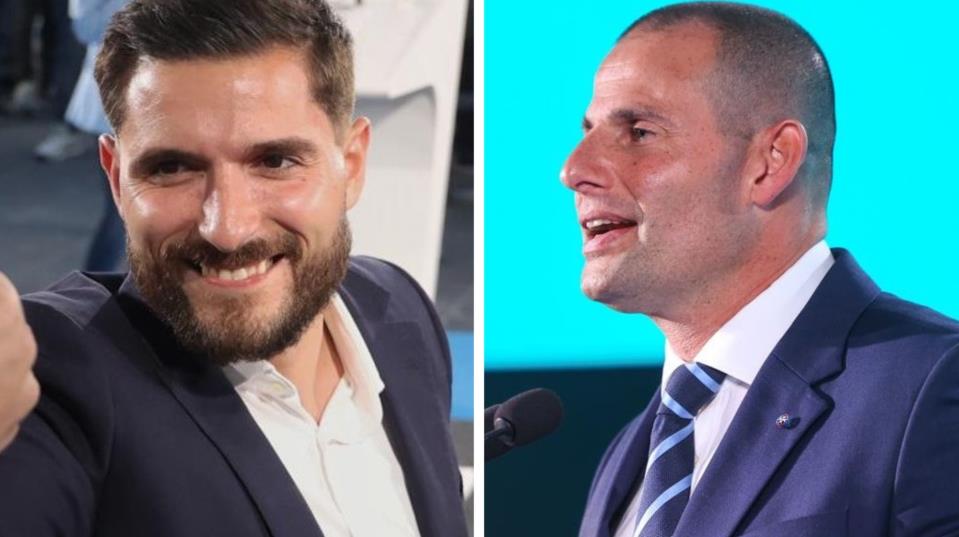
While both major parties often appeared ideologically close, the campaign gradually became more personal, with the spotlight falling on the contrasting styles of Prime Minister Robert Abela and Opposition leader Alex Borg.
Health, transport, governance, cost-of-living measures and leadership accountability dominated the agenda at different stages, while debates, campaign pledges and mass meetings provided defining moments along the way.
The campaign’s main highlights
The PN’s early focus on healthcare
The opening week of the campaign saw the PN attempt to structure the election around healthcare and hospital waiting lists. Borg repeatedly returned to the theme, presenting it as proof that economic growth had not translated into stronger public services. The strategy appeared designed to move the discussion away from Labour’s economic record and toward quality-of-life concerns.
Labour’s response centred on stability and grants
Labour countered by highlighting social benefits, tax measures and grants aimed at families, pensioners and businesses. Abela’s message remained heavily anchored in economic continuity, portraying Labour as the safer choice for stability and prosperity. The government repeatedly emphasised Malta’s economic performance and low unemployment.
The campaign increasingly became about trust
As the days passed, ideological differences between the two major parties often appeared limited. Instead, the campaign shifted toward questions of trust, credibility and leadership style. Labour argued that only it could guarantee stability, while the PN attempted to present itself as a credible and more accountable alternative. Comments abounded about calculators, with each side accusing the other of not being able to count well and cost its proposals properly.
Governance and accountability remained in the background throughout
While economic issues dominated, questions linked to governance, transparency and standards in public life were almost completely absent. The PN repeatedly attempted to reconnect Labour with long-standing concerns over accountability, while Labour sought to shift attention back to economic growth and social measures.
The fuel hub
The PN’s proposal of a fuel hub on Hurd’s Bank was arguably the first controversy of the campaign, with Labour branding it as a “petrol station in the Mediterranean” while the PN presented it as a way for the country to open a new economic niche. PM Abela mistakenly said the plan had been presented to him by “an oil smuggler” and he had rejected it, with Borg replying by taking an oath that he had never met anyone of the sort.
The cost-of-living issue never fully went away
Both parties acknowledged pressures related to inflation and daily expenses. Labour argued that its support schemes were cushioning families, while the PN maintained that many people still felt economically strained despite positive macroeconomic figures. The issue remained important because it touched voters directly, even if it did not dominate every day of the campaign.
The super bonus and other goodies
It soon became a battle of who was offering the most. Labour came up with the idea of a super bonus of €1,000 for each worker, with the PN countering with a tax cut which exceeded that amount. It felt like Christmas as Abela and Borg attempted to outbid each other with proposals aimed to improve quality of life.
Manoel Island
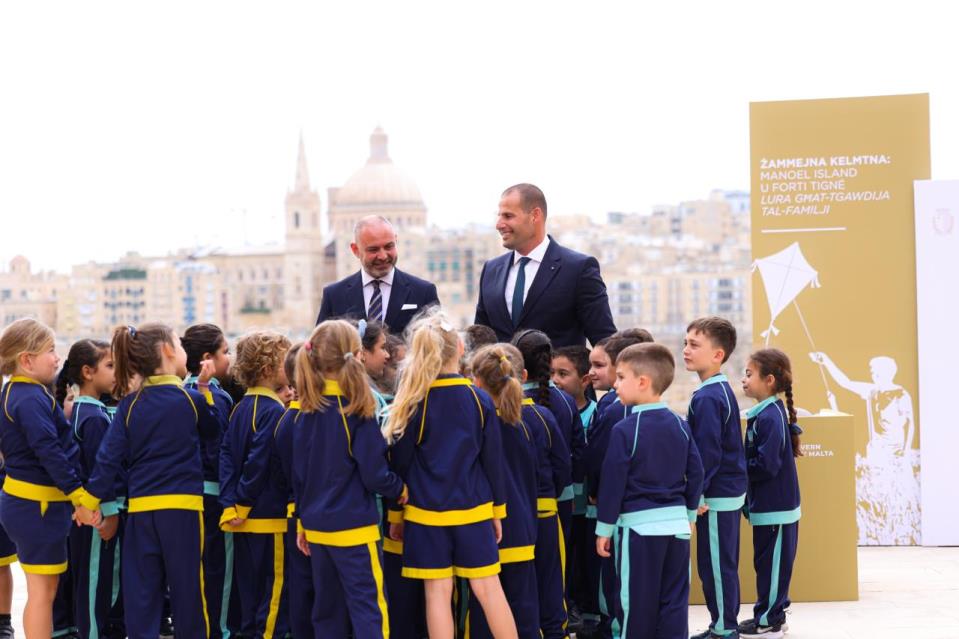
The signing of an agreement for the government to take back Manoel Island for the public was another highlight of the campaign, with Labour insisting it wanted to give back green spaces to the public, while critics noted that it was, after all, thanks to NGOs that this happened.
Electoral manifesto/programme
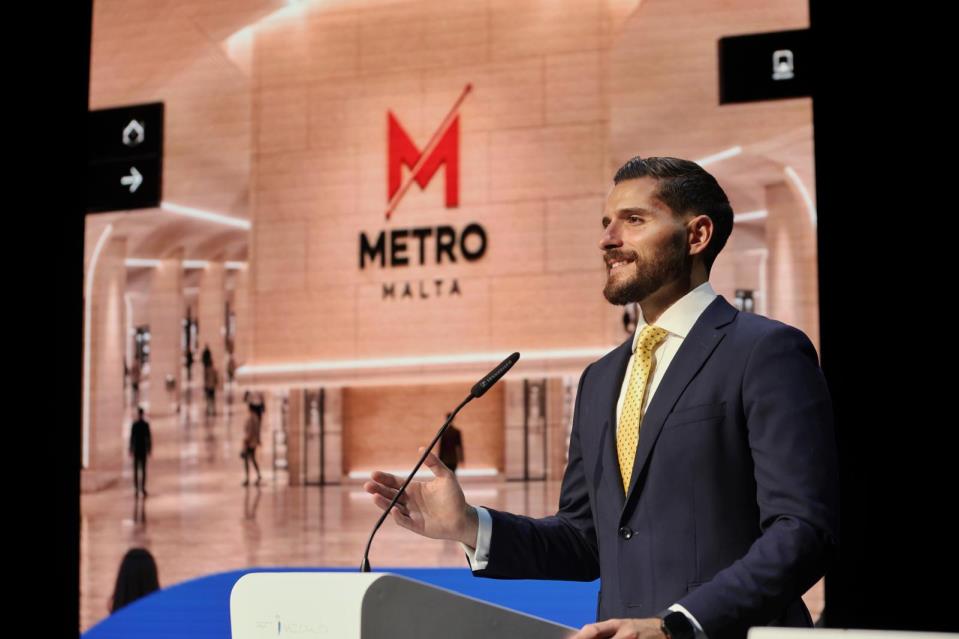
By the time the PL published its manifesto and the PN its programme, the respective leaders had already announced most of their ideas. What emerged when Labour’s manifesto was presented was the idea of holding a referendum on euthanasia. The PN proposed to finish one 11.5km metro line in the next legislature.
The metro and mass transport proposal
One of the campaign’s biggest talking points was Borg’s ambitious mass transport proposal, including the pledge tied to the completion of a metro system within a fixed timeframe. It was among the boldest commitments of the campaign and immediately became a point of political attack. Supporters viewed it as evidence of long-term thinking; critics described it as unrealistic and politically risky.
The leaders’ debates sharpened the contrast
The debates between Abela and Borg became central campaign moments because they highlighted differences in tone more than ideology. Abela projected experience and continuity, while Borg sought to present energy and change. The exchanges also showed the Prime Minister adopting a more defensive posture, particularly on infrastructure issues. One of the debates turned out to be a one-man show as Abela did not turn up, citing previously arranged commitments.
Mass meetings became demonstrations of momentum
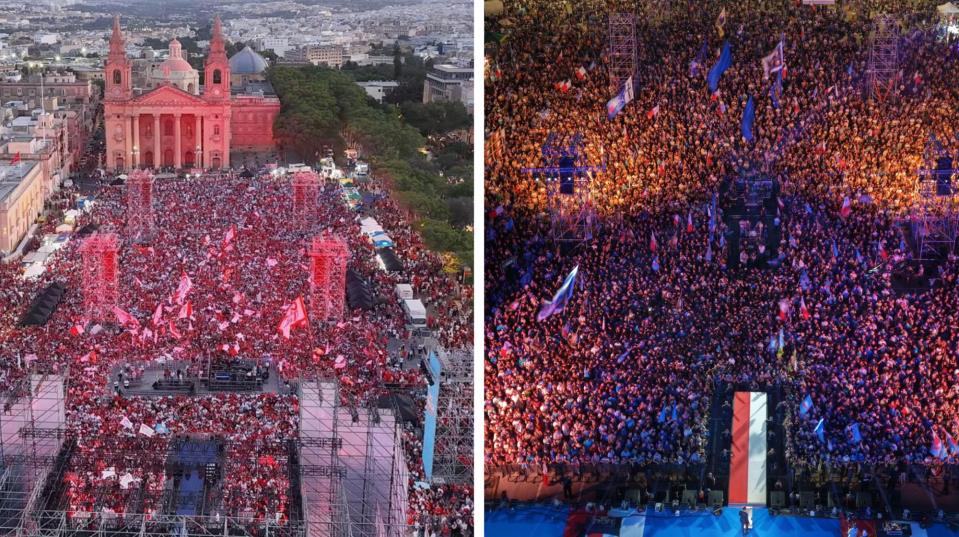
The large rallies held by both parties were less about policy and more about morale, mobilisation and perception. Labour focused on showcasing organisational strength and continuity after 13 years in government, while the PN attempted to project renewed enthusiasm and momentum under Borg’s leadership.
Lydia and Sarah
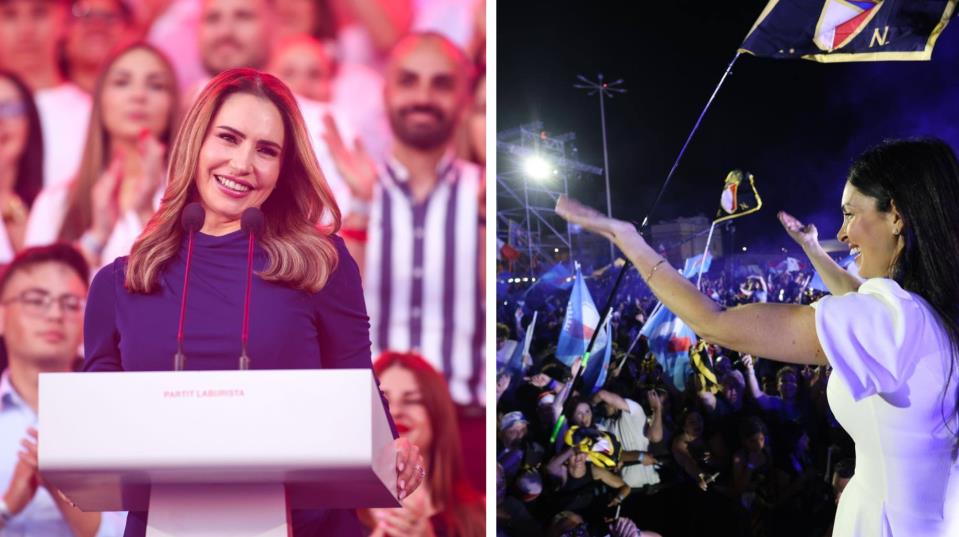
The Prime Minister’s wife Lydia Abela played a prominent role during the campaign, on Sundays taking over the show with her brunches during which she also made commitments on behalf of the Labour Party, although she holds no official role. She also adressed the last mass meeting on Thursday. Borg’s partner, Sarah, opened up with a walk in Buskett but following that she took a background role, always by Borg’s side but never in the thick of it.
Surveys
All surveys published during the campaign pointed to a Labour majority. There were differences in the margin of victory, ranging between 18,000 and 33,000 votes. But the question always remained as to what the so-called undecided voters would do. We will know more today when the country’s process takes place.
Borg’s apology became a turning point
Borg’s public apology over past behaviour by his political party in the past marked one of the more human moments of the campaign. Rather than avoiding the controversy, he confronted it directly. The move allowed him to attempt to reset the narrative and present himself as more mature and reflective, even if Labour continued to question his consistency.
The campaign became increasingly presidential
More than previous elections, the contest revolved around the two leaders personally. Abela campaigned heavily on his record and experience in office, while Borg offered himself as the candidate of change and renewal. Party structures and individual candidates became secondary to the head-to-head leadership battle. The PN held events during which the district candidates were given a few minutes of publicity; Labour did not go down this road, although some candidates were given some time on the podium.
Individual, lavish campaigns
While the political parties went about their events to reach out to all corners of the country, individual candidates were offering free food and drink in lavish individual campaigns aimed to draw voters in their district. Never before have so many parties, receptions and coffee mornings been held as candidates sought personal support.
The final move
The last days of the campaign brought about one of the most significant moments, when the National Statistics Office said it will not publish data related to government finance on what is known as silent day, the day before the election. This was interpreted by the Nationalist Party as a move to avoid embarrassment for the government as the statistics pointed to a new record of debt registered by the country. The PN said that similar statistics had been published on the silent day before the 2022 election.
Labour’s biggest challenge: fatigue after years in government
After more than a decade in office, Labour faced the difficulty of defending an established record while also trying to convince voters it still represented energy and ambition. Maintaining enthusiasm among supporters became a key strategic concern.
The PN’s biggest challenge: credibility
For the PN, the central obstacle was persuading undecided voters that it was ready for government. While the party generated attention through ambitious proposals and sharper attacks, questions remained over whether it had sufficiently rebuilt trust after years in opposition.
The campaign’s defining contrast
In the end, the election campaign appeared to crystallise into a simple choice: Labour arguing that changing course would risk economic stability, and the PN insisting that continuity without accountability carried its own dangers.