
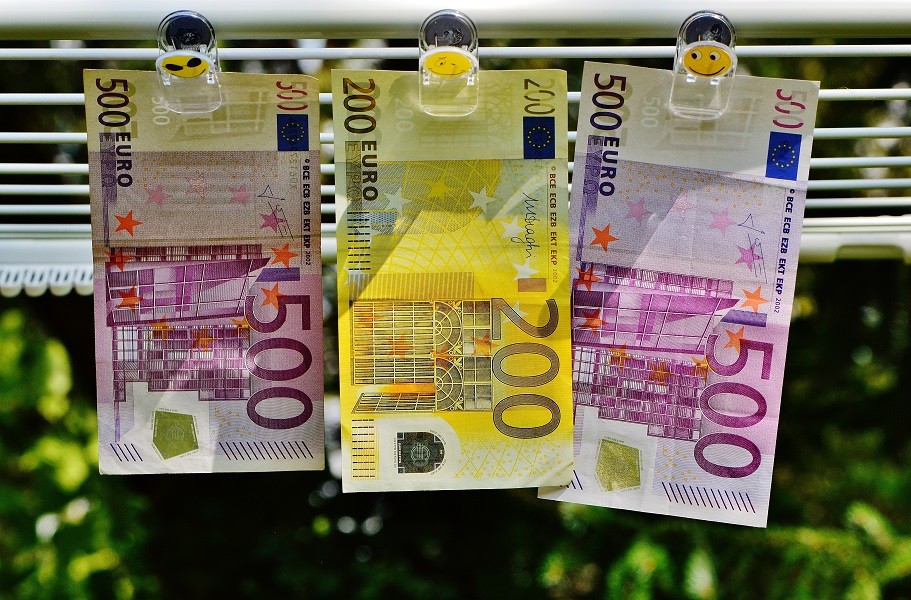
The median gross salary in Estonia was €1,753 a month in the first quarter of 2026, which is 6% higher than in the first quarter of 2025.
The median of gross salaryis the wage level at which half of the employees earn less than that level and half earn more than that level.
The median wages were €1,753 in the first quarter of 2026, which is 6% higher than in the first quarter of 2025.
“The growth trend for median wages is the same as for average gross monthly wages, both regionally and by economic activity,” Krista Vaikmets, a leading analyst at Statistics Estonia, the country’s official statistics agency, said in a statement.
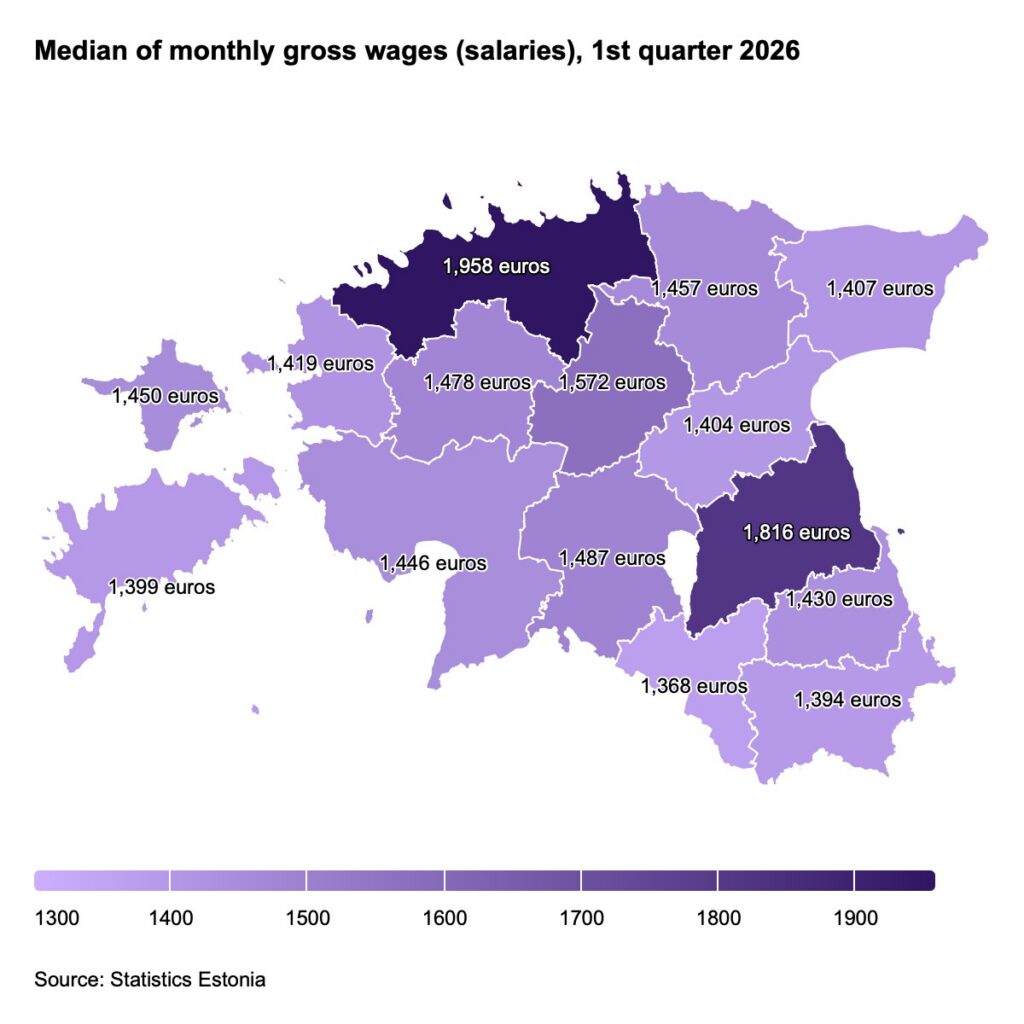 Median monthly gross wages, Q1 2026. Chart by Statistics Estonia.
The highest wages in Harju and Tartu counties
The average monthly gross salary was €2,135 in the first quarter of 2026, which is 6.2% higher than in the same quarter of 2025.
“Year on year, wages have increased in all counties, with the greatest increase registered in Rapla and Järva counties where the rise in gross wages and salaries was about 7%. The increase in average monthly wages was the smallest in Viljandi and Tartu counties – about 5%,” Vaikmets added.
In the first quarter, the average monthly gross wages and salaries were again the highest in Harju County (€2,405), rising by 6.3% year on year, and in Tartu County (€2,129), growing by 5.3% year on year.
“Looking at the statistics for Tallinn, the average gross wages earned in the capital rose to €2,538, up from €2,384 a year ago,” Vaikmets said.
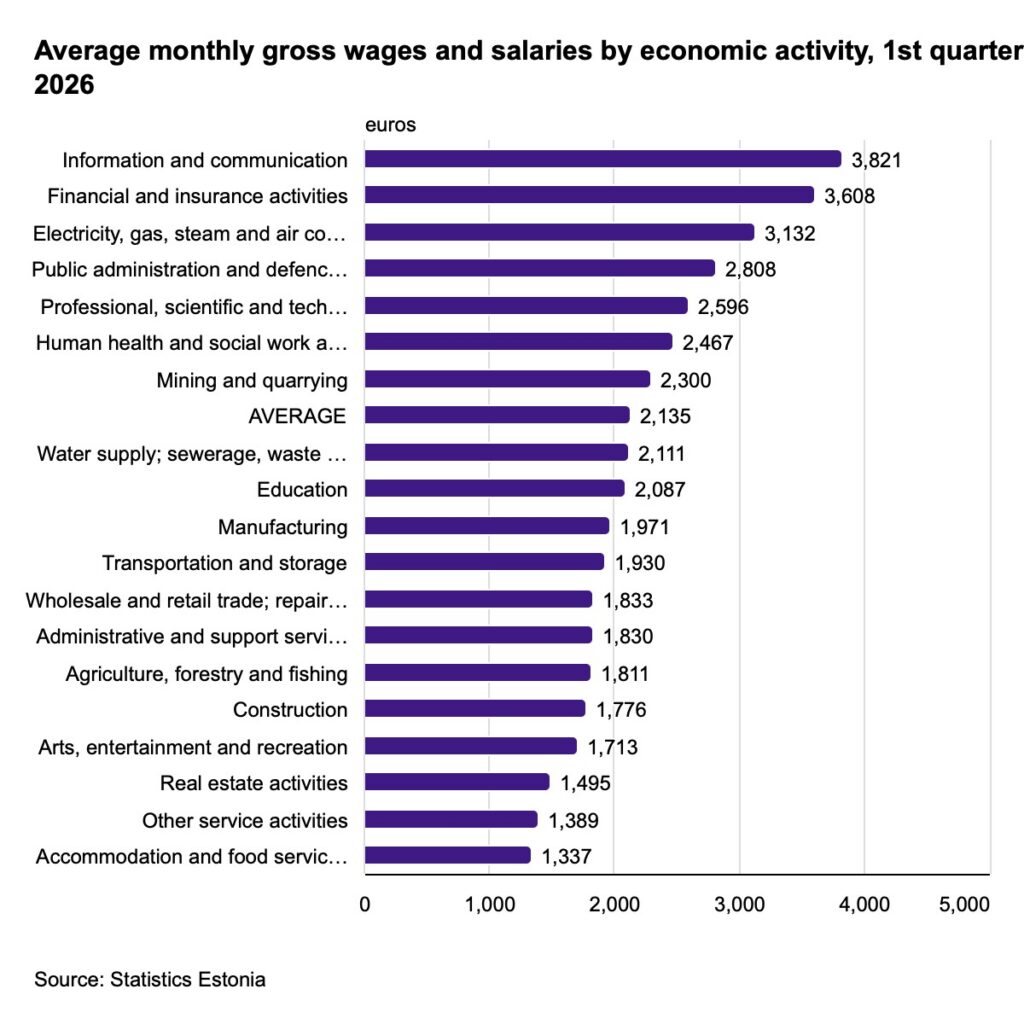 Average monthly gross wages by economic activity, Q1 2026. Chart by Statistics Estonia.
The service sector pays the least
Vaikmets said there are three economic activities where average monthly gross wages and salaries exceed €3,000.
“In the first quarter of 2026, average monthly wages and salaries were the highest in information and communication – €3,821. This was followed by financial and insurance activities with €3,608, and electricity, gas, steam and air conditioning supply with €3,132,” she said.
The lowest average wages and salaries were registered in accommodation and food service activities (€1,337) and other service activities (€1,389). “Nevertheless, there has been a roughly 4% wage growth in these activities as well,” Vaikmets added.
There were 580,099 employees in the first quarter, down by 5,000 from the year before. In the first quarter of 2026, the largest number of employees – 100,489 – worked in manufacturing, representing 17% of all employees.
This was followed by wholesale and retail trade (incl repair of motor vehicles and motorcycles) with 84,004 employees, education with 64,203 employees, and human health and social work activities with 48,265 employees.