
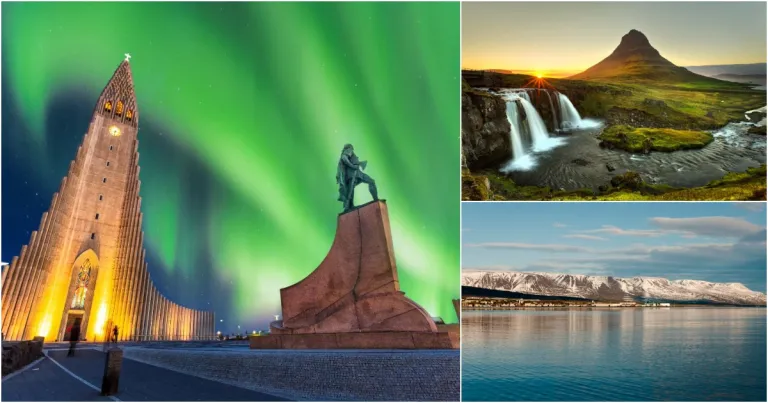
Almost everybody has a goal of visiting Iceland at least once in their life. It’s a land defined by dramatic contrasts, and your experience will change completely depending on when you pull up.
Because of the island’s geography, the weather splits into distinct realities. The South Coast (including Reykjavík) is heavily influenced by the warm Atlantic ocean currents, making it milder, wetter, and windier. Meanwhile, North Iceland sits right below the Arctic Circle; it gets much colder, holds onto thick blankets of snow for months, but often enjoys calmer, clearer skies.
The Master Month-by-Month Guide
The table below tracks average conditions for the South vs. North, along with the general daylight you will have to work with.
Month
South Temperature (Avg)
North Temperature (Avg)
Daylight Hours
Main Draw & Core Vibe
January
34°F / 30°F (1°C / -1°C)
35°F / 24°F (2°C / -4°C)
4–5 hrs
Deep winter wonderland; prime Northern Lights.
February
36°F / 28°F (2°C / -2°C)
35°F / 25°F (2°C / -4°C)
7–8 hrs
Winter festivals in the city; brilliant blue ice caves.
March
37°F / 30°F (3°C / -1°C)
35°F / 25°F (2°C / -4°C)
10–12 hrs
The “sweet spot” transitional winter month.
April
43°F / 34°F (6°C / +1°C)
42°F / 29°F (-1°C / -2°C)
13–16 hrs
Spring thaw; migrating birds return; fewer crowds.
May
48°F / 39°F (9°C / 4°C)
48°F / 35°F (9°C / 2°C)
16–20 hrs
Greenery returns; puffins arrive; great road tripping.
June
54°F / 46°F (12°C / 8°C)
55°F / 42°F (12°C / 5°C)
21–24 hrs
Peak Midnight Sun; Lupine flowers bloom.
July
59°F / 48°F (15°C / 9°C)
59°F / 45°F (15°C / 7°C)
20–22 hrs
Warmest weather; Highland F-roads open for 4x4s.
August
57°F / 46°F (14°C / 8°C)
56°F / 44°F (13°C / 6°C)
16–18 hrs
Epic hiking weather; berry picking; late-summer festivals.
September
50°F / 43°F (10°C / 6°C)
50°F / 39°F (10°C / 4°C)
12–14 hrs
Autumn colours; crowds drop off; Aurora returns.
October
45°F / 36°F (7°C / 2°C)
44°F / 34°F (6°C / 1°C)
8–10 hrs
Crisp air, cosy hot springs; high Northern Lights odds.
November
41°F / 31°F (5°C / -0.5°C)
38°F / 28°F (3°C / -2°C)
5–8 hrs
Winter returns; glaciers freeze up safely for caving.
December
38°F / 28°F (3°C / -2°C)
36°F / 25°F (2°C / -4°C)
4–5 hrs
Holiday lights in Reykjavík; long nights for Aurora chasing.
Where Should You Go?1. The South Coast & Southwest
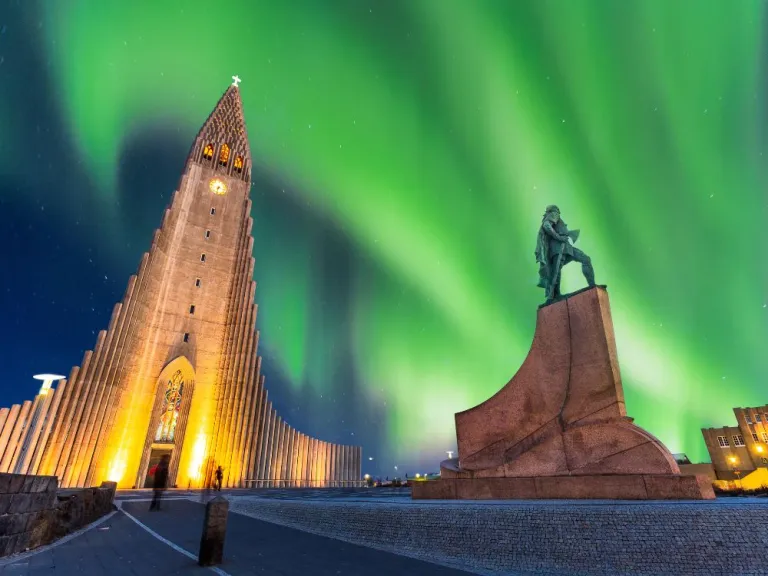 Image credit: basiczto via CanvaPro
This is home to Reykjavík, the Golden Circle, and iconic black sand beaches. Because of the coastal winds, a 34°F (1°C) day in January can feel significantly colder than the thermostat says.
-
Best Time to Visit: September to October (for balanced daylight and early Northern Lights) or June to August (for easy driving and lush green cliffs).
-
Top Winter Activities (Nov to Mar): Dipping in the Blue Lagoon while snow falls, chasing the Northern Lights away from city lights, and walking behind frozen waterfalls like Seljalandsfoss.
-
Top Summer Activities (Jun to Aug): Photographing the dramatic sea stacks at Reynisfjara, hiking the Fimmvörðuháls trail, and driving the Ring Road with complete freedom.
2. North Iceland
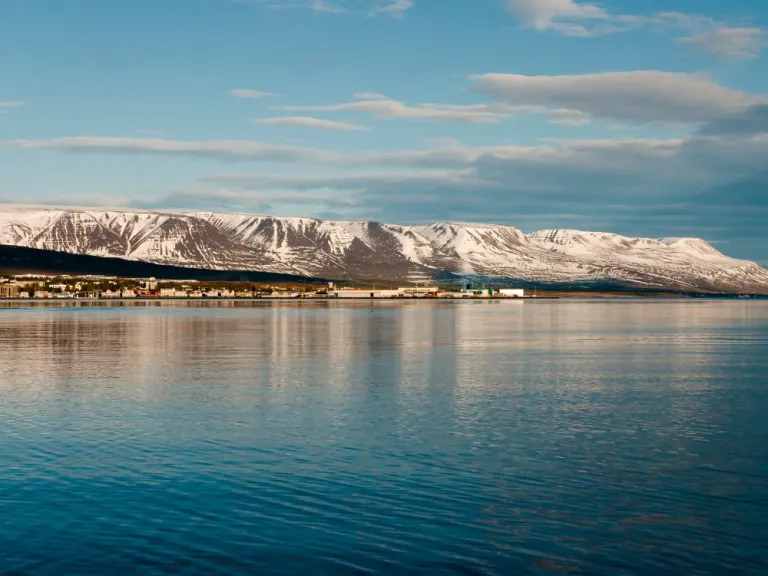 Image credit: Adrian Wojcik via CanvaPro
Centred around Akureyri (Iceland’s “Capital of the North”), this region feels like a totally different country in the winter. It experiences heavy snow tracking that frequently shuts down mountain passes, but its summers are shockingly sunny and pleasant.
-
Best Time to Visit: July to August (for fully clear roads and incredible whale watching) or February to March (for stable snowpack and winter sports).
-
Top Winter Activities (Nov–Mar): Skiing at Hlíðarfjall, relaxing in the Mývatn Nature Baths (the North’s less-crowded alternative to the Blue Lagoon), and seeing Godafoss waterfall completely cased in ice.
-
Top Summer Activities (Jun–Aug): Taking a boat out from Húsavík (the undisputed whale-watching capital of Europe), exploring the otherworldly volcanic craters around Lake Mývatn, and exploring the remote Diamond Circle route.
The Verdict: When Should You Go?
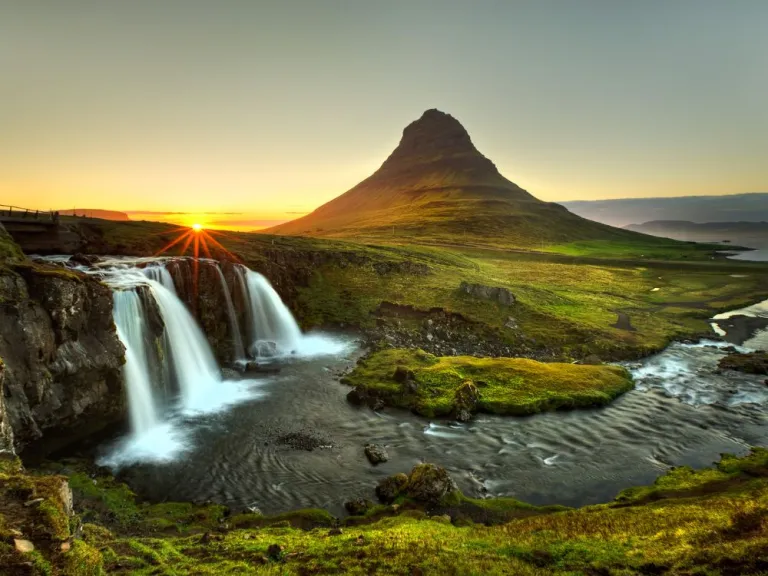 Image credit: yxyeng via CanvaPro
Go in July or August if: You want to rent a campervan, hike deep into the interior Highlands, see puffins, and experience the eerie novelty of the midnight sun.
Go in March or October if: You want to save a little cash, avoid massive crowds, and have the best statistical balance of decent daytime sightseeing hours mixed with dark, crisp nights perfect for spotting the Aurora Borealis.
Ultimately, the best time to visit Iceland depends entirely on the type of adventure you are craving, and whenever you’re ready.