
Overdose is the leading cause of pregnancy-related death in Tennessee. Opioid use disorder in pregnancy and opioid-related diagnoses have doubled since 2010, and the rates of neonatal abstinence syndrome and neonatal opioid withdrawal syndrome continue to be higher than the U.S. average.
Since 2011 Vanderbilt Health has provided services for women with substance use disorder and their children. In 2021, the Firefly Program was created to provide comprehensive care and treatment for pregnant and postpartum women with substance use disorder and their children.
The Tennessee Department of Health, through the Opioid Abatement Council Community Grant program, recently awarded $1.2M to The Naloxone Project, a nonprofit dedicated to patient-centric care for individuals with opioid use disorder. The funds were designated to create and distribute first aid kits containing naloxone, a medication that can rapidly reverse an opioid overdose. Vanderbilt Health was chosen as one of the recipients.
“Overdose rates are high in Tennessee, and by increasing awareness of overdose prevention statewide we can reduce overdose deaths,” said Jessica Young, MD, MPH, Associate Professor, Department of Obstetrics and Gynecology and Medical Director, Firefly. “Delivering moms are key community members, and this program brings naloxone access into households through this initiative.”
“We hope that increased education on overdose prevention decreases stigma around overdose and substance use disorder.”
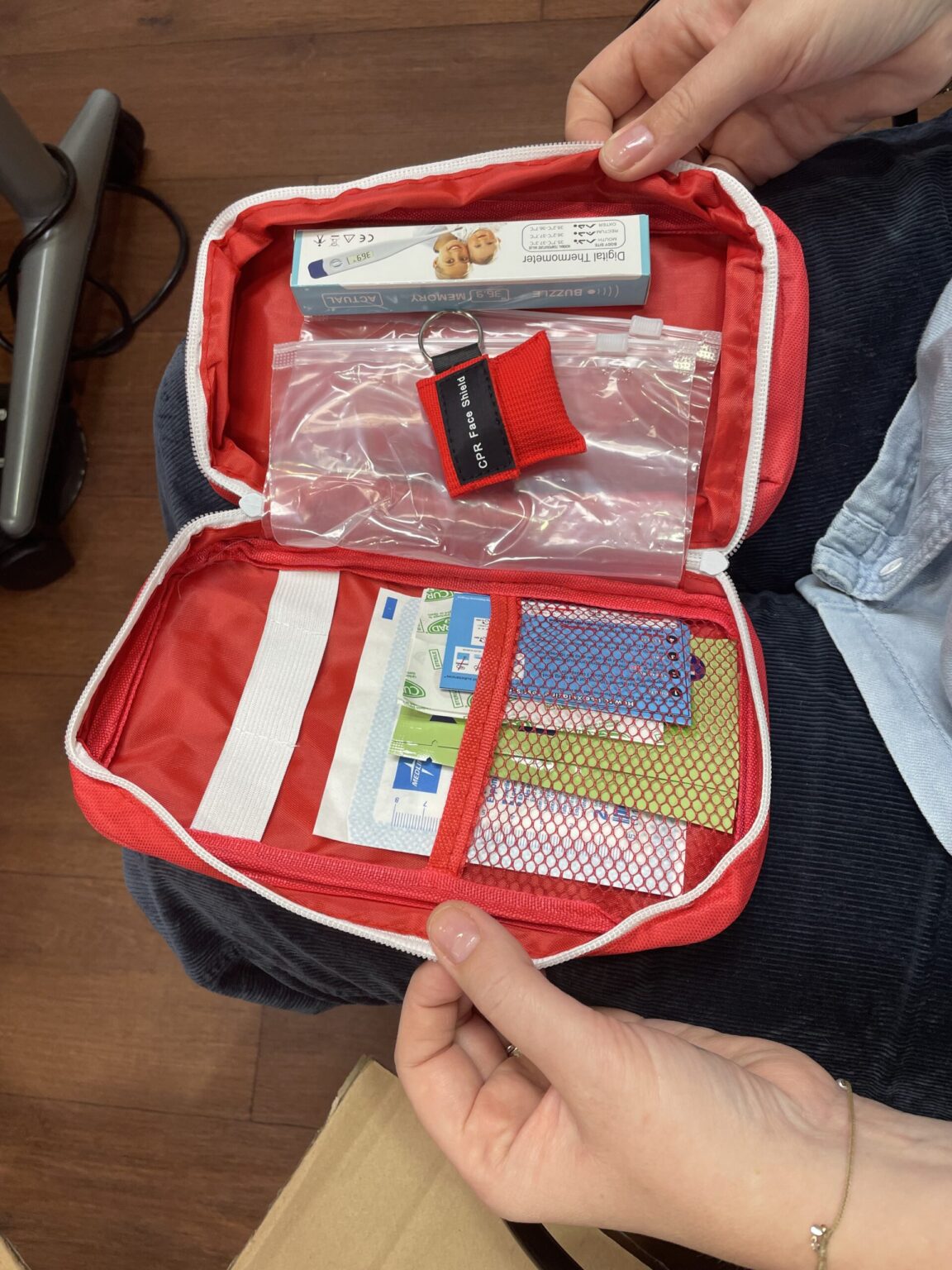
Firefly team members held a packing party at their offices at Vanderbilt One Hundred Oaks. The group created 1,500 first aid kits that will be offered to all women post-delivery at Vanderbilt Health, which sees approximately 6,000 deliveries each year.
There are 12 other hospitals in Tennessee participating in the project to provide kits to new mothers.
The first-aid kits include a digital thermometer, naloxone, fentanyl test strips, Band-Aids, a CPR mask, gauze and naloxone education cards.
“This project increases naloxone access throughout the community and makes it part of a home first aid kit,” said Young. “From other states that have done similar projects, we anticipate acceptance rate of 80%.”
The program plans to hold several packing parties to create first aid kits throughout the year.
Related