
KABUL, AFGHANISTAN – The United Nations Office for the Coordination of Humanitarian Affairs (OCHA) says that Luxembourg has contributed €300,000 to the Afghanistan Humanitarian Fund.
In a post on X on Sunday, June 7, the agency expressed its gratitude for the contribution.
OCHA said that such financial support helps ensure that life-saving assistance reaches communities facing urgent needs.
The United Nations has appealed for $1.72 billion in funding this year to assist 17.5 million people in need across Afghanistan.
However, OCHA says that only 16 percent of the required funding—equivalent to $269 million—has been secured so far.
According to the latest annual report of the Afghanistan Humanitarian Fund (AHF), an estimated 22.9 million people required humanitarian assistance, reflecting the cumulative impact of prolonged conflict, economic decline, climate shocks, and widespread poverty.
In particular, food insecurity remained a critical concern, with 14.8 million people experiencing acute hunger, while 7.8 million women and children required urgent nutritional support.
These conditions were further exacerbated by recurring drought linked to La Niña, water scarcity, harsh winters, and flooding, all of which deepened vulnerabilities across both rural and urban communities.
At the same time, Afghanistan faced increasing population pressures due to large-scale returns from neighboring countries, especially Iran and Pakistan. As a result, already fragile systems were placed under additional strain, particularly in border regions and areas of return.
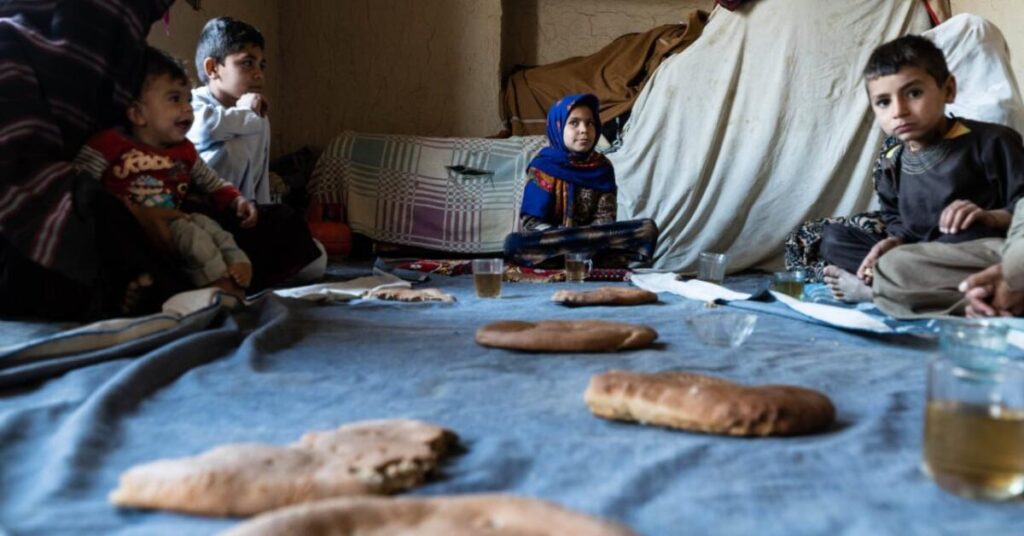
Afghanistan continues to face one of the world’s most severe humanitarian crises, with millions of people relying on aid for food, healthcare, shelter, and other basic services. Humanitarian organizations have repeatedly warned that continued funding shortfalls could force aid agencies to reduce or suspend critical programs at a time when humanitarian needs remain widespread across the country.
OCHA warned that Afghanistan’s humanitarian crisis is becoming increasingly complex as conflict, climate disasters, displacement, economic fragility, and funding shortfalls overlap. The agency stressed that sustained international support, improved humanitarian access, and coordinated regional stability efforts will be critical to preventing further deterioration and ensuring life-saving assistance reaches millions of vulnerable Afghans.