
Updated:Jun 12, 2026
 Share
ShareThat pistachio cream in your Dubai chocolate? It has a war in it.


Image Credit: The strange, dark geopolitics of the world’s most fashionable nut: from Iranian sanctions to California water wars to a TikTok craving.
For thousands of years, pistachios belonged, culturally and commercially, to the Iranian landscape. The crop is native to the region, and for decades, Iranian pistachios were the global benchmark. They moved through supply chains centred on Tehran, prized by bakers and chocolatiers for their flavour, oil content and deep culinary memory. Varieties such as Kerman and Akbari were not merely commodities. They were ingredients with identity — fragrant, rich, particular.
Today, that old order has been almost entirely overturned. The global pistachio market, valued at about $5.49 billion in 2026, is dominated not by Iran but by the United States. America now controls roughly 60 to 65 percent of global output, while Iran’s share has fallen below 20 percent. Turkey, the third major player, occupies a different but equally strategic position: producer, consumer, pastry power and, crucially, middleman.
That distinction reshaped the industry.
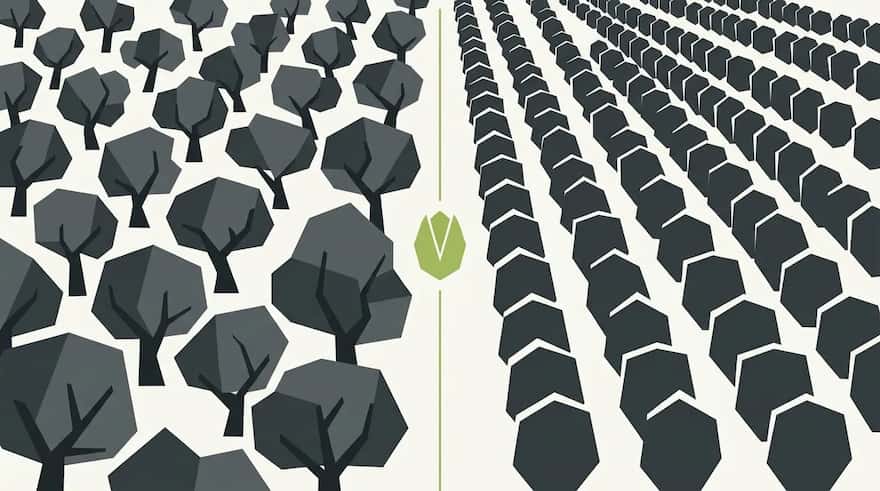
A crop once associated with Persian gardens now grows in corporate-owned deserts, sustained by contested water and defended by political lobbying. The same nut that appears in premium snack packs is also tied to drought, ecological stress and the privatisation of public resources.
For years, this fragile system held together. Iran remained diminished but relevant. The US dominated volume. Turkey held its culinary and intermediary role. Prices rose and fell. Bakers adapted. Snack companies planned. Consumers bought.
Then came the strange collision of 2026: war, climate stress and viral dessert culture.
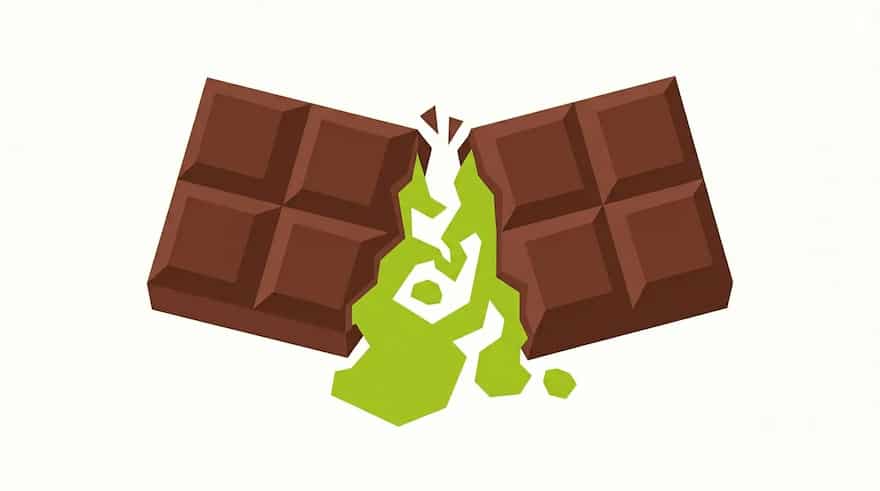
Retailers and coffee chains followed. Pistachio butter, pistachio cream, pistachio fillings and pistachio-flavoured desserts proliferated. Demand, already growing, was suddenly supercharged by the aesthetics of abundance.
The consequences moved quickly through kitchens and factories. European and Asian buyers, unable to rely on Iranian supply, pivoted toward American pistachios. But substitution was not simple. American pistachios are often bred for size, yield and logistical performance. Iranian pistachios are prized for oil content, depth of flavour and how they behave in traditional recipes. Bakers have noted that American nuts can burn drier in the oven, changing both texture and taste. In pastries such as baklava, these differences matter. A border closes, a sanction tightens, an insurance premium rises, a harvest fails — and somewhere, a pastry changes. The filling becomes less fragrant. The colour becomes less vivid. The recipe is adjusted quietly, not because the chef wanted innovation, but because the supply chain forced compromise.
In the end, the pistachio is no longer just a nut. It is a map. Crack it open, and the world spills out.