
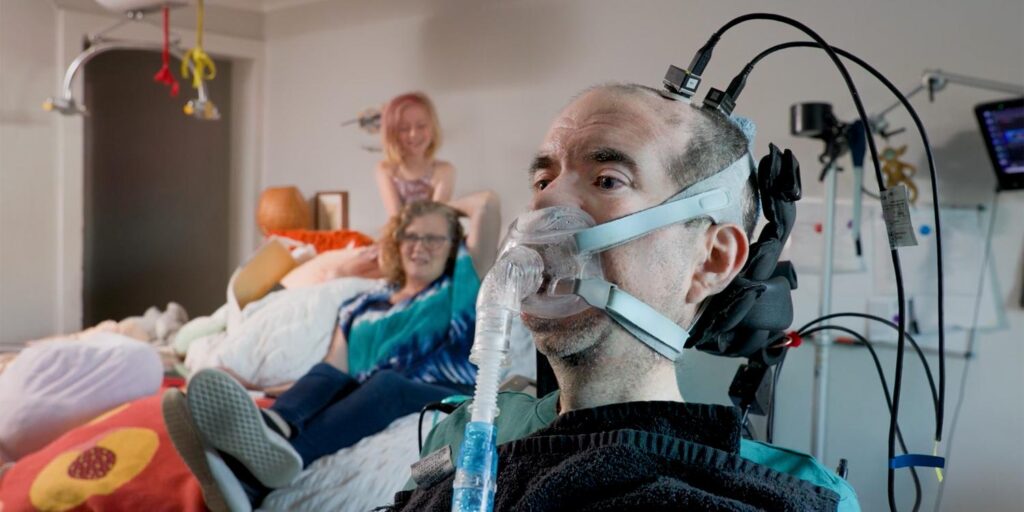
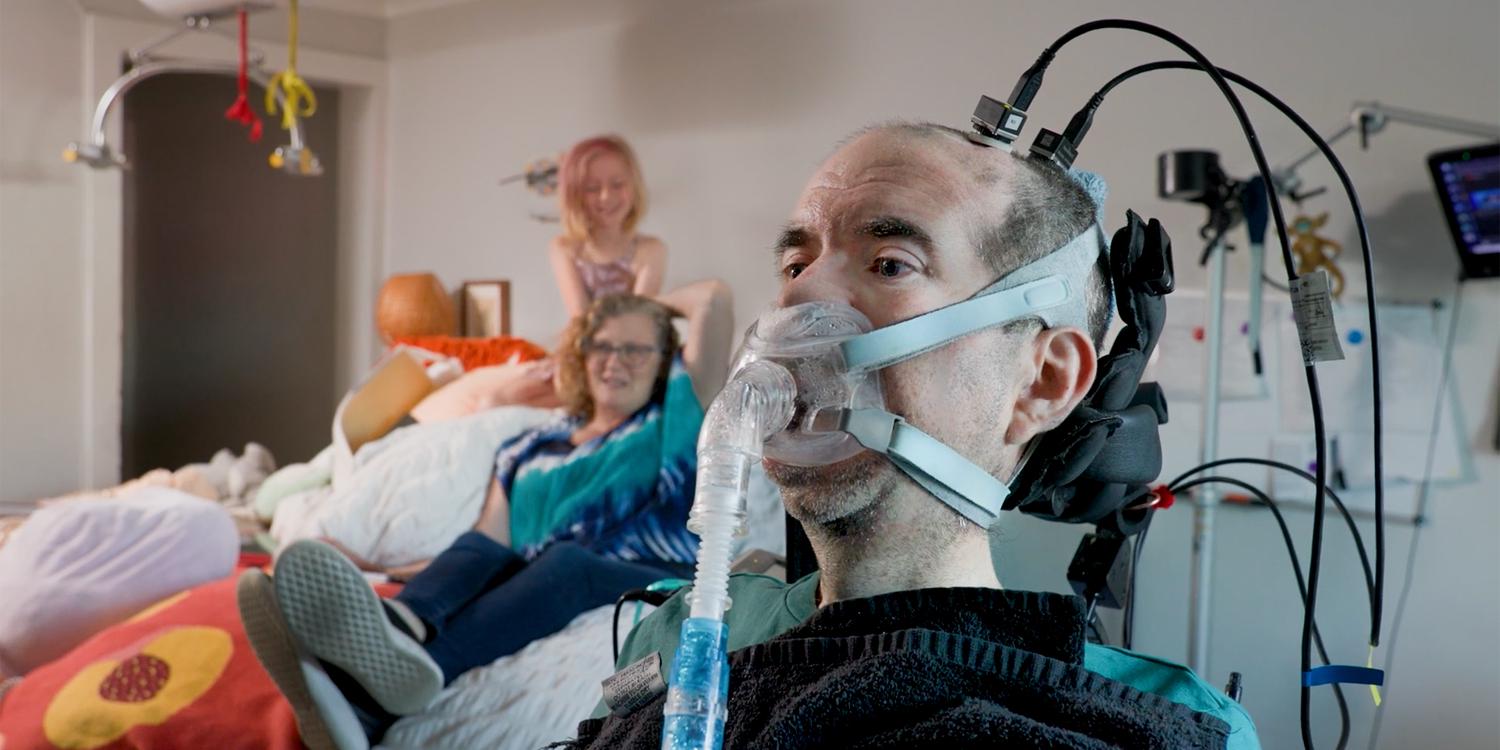
A specialized brain implant can allow a person with severe paralysis to independently communicate and operate a computer at home. Findings represent a substantial step toward creating practical assistive devices for people who have lost the ability to speak or move.
2 Comments
-A recent study published in Nature Medicine provides evidence that a specialized brain implant can allow a person with severe paralysis to independently communicate and operate a computer at home. By translating brain signals into text and computer cursor movements, the system allowed the participant to converse and work without needing daily supervision from scientists. These [findings](https://www.nature.com/articles/s41591-026-04414-6) represent a substantial step toward creating practical assistive devices for people who have lost the ability to speak or move.
Amyotrophic lateral sclerosis is a progressive neurological disease that gradually impairs a person’s ability to control their muscles. This condition often leads to a complete loss of speech and physical mobility. To help individuals with this condition, scientists have been developing brain-computer interfaces. These are systems that record electrical activity directly from the brain and translate it into digital commands.
In previous laboratory experiments, these interfaces have shown promise by allowing paralyzed individuals to type or control a cursor using their thoughts. However, these experimental systems usually required a team of technicians to set up the equipment and manually adjust the software to keep it working accurately. The neural signals recorded from the brain tend to shift slightly from day to day, requiring frequent recalibration.
“For years, BCIs have been proof-of-concept devices that lived in highly controlled research labs,” said David Brandman, co-senior author of the study and associate professor in the University of California, Davis, Department of Neurological Surgery. “This work shows that we may have crossed a threshold, by empowering a person with paralysis to speak on his own terms.” Brandman also serves as the co-director of the UC Davis Neuroprosthetics Lab.
Isn’t this what neuralink is already testing with?