
UN climate chief warns against backsliding amid geopolitics
Collected photo
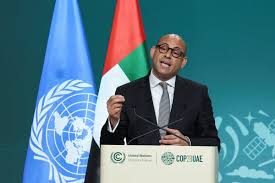
PARIS, France, June 18, 2026 (BSS/AFP) – UN climate chief Simon Stiell said Thursday countries made some progress at talks in Germany but warned against backsliding as geopolitical tensions stalk negotiations ahead of this year’s COP31 summit.
The energy crisis triggered by the war in the Middle East has fuelled calls for countries to shift away from fossil fuels and step up efforts to deploy renewable energy.
In a statement wrapping up the two-week annual conference in Bonn, Stiell said “real strides” were made on issues including ensuring a “just transition” to ensure the shift to a low-carbon economy is fair and inclusive.
He also noted that COP31 host Turkey unveiled a target to make electricity account for one-third of the world’s energy demand by 2035.
“In these areas we have moved forward strongly. In others, we have seen some side-stepping and stalling. We’ve seen geopolitical tensions washing through these halls,” Stiell said.
“We simply cannot afford to re-open previous decisions, to renegotiate existing targets, or to backslide,” he said.
He warned countries against “cherry-picking” the global commitments that “suit tactically in the moment”.
He cited commitments to science, the Paris Agreement’s ambitious goal of limiting warming to 1.5C from preindustrial levels and a pledge by rich nations to provide $300 billion in annual climate finance to developing countries.
“But in some negotiating rooms, we’ve heard a familiar tendency towards you-first-ism: Groups refusing to deliver commitments or allow the process to move forward unless others go first,” Stiell said.
Bonn is where texts are drafted and differences narrowed ahead of the decisions taken by political leaders at the UN-sponsored COP31 climate talks, which are due to start November 9 in Antalya, Turkey.
On Wednesday, delegates representing the EU, Switzerland and dozens of developing nations accused some countries of undermining the scientific consensus on global warming at the Bonn talks.
The preparatory talks had seen “coordinated attacks across the negotiation rooms by the small number of fossil fuel interests”, said Manjeet Dhakal, an adviser to the 44-nation Least Developed Countries bloc.
No country was singled out by name.
But Saudi Arabia and other oil-rich states have been accused in the past of opposing stronger climate action at the COPs, which make decisions by consensus.