
BISMARCK — North Dakota Sen. David Hogue, chairman of Legislative Management, announced on Thursday, June 25, the creation of an interim Artificial Intelligence and Data Center Committee.
“Ordinarily, interim committees don’t draw that much excitement, but I’m excited about this one,” said Hogue, R-Minot.
He hosted a press conference at 9 a.m. in the State Capitol to make the committee announcement.
AI is no longer a work of science fiction, Hogue said; it makes decisions about who gets a job, qualifies for a loan and receives certain medical treatment. It also informs many other decisions, including how children are educated and national leaders fight wars.
State legislators are scrambling to catch up with the rapid development of AI and data centers, Hogue said. As of this spring, lawmakers throughout 45 states have introduced more than 1,500 AI-related bills. In 2025, 145 AI bills were enacted into federal law.
“AI is unsettled,” Hogue said. “The law is unsaid.”
Though the Trump administration pushed for a national framework, those efforts have failed, and the decisions lie with state leadership, he said.
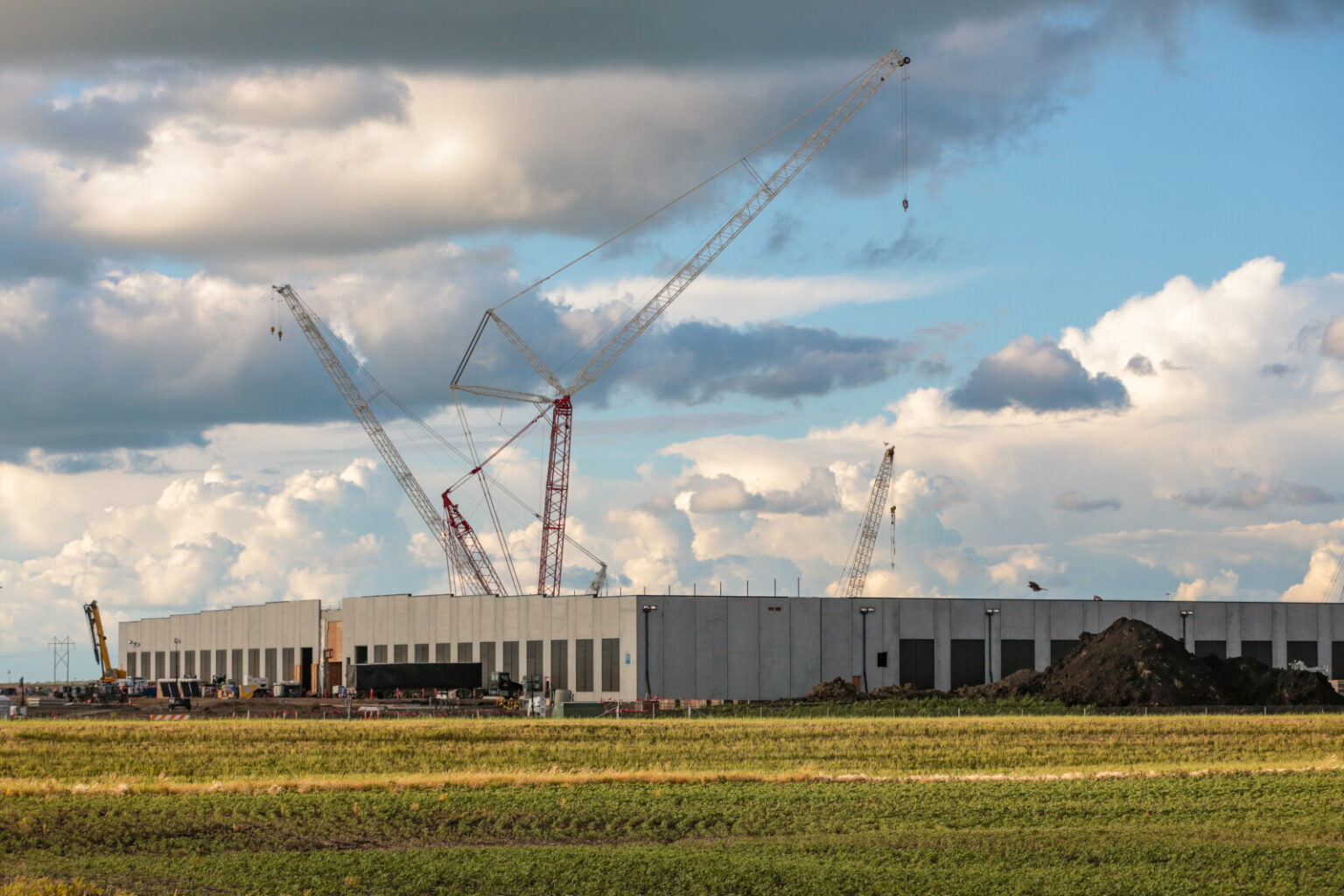
AI is only half of the equation, Hogue said. Everything runs through a data center, which creates a footprint in the community where it’s located, impacting energy consumption and production throughout the nation.
“These data centers create both economic opportunity and infrastructure challenges at the same time,” Hogue said. “The purpose of this interim committee is to develop legislative expertise with respect to artificial intelligence and data centers.”
The state Legislature only meets every other year and relies on interim periods to become educated on any emerging issues.
According to Hogue’s speech, the committee plans to focus on:
- Gathering information about state and federal laws relating to AI regulation
- Reviewing federal attempts to preempt state regulation of AI
- Considering protections against AI harm for children, as well as prohibition of AI designed to or showing signs of exceeding the control of humans
- Reviewing data center development, what drives investment into data centers and siting
- Considering economic and other interests in siting of data centers, including impacts on water and electric consumption
The committee is comprised of 10 legislators and two citizen experts. The legislators are Chairman Rep. Johnathan Warrey, R-Casselton; Vice Chairman Sen. Kyle Davison, R-Fargo; Rep. Mike Nathe, R-Bismarck; Rep. Anna Novak, R-Hazen; Rep. Todd Porter, R-Mandan; Rep. Mary Schneider, D-Fargo; Sen. Jose Castaneda, R-Minot; Sen. Janne Myrdal, R-Edinburg; Sen. Dean Rummel, R-Dickinson; and Sen. Mike Wobemma, R-Valley City.
The two non-legislative members of the committee are Dr. Mark Hagerott and Tony Clark, who are considered experts on AI and its policies, Hogue said.
Warrey said the committee plans to meet around three to five times before preparing a report and any bill drafts to submit to the Legislative Management in November. He said the first meeting will take place within the next 30 days.
