Ever After Foods Nabs $10M to Make Cultivated Meat 90% Cheaper
https://www.greenqueen.com.hk/ever-after-foods-pluri-tnuva-cultivated-meat-costs-scalability/

Ever After Foods Nabs $10M to Make Cultivated Meat 90% Cheaper
https://www.greenqueen.com.hk/ever-after-foods-pluri-tnuva-cultivated-meat-costs-scalability/
2 Comments
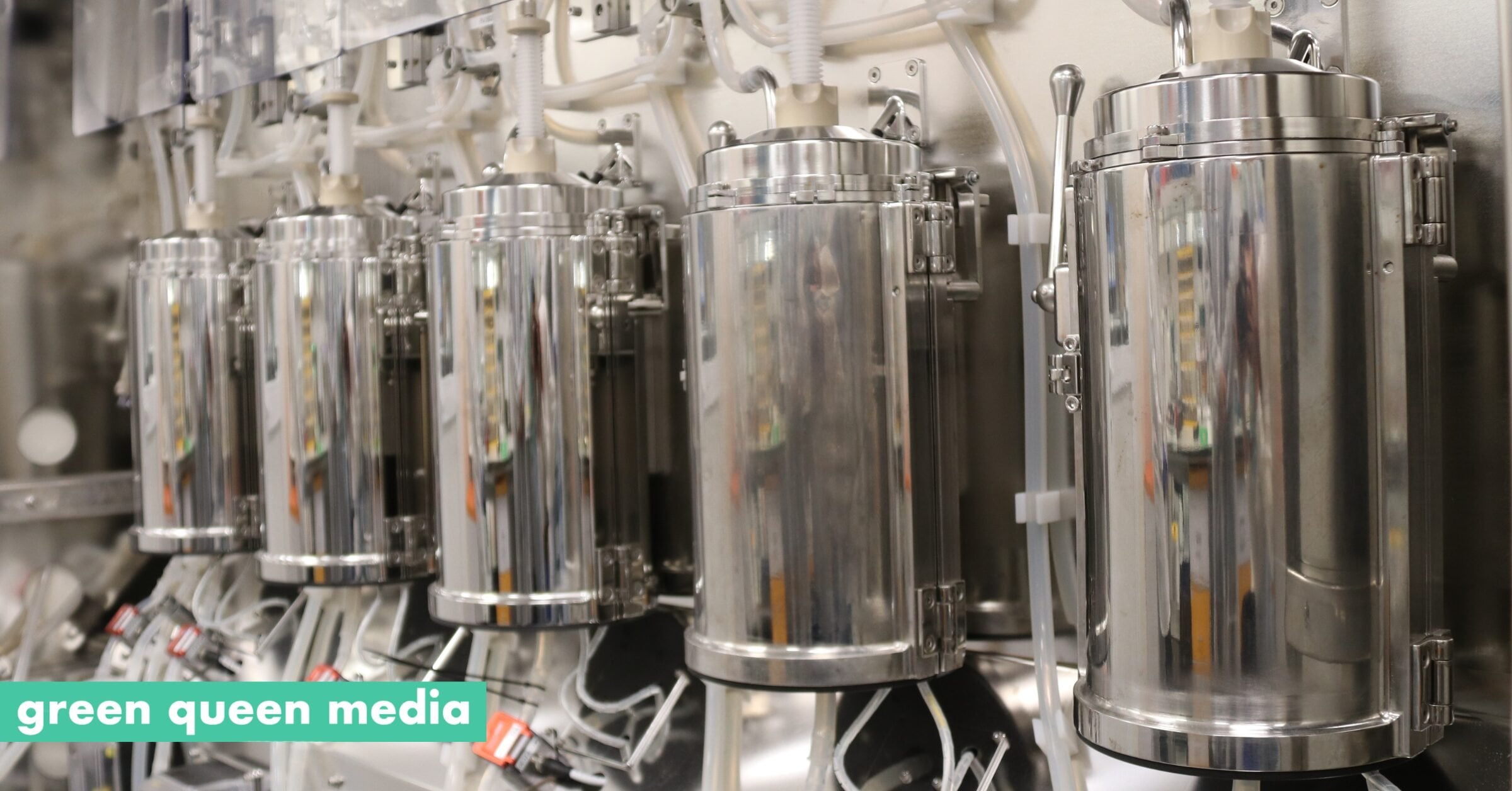
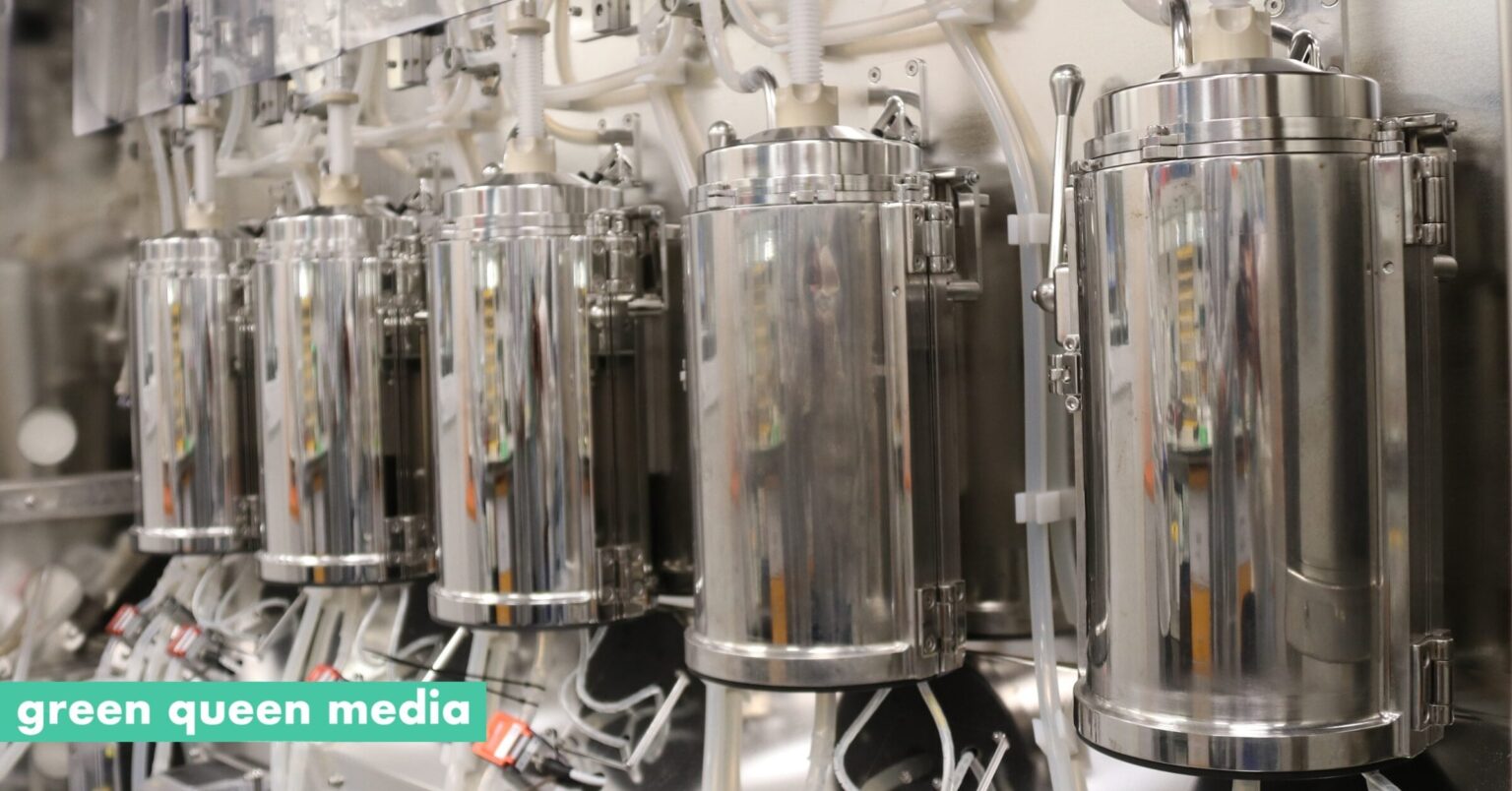
Ever After Foods has received $10M from strategic investors in the EU and the US to support its scalability platform for cultivated meat, which offers a cost-effective and highly efficient manufacturing solution for producers.
The startup launched its bioreactor platform last year, with the ability to produce 10kg of cultivated meat mass with just a 10-litre tank at the time. Since then, however, it says it has “swiftly advanced” its technology and manufacturing platform, demonstrating the natural production of muscle and fat tissues for various animal cells, hitting the taste and texture touchpoints so crucial to consumers.
This tech enables Ever After Foods to offer a 90% reduction in costs for its B2B clients, compared to “the second-best technology in the field”. Moreover, the bioreactors yield up to six times more protein and 700 times more lipids from each cell, offering better flavour and nutritional value.
The cell cultivation process is also much, much lighter on the planet than industrially raised livestock, boasting 93% less air pollution, 95% less land, and 94% less water.
Scalability and costs are two of the most pressing challenges holding back the progress of the cultivated meat industry. One investor told Reuters that these products need to reach manufacturing costs of $2.92 per pound to be price-competitive with conventional meat. But while companies have managed to bring down these costs by 99% in less than a decade, analysis by McKinsey suggests it will still take until 2030 for these proteins to become as cheap as conventional meat.
McKinsey further notes that cultivated meat companies would need over 17 times the fermentation capacity that currently exists in the global pharmaceutical industry to meet the growth demands of the industry.
By 2030, the industry is expected to produce 10,000 additional jobs (a third of which would be manufacturing roles), have more than 200 companies and over a dozen manufacturing facilities, and contribute $2.5B to Israel’s economy through exports, local wages, corporate taxes, and more.
…
Source: [https://www.reddit.com/r/betterbioeconomy/comments/1dn4tde/75m_bioeconomy_fund_precisionfermented_omelettes/](https://www.reddit.com/r/betterbioeconomy/comments/1dn4tde/75m_bioeconomy_fund_precisionfermented_omelettes/)
This is a repost, I was not able to complete the required submission text post on time yesterday.
Why does Ever After Foods remind me of *Soylent Green*? 👀