
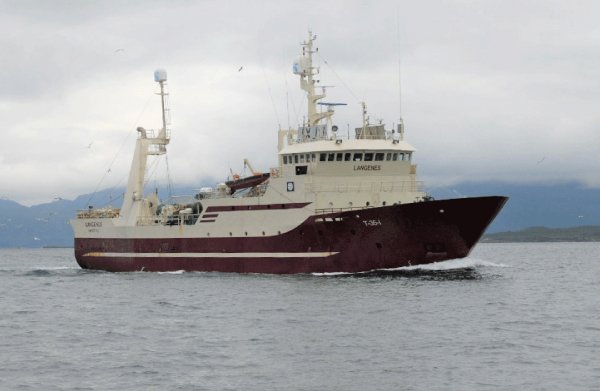
Norway’s fishing industry is facing a growing competitive disadvantage as it contends with both higher fuel costs and trade barriers than many of its international competitors, according to Fiskebåt.
In a commentary published this week, Jørn Prangerød, Director of Communications and Public Relations at Fiskebåt, warned that Norwegian fishermen risk being placed at a further disadvantage if the country’s CO₂ tax exemption for the fishing fleet expires on 1 September as planned.
According to Prangerød, Norwegian vessels bunkering fuel in domestic ports could once again face diesel costs more than NOK 4 per litre higher than fishing vessels operating in the European Union, where no equivalent tax currently applies.
Industry Warns of Competitive Gap
Prangerød argued that the consequences extend beyond domestic taxation because Norwegian fishermen compete directly with fleets from neighbouring countries.
“Not many people may be aware of it, but Norway shares 90 per cent of its fish stocks with the countries around us. We catch the same fish in the same sea and we sell them in the same market,” he said.
The concern comes as Norway also faces trade challenges in several key seafood export markets.
Norwegian seafood exports to the United States have become subject to higher tariffs than those applied to competitors, while in Japan Norwegian mackerel continues to face a 10 per cent tariff. By comparison, mackerel from the EU and United Kingdom enters the Japanese market tariff-free under existing trade agreements.
Prangerød said the combination of higher customs duties and potentially higher fuel taxes represents a “double squeeze” for the fishing and seafood sector.