
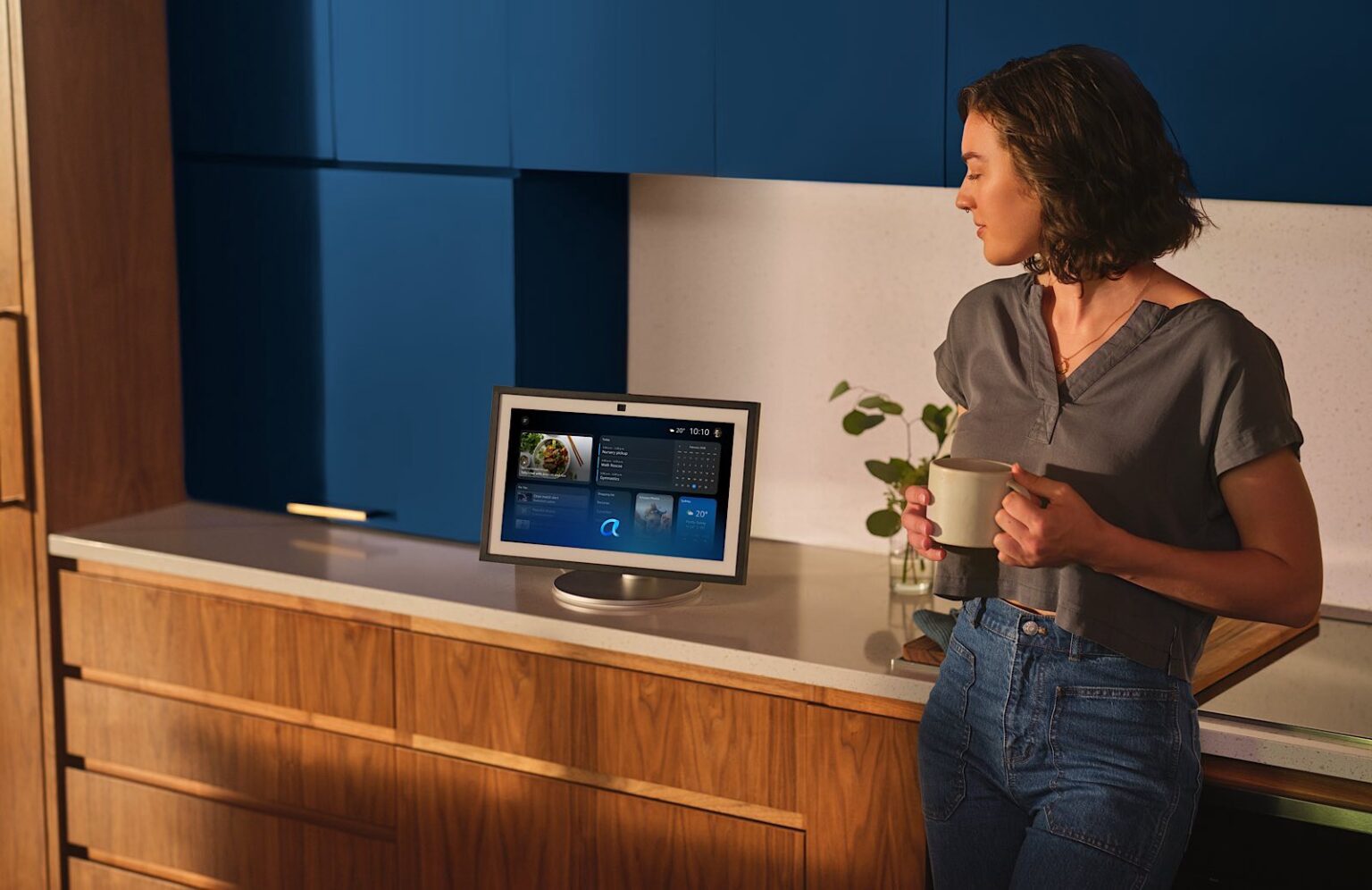
You can’t escape AI, it seems, as the technology that makes its way everywhere is also making its way into the home in more ways. There are ovens with AI in them, and these days, most TVs have AI inside, as well.
If you already have the basics of a smart home, such as a smart speaker or smart display, you possibly have an early incarnation of AI that you’re working with, but depending on the model in your life, you might soon get a little more.
Now that Google has upgraded its take on the Google Assistant in its speakers, Alexa is doing the same, rolling out a more complete assistant that can talk in conversations and potentially use generative AI in Australia.
Instead of simply asking Alexa to do things — and using routines to trigger complex functions — Alexa+ will support conversational approaches, and will effectively always be listening. You can still ask it to do things, but you’ll also be able to have it listen in the background and simply chat, or alternatively have it uses come logic to understand your preferences and act accordingly.
That may sound a little creepy, but think of it in the sense of a smart home. If the air drops and you don’t normally like a cold house, Alexa may have stored your preferences for a warmer home and work out to turn the heating for you, countering things ahead of time.

This is the idea, as is an AI that understands how you speak, a feature Amazon first talked about last year.
It’s something Amazon has reportedly spent time in, working to build an AI that understands Australian lingo, and can converse if you want the chat.
A local Amazon team has been built to make this seem more Aussie, complete with linguists, speech scientists, and engineers to build an AI that understands Australians, complete with the varied approaches to language we all have.
It can learn what you like, your musical tastes, and foods you don’t want in your life. You might opt to talk to it about your favourite team and Alexa+ will memorise that, shifting tone as you talk to it, or even as the other team wins.
And because there are other members of the home — and Echo speakers have microphones and Echo displays also have cameras — it will be able to use voice ID through the microphone and visual ID through the cameras to tailor what it says and how it communicates to other members of the home.

It will be able to connect to other Alexa-enabled smart home gadgets, joining the dots and helping make them work with what you need at the time. Heating gadgets like the Alexa-enabled Dyson fans might switch on or change temperature, while smart lighting could change their colour and brightness to help settle you into a sleeping pattern as opposed to simply keeping you awake.
That’s all the idea.
Making all of this come together is technology not dramatically different from other AI systems, but has a new architecture made for Alexa+ that can connect and personalise the service accordingly.
It will still connect to services that you may use, such as all the main music services (minus YouTube), talk to local news services, and of course your smart home gadgets, but it will effectively listen until it’s needed, a technology Amazon calls “ambient AI”.
Whether you use the ambient AI functionality to its limit, Alexa+ does seem like a push to move people to the Amazon Prime service, which covers shopping and delivery discounts, as well as its Prime video service. That’s possibly because Alexa+ will cost $29.99 per month when it rolls out, but be made available as part of what Prime subscribers pay for, and there is quite a difference in price.
Amazon Prime in Australia is $9.99 per month or $79.99 per year, while Alexa+ is priced at $29.99 per month, essentially paying Prime’s subscription in the space of less than three months.
If that doesn’t sound like a push to get you onto Prime’s subscription as opposed to Alexa by itself, we’re not sure we know what is.
Amazon does note the Alexa+ service will be available free for all Amazon customers in early access, but that shortly thereafter, it will only be free for Prime members, and cost money for everyone else.
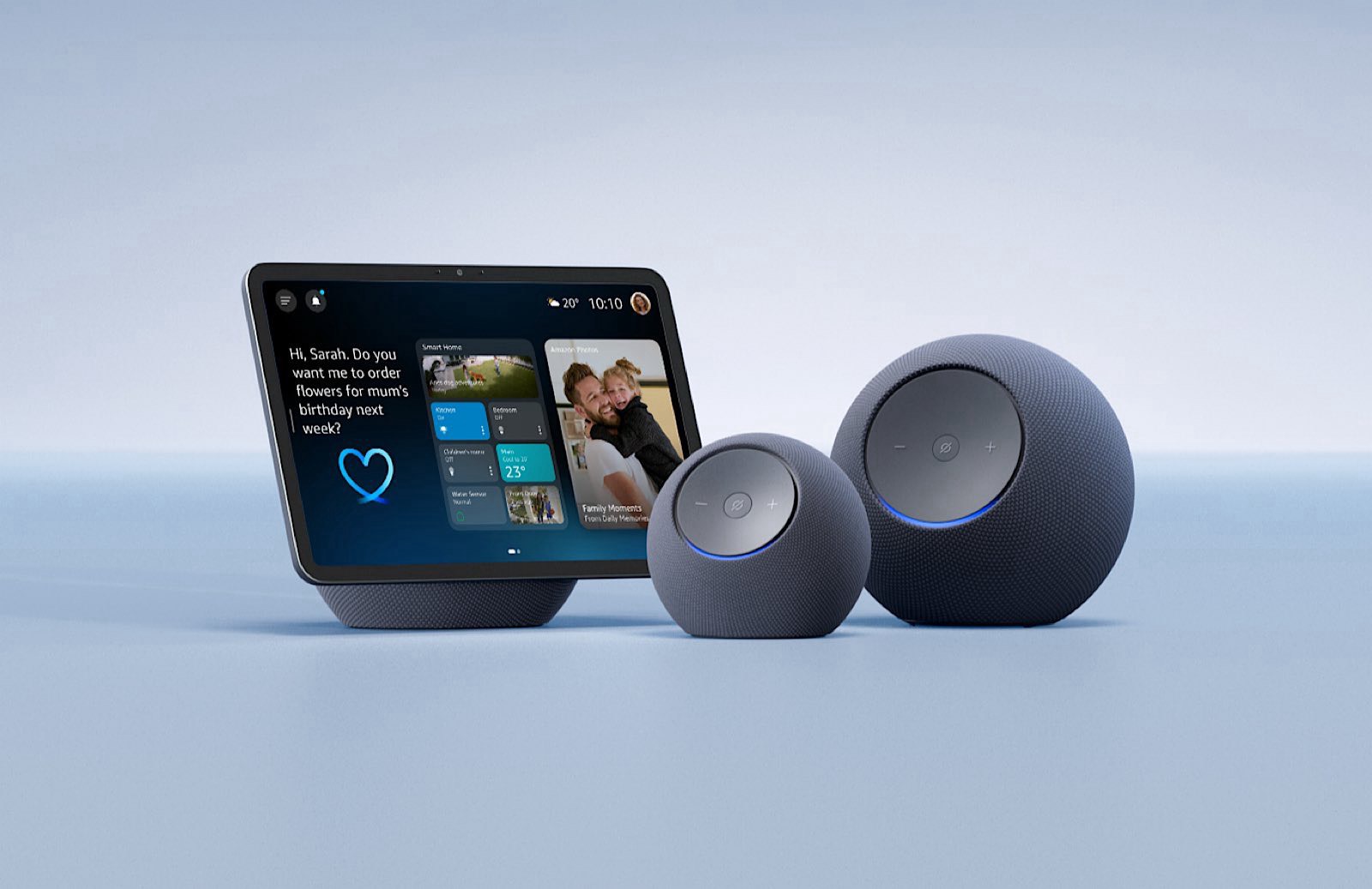
You’ll still need a somewhat recent Echo speaker to play, however, with the compatible speakers including the Dot, Dot Max, Pop, Spot, and Studio, and the Echo smart displays being the Echo Show 5, 8, 11, and 15. We’re not sure if the Alexa support through a Sonos speaker or Samsung Music Frame will be compatible, but we suspect we’ll know soon enough.
The company has said that the support does seem to go back quite a bit, however, with more than 98 percent of Alexa-supported customers in Australia owning a compatible device. If they want to try this out, it begins as an opt-in system, with invites going out over the coming weeks.