
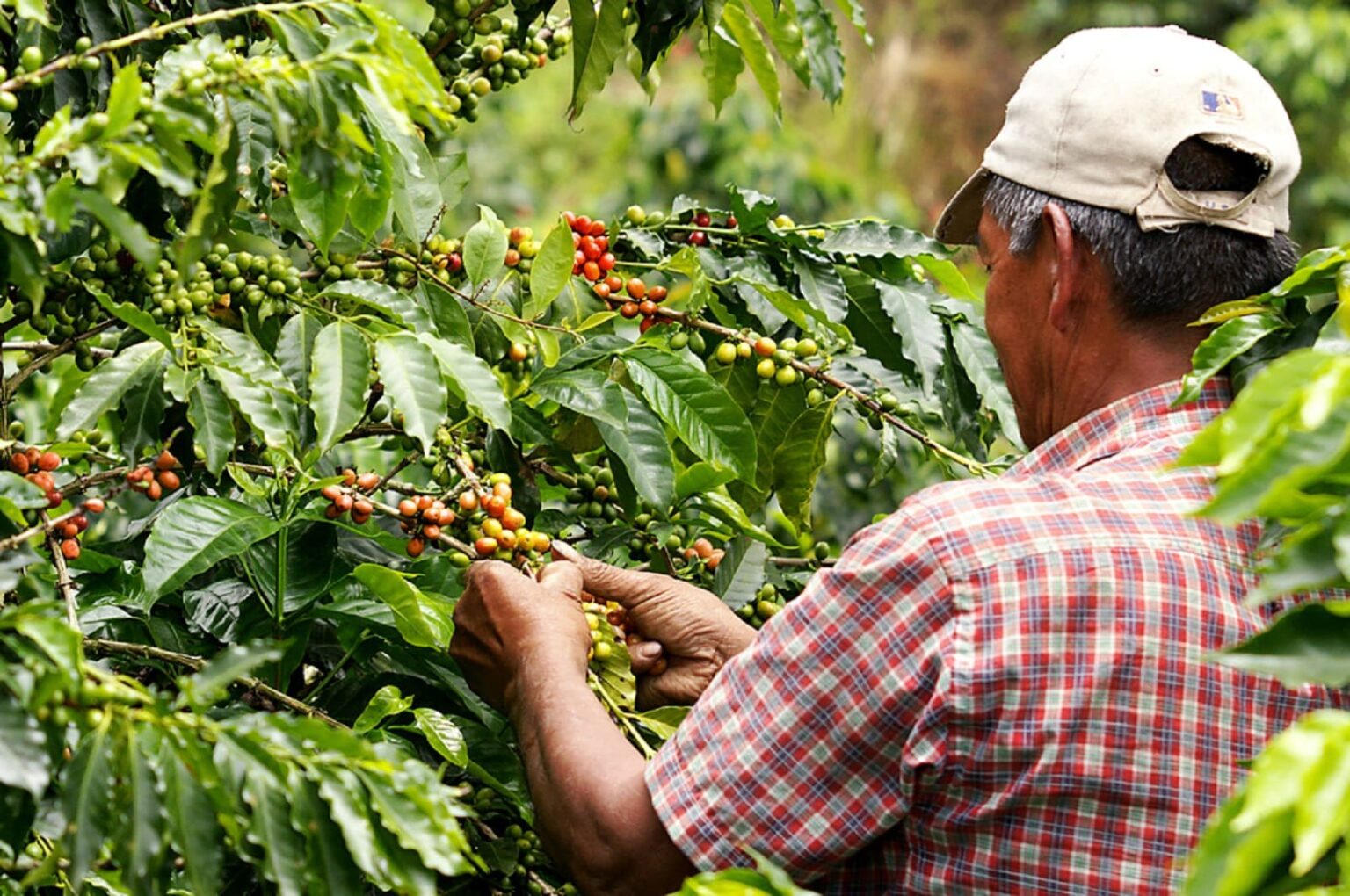

Last week’s earthquake in Colombia has compounded the climate crisis and sent prices soaring on international coffee and cocoa markets. Credit: Josep Maria Freixes / ColombiaOne.
International coffee and cocoa prices are once again facing upward pressure due to a combination of factors that is concerning producers, exporters, and buyers. The earthquake that struck Colombia last week threatens to temporarily disrupt coffee harvesting and transportation in some of the country’s main producing regions, while climate change continues to create uncertainty over the global supply of both commodities.
The situation is particularly delicate for Colombian coffee. The earthquake affected regions of the so-called Coffee Axis, where thousands of producers are in the midst of the harvest season.
Although coffee plantations have not suffered widespread damage, impacts on roads, worker mobility, and logistical operations could delay the shipment of coffee beans to international markets, at a time when extreme weather events have already reduced production in several producing countries and contributed to keeping global prices high.
Colombia earthquake, climate change push up global coffee and cocoa prices
The so-called Coffee Axis is among the regions where the earthquake has had direct consequences for agricultural activity. Caldas and Risaralda, two key departments for national production, are among the areas hit by the earthquake and account for roughly one-quarter of Colombia’s coffee production.
The main problem is not necessarily that the earthquake destroyed large areas of coffee plantations, but that it has disrupted an activity that depends on particularly vulnerable rural logistics. Harvest workers need to travel to farms, while harvested coffee must be transported quickly to collection and processing centers.
Damage to roads, bridges, and other infrastructure can turn routine trips into longer and more costly journeys. In some areas, communities are also focused on the emergency, rescue operations, and rebuilding homes, making it even more difficult to maintain the normal pace of agricultural work.
Concerns also extend to coffee shipments to international markets. The earthquake disrupted logistical operations linked to Buenaventura, one of the main departure points for Colombian coffee exports, increasing uncertainty over delivery times.
The earthquake also comes as the coffee market is already facing significant volatility. Weather has become one of the main factors driving changes in global production. The Food and Agriculture Organization of the United Nations has noted that adverse weather events in producing countries have caused significant movements in international coffee prices in recent years.
The outlook for 2026 also offers little stability. A strengthening El Niño phenomenon is increasing risks for tropical crops and threatening to bring drought, extreme heat, and excessive rainfall to different producing regions. For coffee, the effects can vary depending on the country and variety, but the overall result is greater uncertainty over global supply.
In Colombia, that climate pressure is now compounded by the effects of a natural disaster that struck some of the very areas where high-quality coffee is produced. The combination of lower availability, logistical difficulties, and concerns over further disruptions could quickly spill over into international markets.
Consulte aquí el precio interno de referencia para la compra de café pergamino seco, hoy 1️⃣9️⃣ de agosto 👉🏽https://t.co/8y3wHgA7eD pic.twitter.com/2DKjIeSmAy
— Federación Nacional de Cafeteros (@FedeCafeteros) August 19, 2026
Cocoa also faces a vulnerable market
Cocoa is experiencing a similar situation, although the earthquake’s direct impact on its production is smaller than in the case of coffee. The commodity is entering 2026 after several years marked by severe supply problems, particularly in West Africa, where a significant share of global production is concentrated.
Extreme weather conditions have reduced yields and increased uncertainty. The FAO has documented how poor weather and crop diseases contributed to the sharp increase in cocoa prices during 2023 and 2024.
Experts also warn that climate change could deepen this trend. A recent analysis by S&P Global estimates that climate change could account for between 10% and 30% of coffee and cocoa production gaps in Latin America and West Africa under moderate warming scenarios.
The result is a market that is increasingly sensitive to any disruption. For Colombian coffee, the earthquake adds an immediate problem to a long-term climate threat. For cocoa, production difficulties in other regions are keeping pressure on prices elevated.
Thus, a geological event localized in Colombia ends up having repercussions beyond the affected areas. In a global market where reserves are limited and crops increasingly depend on unpredictable weather conditions, any disruption can quickly become an additional factor putting pressure on coffee and cocoa prices.
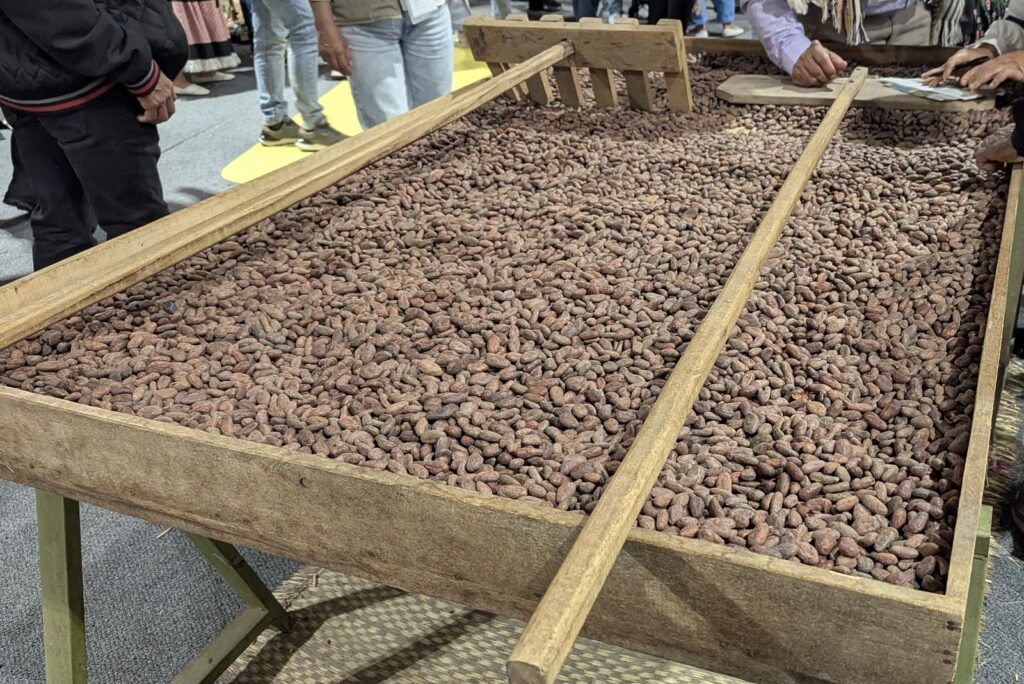
Cocoa prices on international markets, like those for coffee, are also rising due to the combined effects of the Colombian earthquake and the climate crisis. Credit: Josep Maria Freixes / ColombiaOne.