The AI prison of the future is just an Outer Limits episode
https://www.engadget.com/the-ai-prison-of-the-future-is-just-an-outer-limits-episode-200937257.html

The AI prison of the future is just an Outer Limits episode
https://www.engadget.com/the-ai-prison-of-the-future-is-just-an-outer-limits-episode-200937257.html
5 Comments
Submission statement from article:
>According to the Prison Policy Institute, the US has a higher incarceration rate per 100,000 people in its population than any other NATO country and it’s even higher than the next five member states combined (the UK, Portugal, Canada, France and Belgium).
>
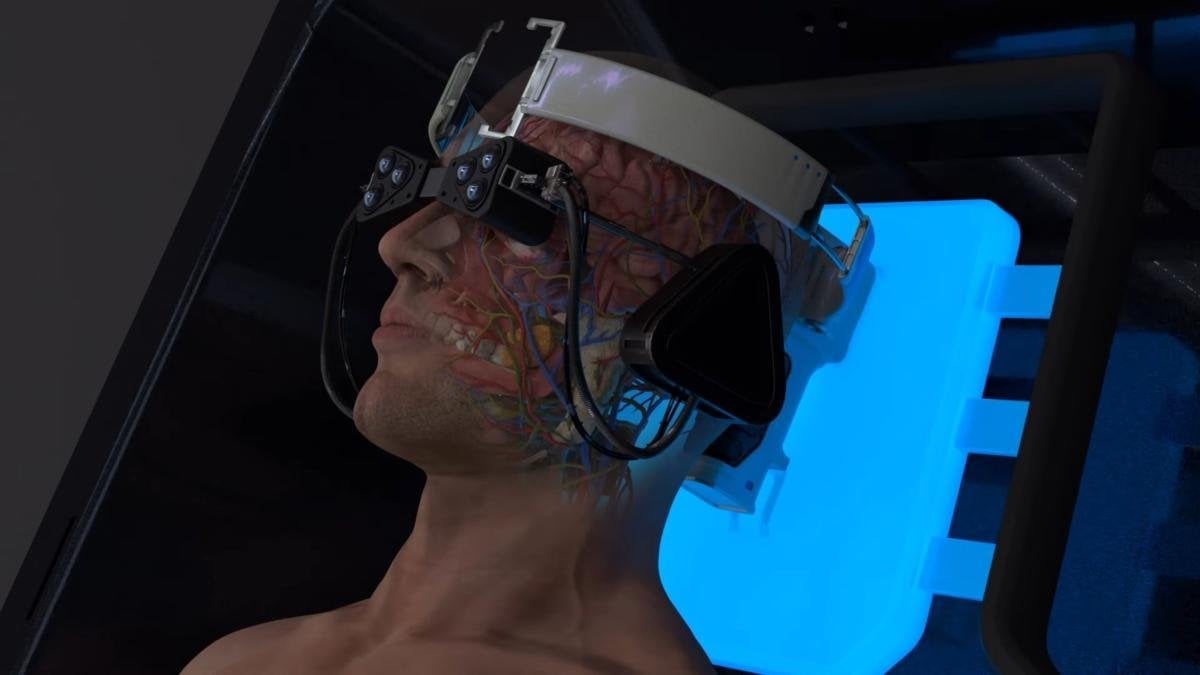
>So what’s the solution? Hashem Al-Ghaili, a molecular biologist and science communicator from Yemen, claims he’s got it in an interview with Wired: build a virtual prison instead. He’s not talking about stapling a bunch of Meta Quest 3’s to prisoners’ heads for years at a time, but it’s also not far off from that concept.
>
>….
>
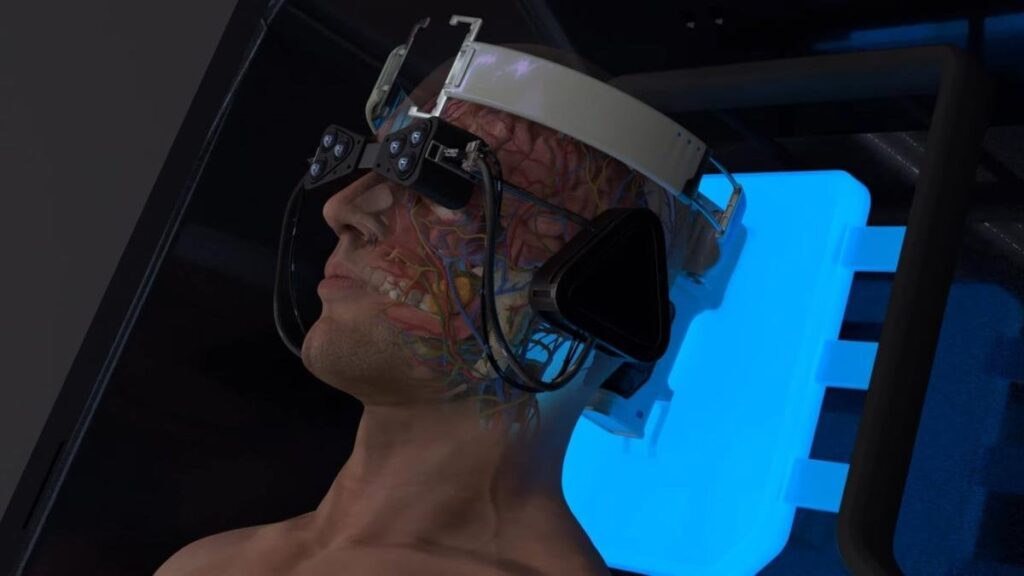
>Here’s how Cognify works in a theoretical nutshell — Instead of locking prisoners up for long periods of time, prisoners would be subjected to artificial memories in a virtual environment. The system creates customized AI-generated content that’s converted to visual information and delivered to the prisoner’s brain as well as the parts of their DNA and RNA linked to memory formation to establish a long term memory pattern.
>
>Currently, such technology does not exist and Cognify is only a proposal. However, Al-Ghaili claims that experiments conducted on animals prove this process could work on humans at some point in the future. For instance, a study published in March in the scientific journal Nature in March that used mice as its test subjects found that memories are possibly formed by broken and repaired strands of DNA.
I’ve done 50 years in prison and I’m 25 years old. Weird.
Or Deep Space Nine.
It’s one of the many ways O’Brien must suffer.
How are they going to monetise prisoners who only have the memory of prison time?
The combined of these countries is roughly 200 million. The U.S. population with all the people recently let in is closer to 400 million.