


Emilynorton/Getty Images
Solar farms not only provide a reliable source of energy, but they also change their surrounding environments. Most of these alterations are beneficial, encouraging plant growth in solar farms in deserts and increasing the abundance and diversity of native plants. However, not every change is positive, as while sunlight isn’t a limited resource, the real estate it covers sure is, and that has a direct effect on the environment.
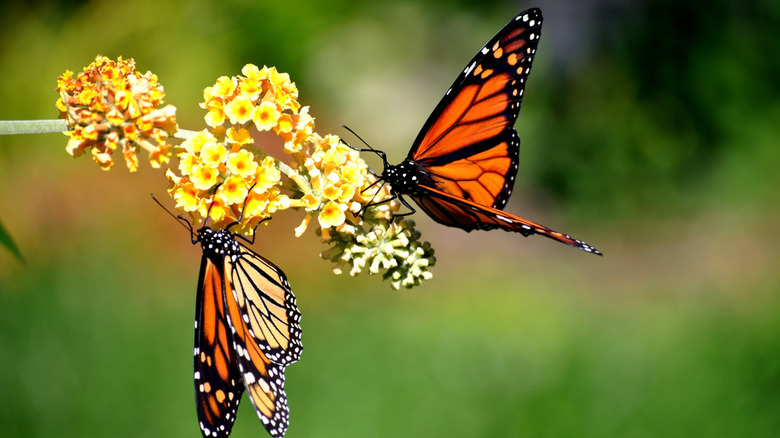
In 2025, a team of researchers published a study on the effects solar panels have on pollinators (e.g., bees and butterflies) and the plants they frequent in Southern France. According to the paper, which was published in Biological Conservation, plants underneath the panels of 20 solar farms saw anywhere between 76% and 86% fewer pollinators when compared to plants nowhere near the solar panels. Not all pollinating plants within solar farms were affected the same way.
Researchers noticed that “inter-row” plants (the plants between the rows of solar panels) saw plenty of pollinators, just not as many as those outside of the solar farms. The general consensus is that shade correlated directly with the findings. Plants that saw constant shade underneath the solar panels saw few pollinators; plants that experienced partial shade between the panel rows were visited by some pollinators, and plants with little shade experienced the most pollinator traffic.
What’s good for the goose isn’t always good for the gander

Coldsnowstorm/Getty Images
While the results sound cut and dry, they have certain intricacies that some people might not notice. For example, while the number of pollinators interacting with plants saw a steep decline, the actual number of pollinators didn’t drop as much. Combined with the aforementioned connection between shadow levels, researchers have several theories regarding the hows and whys. As solar panels produce a ton of shade, they also reduce the ambient temperature. Crop workers certainly notice this change, and the researchers believe pollinators do as well.
According to the paper, pollinators generally avoid areas with lower temperatures and shade, so they will steer clear of plants within these “microclimates.” Moreover, constant shade isn’t really conducive to diverse, burgeoning plant populations, so while you can find pollinating flowers in these areas, bees and butterflies don’t find them as appetizing as those in locations with more constant sunshine. The theories don’t just end with the shade serving as the prime suspect.
Another hypothesis states that solar panels unintentionally create a “physical barrier” that blocks or restricts butterfly movement, as the animals are highly sensitive to environmental changes. Another theory ties into the negative effects of the shade. Solar panels alter the moisture levels of nearby soil, which reduces the amount of pollen and nectar plants produce. Even if a pollinator interacts with a plant in solar panel-shaded ground, the flower will be anemic compared to those found in greener, more verdant pastures.
A plan for pollination
Sally Hunter/Shutterstock
While the study confirms many of the researchers’ findings, the data threw several curveballs. For instance, grazing used to maintain the grounds hit the abundance of pollinators even worse than mowing – the exact opposite of what scientists hypothesized. Still, the researchers involved believe they can find ways to mitigate the impact solar panels have on pollinators. They just need more time and data.
Going forward, the scientists want studies to focus less on successful pollination attempts and more on how insects go about their pollination business, ideally on a per-species basis. The more information future studies collect, the more researchers will understand precisely how solar panels impact their microclimates and, in turn, how they disincentivize pollination within their borders. As Europe is planning to continue building solar parks, the researchers believe these future installations could pose a potential threat to pollinators and pollination.
However, without the aforementioned information, scientists will have no idea how to mitigate the problem. How can engineers and groundskeepers manage solar farms to make them “pollinator-friendly”? What is the best way to avoid “net loss of pollinator biodiversity?” Without more data, any potential solutions run the risk of causing even more harm — not unlike how researchers believed grazing grass wouldn’t harm pollinator abundance until it actually did.