

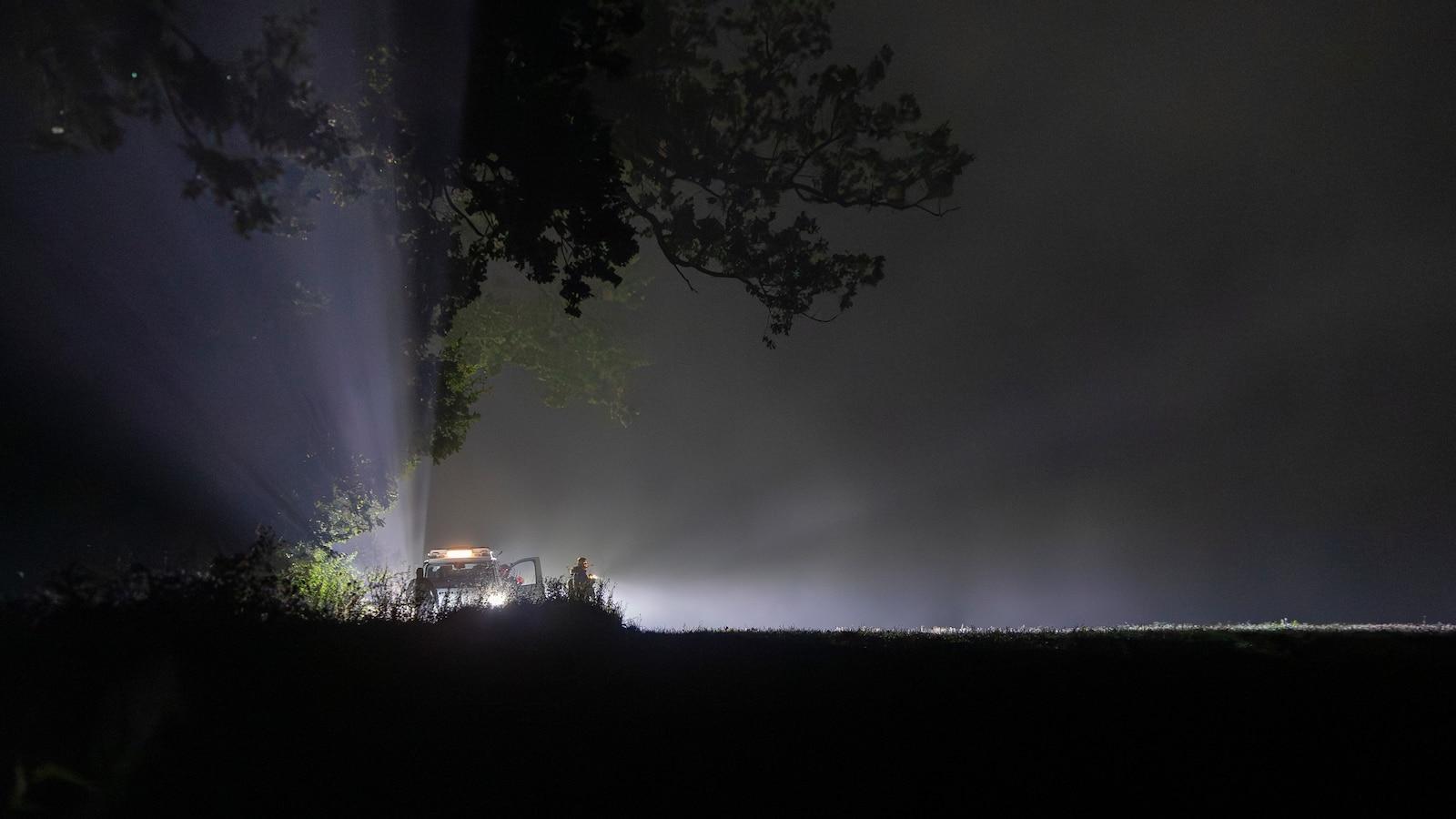
The drone most likely entered from Belarus and remained in Lithuanian airspace for about 30 minutes before being intercepted, according to Vilmantas Vitkauskas, head of the crisis center, speaking to Lithuanian public broadcaster LRT.
 ABC News
Lithuanian Defense Minister Robertas Kaunas wrote on Facebook that an explosive device was detected on the drone and neutralized by bomb-disposal experts, while the BBC reported that the drone debris would be collected and examined to determine whether it was armed and whether it was launched deliberately.
In a separate incident in the Baltic Sea, Denmark said a Russian frigate fired two flares at a Danish helicopter conducting surveillance near the port of Gedser, and NATO Secretary-General Mark Rutte said strikes close to NATO territory showed Vladimir Putin’s “desperation and also his desire to sow fear and terror.”
Left out by 9 of 11who reported it
Crosetto says strikes near NATO territory increase support for Ukraine. Reported by Sentinel Colorado and NPR.
Italian Defence Minister Guido Crosetto told reporters at Siauliai Air Base that “Last night, again, the Italian pilots have intervened and they have shot down a threat that most probably came from Russia,” as Lithuania’s Defence Minister Robertas Kaunas thanked Italy and said debris would be examined.
Lithuanian President Gitanas Nauseda wrote on X that “A drone that just entered Lithuanian airspace was destroyed by NATO fighter jets,” while the BBC said the origins of the drone were yet to be determined and that it was thought to be the first time a Nato jet had shot down a drone in Lithuanian airspace.
Denmark’s Foreign Ministry called the flare incident “completely unacceptable” and said the Russian ambassador was summoned, and Russia’s ambassador to Denmark, Vladimir Barbin, said it was “not the first time” that Danish Air Force helicopters had “carried out dangerous maneuvers near Russian warships.”
Ursula von der Leyen, head of the European Commission, said the incidents in Lithuania and Denmark were “part of a broader pattern of Russian aggression and provocation against Europe, testing our readiness and our resolve,” as the Kremlin declined to comment through presidential spokesperson Dmitry Peskov saying he did not have details.
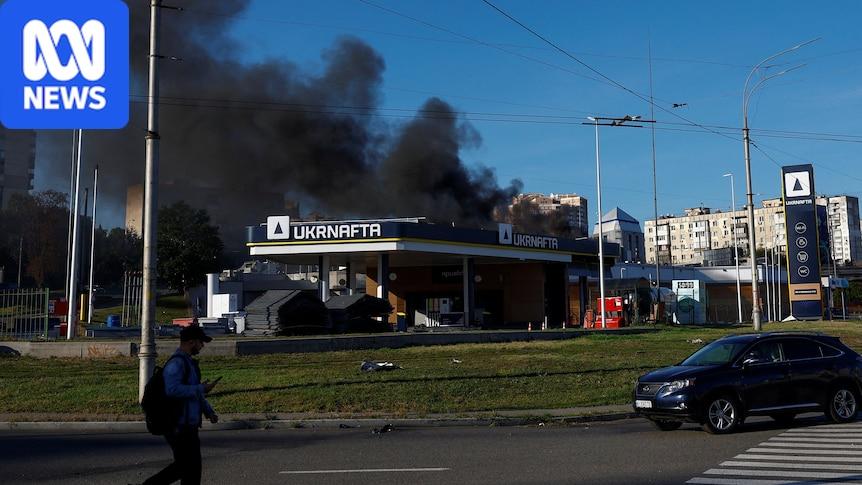
Ukrainian President Volodymyr Zelenskyy said Kyiv was “ready to support de-escalation” if the United States could ensure “Russia is genuinely ready to stop this war,” but he also said Moscow continued to attack Ukraine’s energy sector, logistics and critical infrastructure and that Kyiv responded by striking an oil refinery in Syzran.
In Europe, Poland’s deputy prime minister Radosław Sikorski said the Kremlin’s frozen assets in Europe “are never going back to Russia,” and he argued they can be used as war reparations or to help Ukraine rebuild.
Sikorski also said the EU has frozen about €210bn of Russian Central Bank assets since February 2022, with about €185bn held by Euroclear, while the European Commission Vice-President Kaja Kallas warned that Europe must impose a greater cost as Russia intensifies “hostilities against Europe” and “hybrid attacks.”