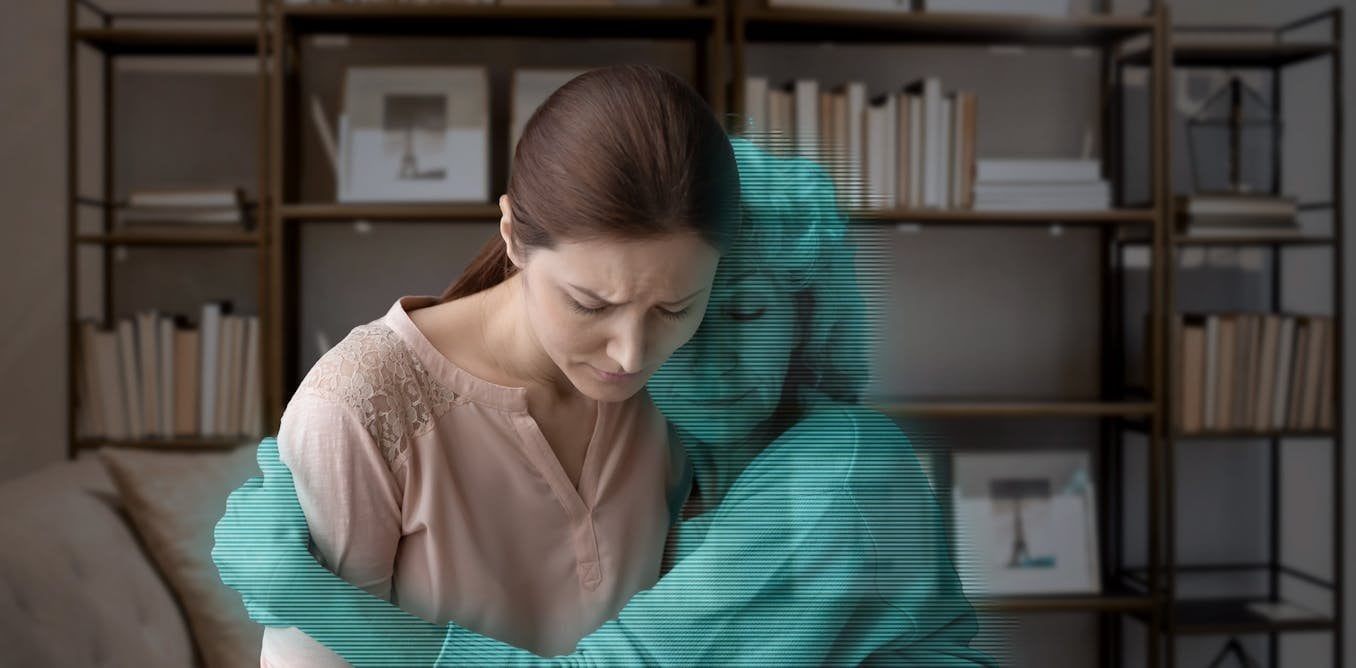
An eerie ‘digital afterlife’ is no longer science fiction. So how do we navigate the risks?
https://theconversation.com/an-eerie-digital-afterlife-is-no-longer-science-fiction-so-how-do-we-navigate-the-risks-231829

An eerie ‘digital afterlife’ is no longer science fiction. So how do we navigate the risks?
https://theconversation.com/an-eerie-digital-afterlife-is-no-longer-science-fiction-so-how-do-we-navigate-the-risks-231829
1 Comment
Imagine a future where your phone pings with a message that your dead father’s “digital immortal” bot is ready. This promise of chatting with a virtual version of your loved one – perhaps through a virtual reality (VR) headset – is like stepping into a sci-fi movie, both thrilling and a bit eerie.
As the digital afterlife industry grows, it raises significant [ethical](https://www.nature.com/articles/s41562-018-0335-2) and [emotional challenges](https://www.psychologytoday.com/us/blog/mind-brain-and-value/202009/the-psychology-the-digital-afterlife). These include concerns about consent, privacy and the psychological impact on the living.
I’d love to hear if people want a future “life” after death. I was fascinated by the case of ALS sufferer Dr Scott-Morgan, who transitioned into the world’s first full cyborg – called Peter 2.0 and always wondered if he’d establish a digital presence after death.
But I’m also not sure about whether it helps the living. My twin committed suicide a long time ago and my mother’s grief is still profound. I can imagine her signing on to some of these services.