
NMN is widely associated with healthy longevity. It reportedly does so by increasing nicotinamide adenine dinucleotide (NAD+) levels.
NMN supplementation in preclinical and clinical settings has been reported to improve red blood cell parameters, motor function and muscle recovery and is anti-inflammatory.
In Japan, it is also a highly popular supplement ingredient. A search for “NMN supplements” on the e-commerce platform Rakuten yielded 4,015 listings.
NMN can also be used in Foods with Function Claims (FFC) in Japan. Based on the FFC database Plusaid, examples include NMN (Assist Walk) by MCLS and Assist NMN 360 by Kobayashi Perfumery Co. Ltd. The former could make functionality claims related to maintaining walking ability in middle-aged and elderly individuals and the latter for improving sleep quality in middle-aged and elderly people and assisting walking speed.
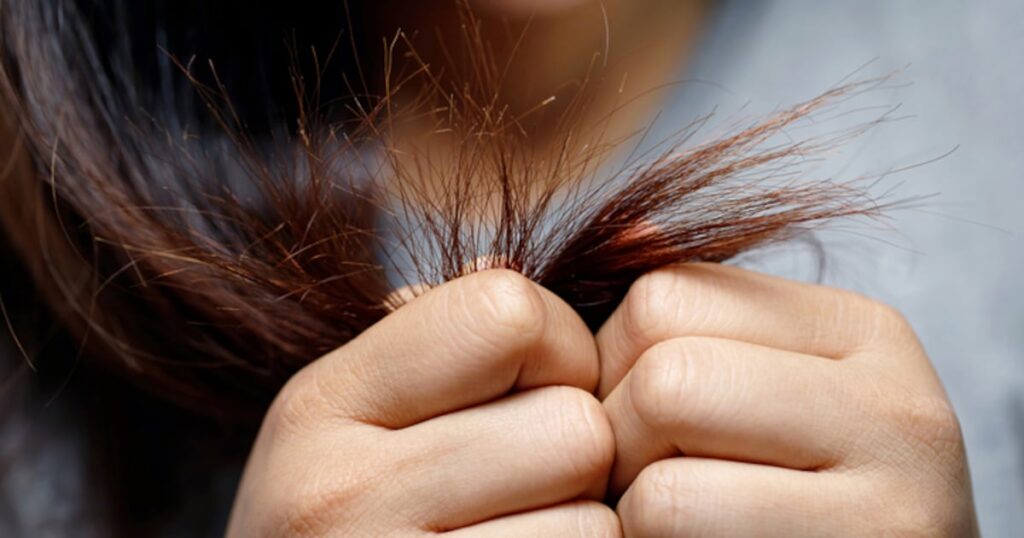
On top of its well-established benefits, MCLS is highlighting new evidence on NMN supplementation for improving hair diameter, thickness, length and texture, based on recent study findings published in Cosmetics.
Customer feedback highlights potential for hair
Speaking to NutraIngredients, Yosuke Morita from the Sales and Marketing Group, Nutrition Business Division, said that the company’s interest in NMN for hair health came from consumer feedback on its product NMN fáinə, which has a recommended daily dosage of 250mg.
“Feedback from consumers who have used finished products containing our NMN ingredient was first and foremost the reason for us to dive deeper into NMN supplementation and its effects on hair health,” he said. “Some consumers have reported subjective effects on how their hair condition has improved, which was why we decided to conduct a study to validate and prove the effects objectively.”
Said to be the first NMN clinical trial assessing hair health, the 12-week study reported significant improvements in anagen hair elongation density and hair diameter when NMN was taken at 500mg daily. The pilot study involved 15 Japanese women aged 40 to 50.
Based on the findings, he said some customers have begun developing NMN products supporting hair health.
He added that NMN is already one of the most popular ingredients among OEM companies manufacturing nutraceutical products. With the new hair health findings, the company has been trying to develop new concepts such as beauty-from-within for NMN, he added.
“NMN is recognized and accepted by Japanese consumers. According to an industry publication, in the past two years, NMN was ranked top two in functional ingredient ranking and is as popular as lactic acid bacteria among the OEM companies,” he said, citing reports from Kenko Sangyo Shinbun.
Outside Japan, the company is already selling NMN as an ingredient in Southeast Asia and plans to launch it in the US next year.
Cysteine peptides as glutathione alternative
At the show, the company also showcased findings on its cysteine peptides ingredient, specifically the effects on skin health.
A five-week clinical trial involving 90 adults reported that daily supplementation with 48mg of cysteine peptides could suppress UV-B-induced erythema and pigmentation. Findings were published in Scientific Reports.
While glutathione is known for its skin-brightening effects, Morita said that the ingredient was classified as a pharmaceutical ingredient in Japan and cannot be used in food supplements.
“Glutathione is popular among Japanese consumers, but since it is classified as a pharmaceutical ingredient and cannot be used in food supplements, we have been trying to develop another food ingredient that can be used for skin health,” he said.
Last December, the company also secured FFC functionality claims for its cysteine peptides ingredient, namely antioxidative capability and protection of the skin from UV damage.
“Based on the Foods with Function Claims system in Japan, our cysteine peptides, when used as a functional ingredient, can be labelled with the health claim: This product contains cysteine peptides with antioxidant properties, which help protect the skin from UV damage. We believe this is also one of the reasons it has attracted attention from the industry,” he added.