
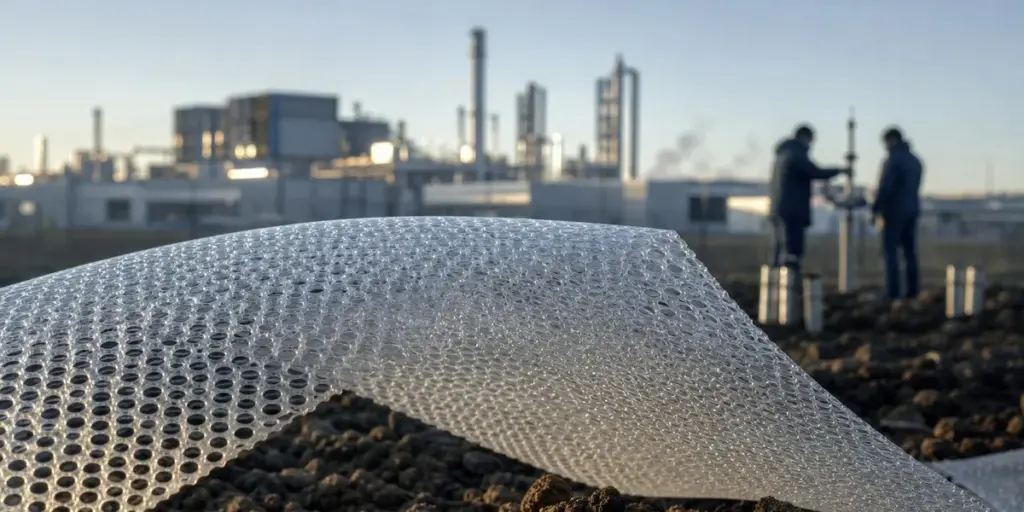
In Debrecen, eastern Hungary, a plant operated by Chinese company Semcorp that produces battery separators has remained shut down for a fifth month after tests detected toxins in the soil near the facility. Separators are thin membranes that divide the positive and negative poles of a battery. The Japan Times reports.
Semcorp said that the initial result that led to the plant’s shutdown was the consequence of a laboratory error. The company spent about $500,000 on drilling wells and retaking soil and groundwater samples across the entire facility. At the same time, the government district office said it may review the case after the sampling program is completed, while production can resume only after the materials are approved by the environmental authority.
Tightening environmental oversight
The government of Hungarian Prime Minister Peter Magyar plans to establish a new environmental protection body. It will be able to impose fines of up to 5 billion forints, or $15 million, on large companies if they violate regulations three times within five years.
More current news is available on the UA.News Telegram channel Telegram.
Hungarian authorities have already fined two plants of South Korean company SK On, suspended production at part of the facility of South Korean cathode-material producer EcoPro, and completely shut down the Semcorp plant. During the election campaign, Magyar promised to investigate the environmental consequences of the battery industry’s expansion and introduce stricter standards.
Risks to supply chains
Semcorp produces 40% of the world’s battery membranes. Its plant in Debrecen is one of the few such suppliers outside China, and its products are used in battery production in Europe and North America. A source familiar with the situation reported supply disruptions at one of LG Energy Solution’s facilities in Georgia. LG Energy Solution said it follows a diversified procurement strategy and is not fully dependent on Semcorp’s Debrecen plant.
The tighter oversight comes amid growing automotive production in Hungary. According to official data, industrial output in September grew at the fastest pace in four years, primarily due to the automotive sector. BMW’s plant in Debrecen switched to a three-shift schedule this month to produce a new electric model, while China’s CATL started trial production at its large facility next to Semcorp.
Read us on


Download our app


