
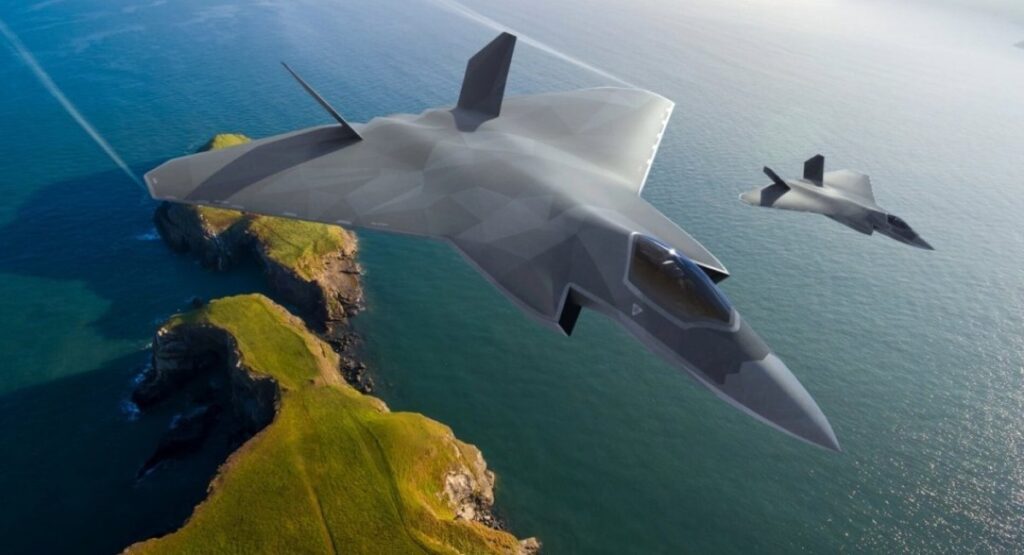
Britain is trying to pull Germany into GCAP sixth-generation fighter development project. However Japanese partners became concerned over such plans and note that in that case British would have to give up their own share.
As Asahi.com writes, during summit with Japanese Prime Minister Sanae Takaichi, German Chancellor Friedrich Merz stated countries could cooperate in developing aircraft under GCAP program.
Read more: Why Did russia Use Mostly Conventional Shahed Drones in Its Latest Attack on Ukraine?
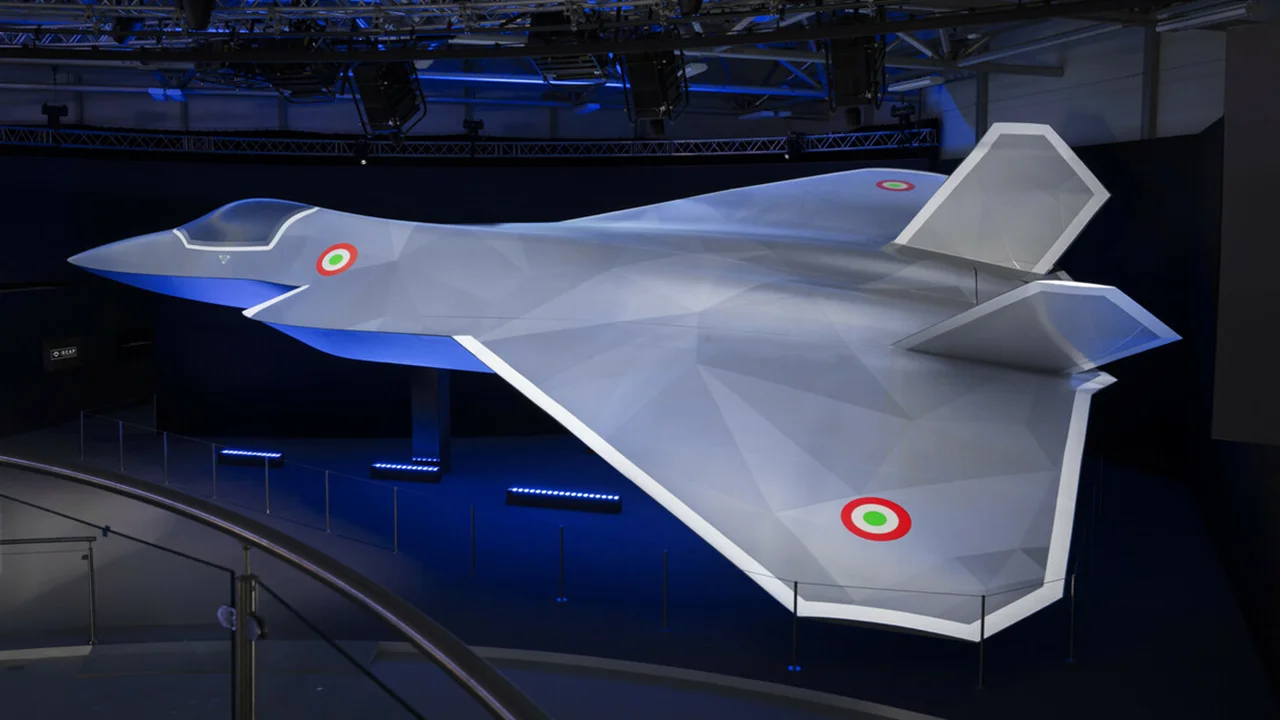 Mockup of sixth-generation fighter from GCAP project / Open source photo
Such statement was on one hand assessed as opportunity for cooperation with one of European leaders in world with unreliable U.S. Also this is opportunity for Britain, which has financial problems, to distribute development costs with Germany as well, making work cheaper.
However on other hand logical question arose: would joining of another member lead to development delays. Japan wants to field sixth-generation fighter in 2035 and project is already deviating from initial schedule.
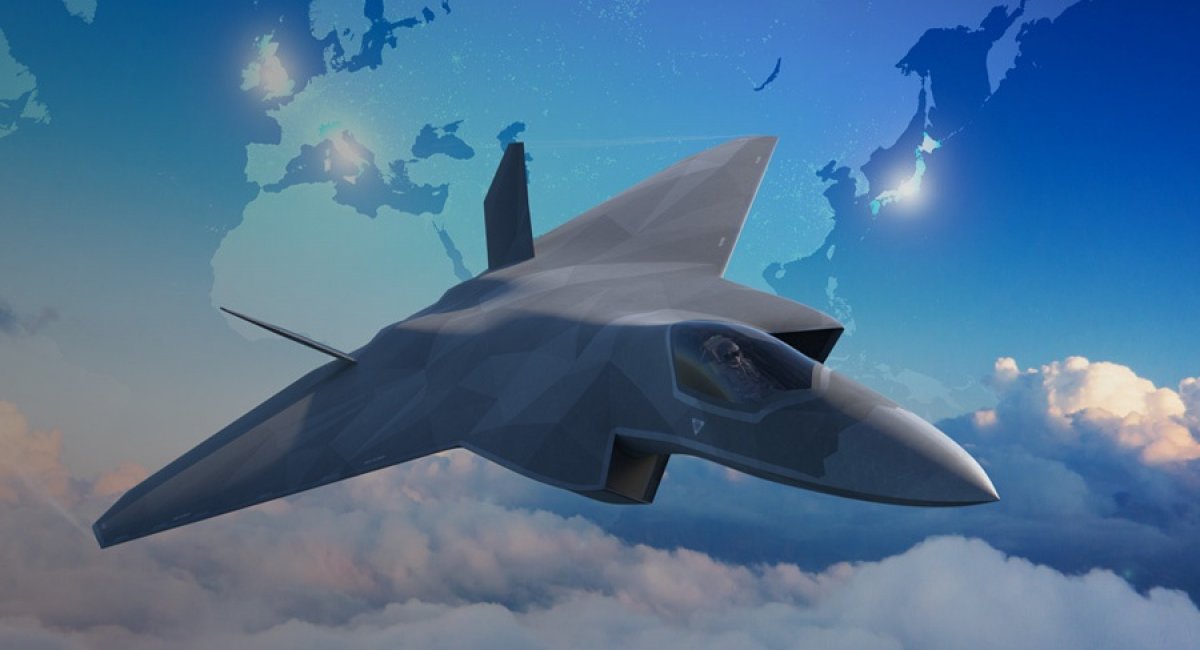 Render of sixth-generation fighter from GCAP project / Open source photo
Therefore Japanese are concerned that joining of another member will most likely mean revision of work distribution across program. Statements even sound that if Britain wants to bring Germany in, then let it allocate from its own share.
At same time it is noted that if Germans join as observer, this would not have negative impact on Japan. Currently Tokyo needs to coordinate with London and Rome the cooperation between countries mentioned by Friedrich Merz.
 Render of FCAD demonstrator from GCAP project by BAE Systems / Open source photo
Defense Express notes this is quite expected problem, because within GCAP for over a year now joint company Edgewing has been created and FCAD demonstrator is already being manufactured, whose first flight is planned for 2028. Adding another full member here will be very difficult and may offend someone among existing participants.
One can say that although Germany has option of joining as observer, such variant may not satisfy it. German industry needs sufficient level of involvement. This is precisely what led to conflict with France in FCAS program, which resulted in cooperation being stopped.
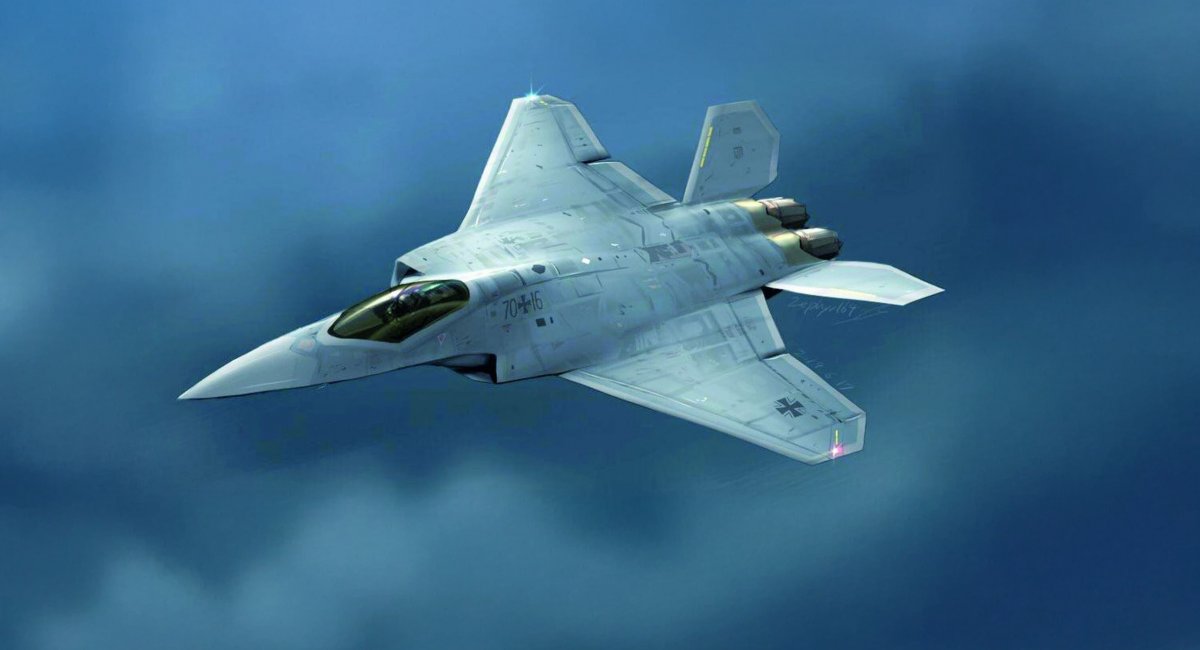 Concept of sixth-generation fighter from FCAS project by MBDA / Open source photo
Moreover recently at Airbus they specifically emphasized that political decisions must have industrial foundation. Also from German side one could hear opinions about cooperation specifically with Sweden, noting that GCAP will not produce partnership of equals, and expected aircraft exceeds German needs.
As we can see, skepticism exists from both sides regarding Germany joining sixth-generation fighter development together with British, Japanese and Italians. Option remains of transferring part of British share to Germans, but it is unknown whether British industry would agree to this, not to mention whether German industry could deliver same capabilities.
 Render of sixth-generation fighter from GCAP project / Open source photo
Currently of course probability remains that parties will manage to agree on cooperation on terms acceptable to all. However in this story there are very many nuances, so remains only to await new information.