New Carbon Storage Technology is Fastest of Its Kind
https://news.utexas.edu/2024/07/08/new-carbon-storage-technology-is-fastest-of-its-kind/

New Carbon Storage Technology is Fastest of Its Kind
https://news.utexas.edu/2024/07/08/new-carbon-storage-technology-is-fastest-of-its-kind/
2 Comments
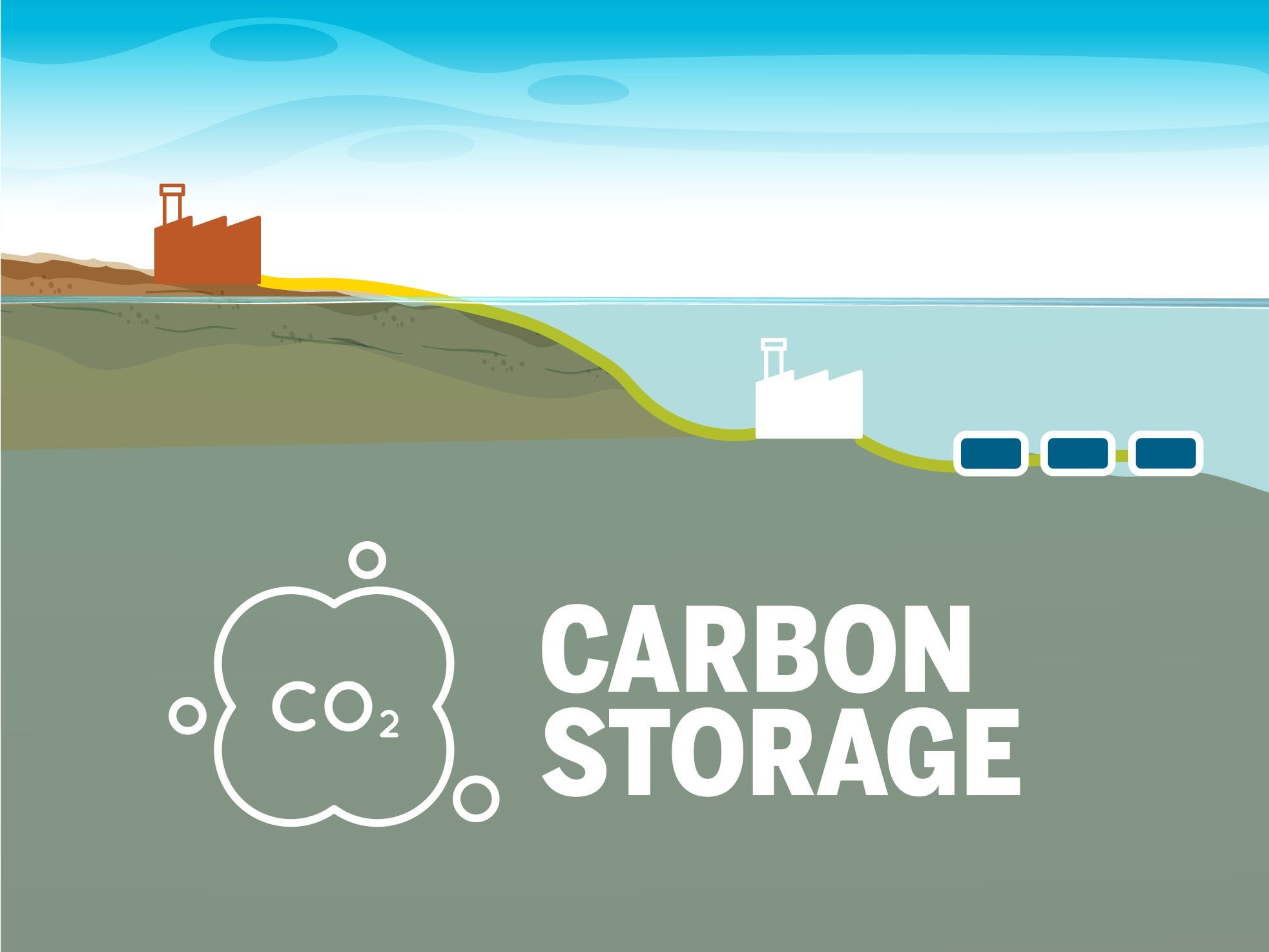
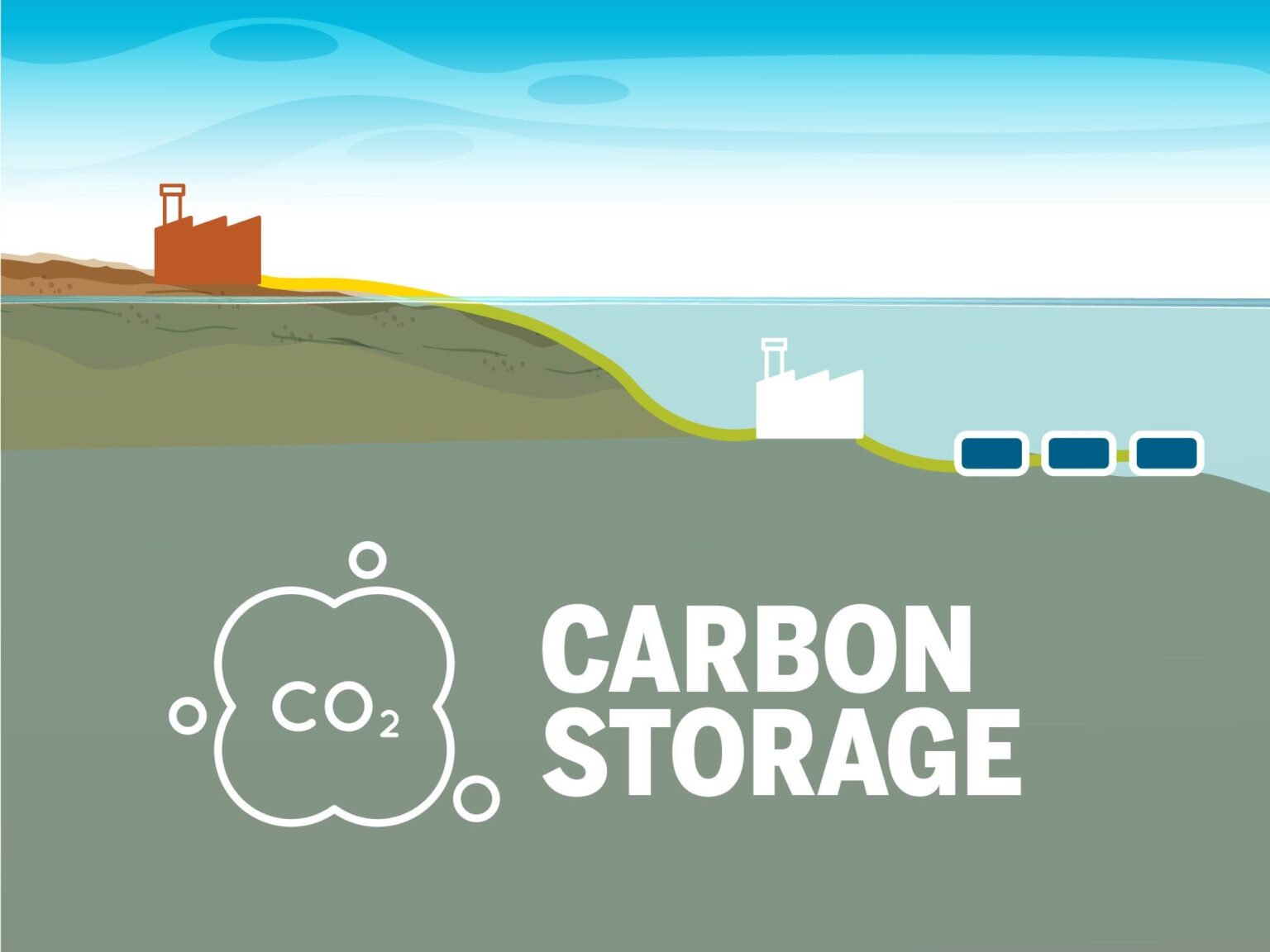
A new way to store carbon captured from the atmosphere developed by researchers at The University of Texas at Austin works much faster than current methods without the harmful chemical accelerants they require.
In this new study, the researchers achieved a sixfold increase in the hydrate formation rate compared with previous methods. The speed combined with the chemical-free process make it easier to use these hydrates for mass-scale carbon storage.
Magnesium represents the “secret sauce” in this research, acting as a catalyst that eliminates the need for chemical promoters. This is aided by high flow rate bubbling of CO2 in a specific reactor configuration. This technology works well with seawater, which makes it easier to implement because it doesn’t rely on complex desalination processes to create fresh water.
Means nothing. Won’t do anything to help our climate