
Paralyzed patient speaks with power of thoughts using brain-computer interface | The study offers hope for completely paralyzed individuals to communicate through artificial speech.
https://interestingengineering.com/science/researchers-read-a-patients-thoughts-using-ai
1 Comment
From the article: Researchers at Tel Aviv University and Tel Aviv Sourasky Medical Center succeeded in reading a patient’s thoughts with a speech-brain-computer interface, a groundbreaking [new study](http://dx.doi.org/10.1227/neu.0000000000003068).
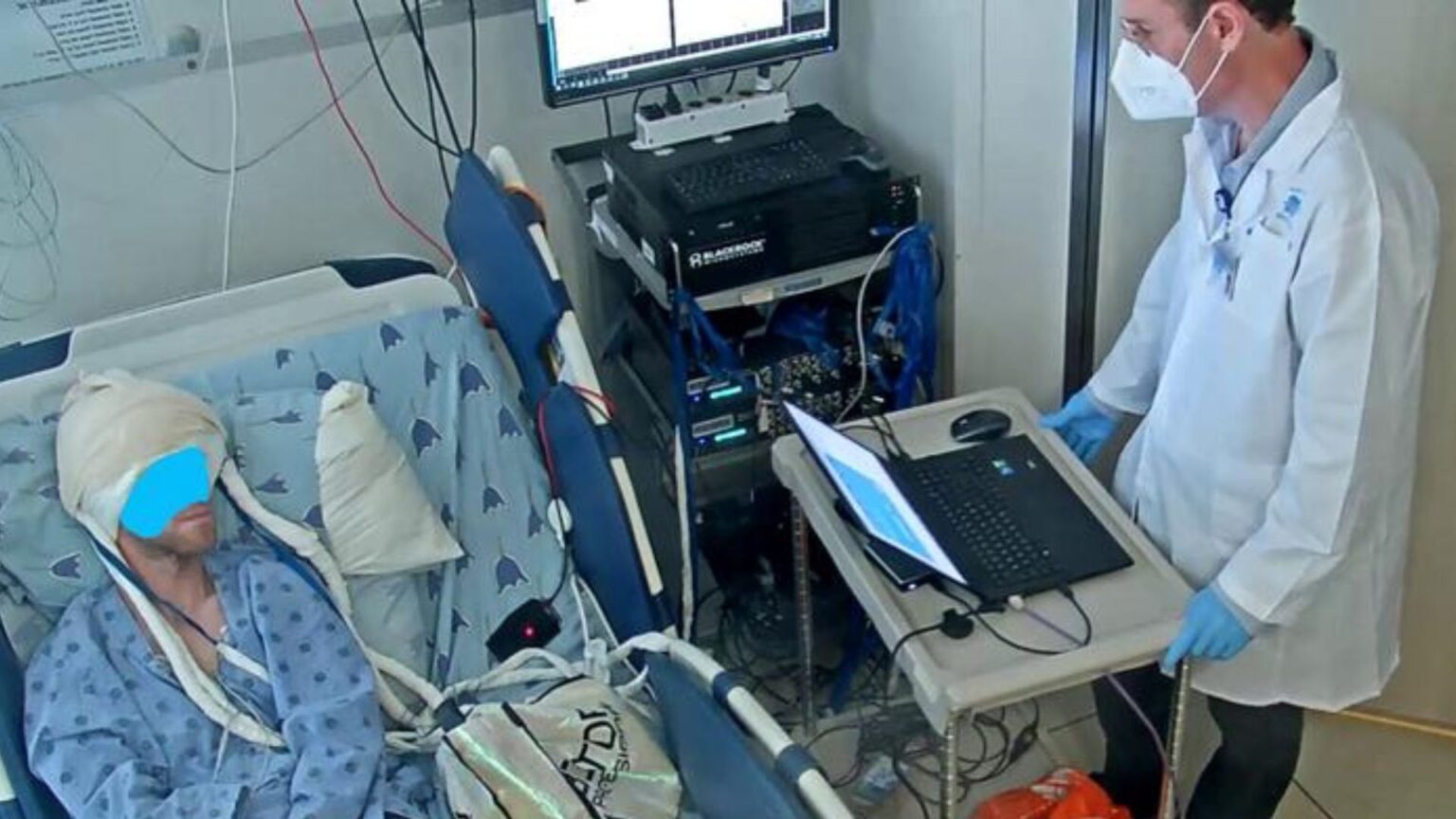
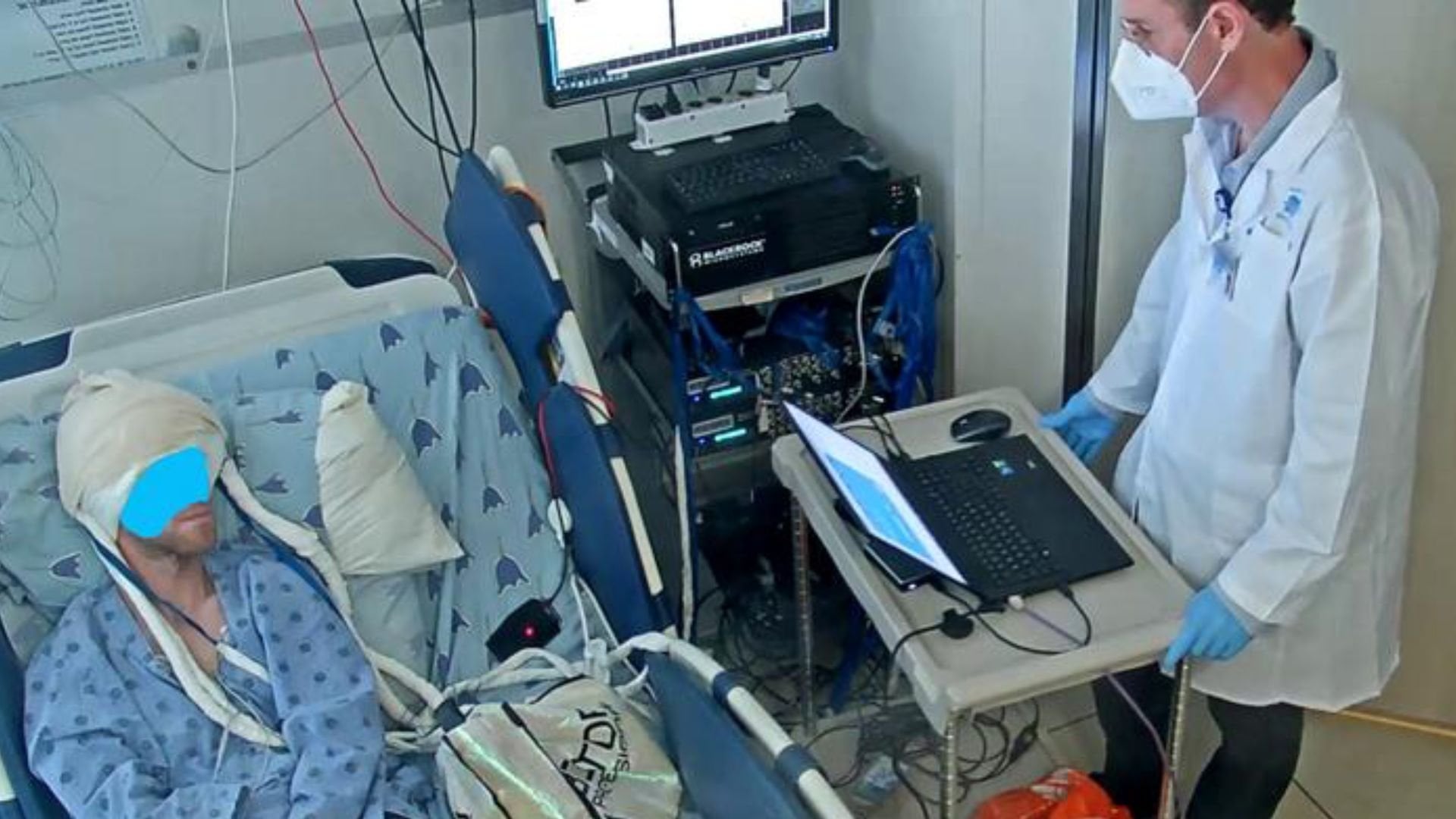
A silent participant imagined saying a syllable. Depth electrodes, according to a press release, implanted deep in his brain transmitted the thoughts as electrical signals to a computer which then vocalized them.
Not only does this experiment provide a rare glimpse into the depths of the human brain, but it may also ultimately help completely paralyzed individuals express themselves once again.
Firstly, the study was a collaboration between Dr. Ariel Tankus of TAU’s School of Medical and Health Sciences, Tel Aviv Sourasky Medical Center (Ichilov Hospital), Dr. Ido Strauss of TAU’s School of Medical and Health Sciences, and the director of the Functional Neurosurgery Unit at Ichilov Hospital.
They worked with an epileptic patient because they belonged to a subset of epileptics who don’t respond well to medication and thus require neurosurgical intervention, study leader Tankus explained.
Furthermore, he was also part of an even smaller subset within this group, where the focus seems to be deeper in the brain, rather than on the surface of the cortex. The focus refers to “the source of the ‘short’ that’s sending powerful electrical waves through the brain,” he continued.
To find the exact location of the source of the problem, doctors have to implant electrodes into the deep structures of their brains.
So, the patient used in the study already had these “brain readers” in place and was in the hospital waiting to have another seizure, as this type of epileptic must do. It is only during the seizure that doctors can discern where the focus is, so they can operate.