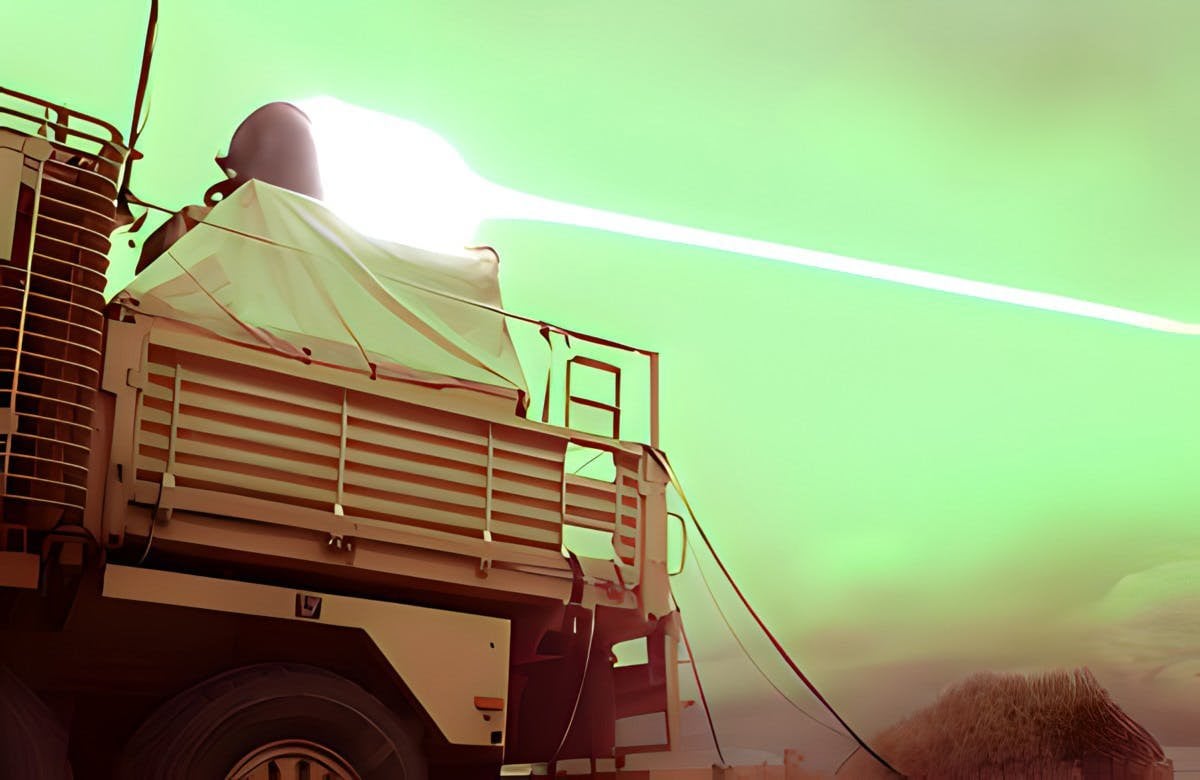
British Army vehicle fires high power laser weapon
https://ukdefencejournal.org.uk/british-army-vehicle-fires-high-power-laser-weapon/

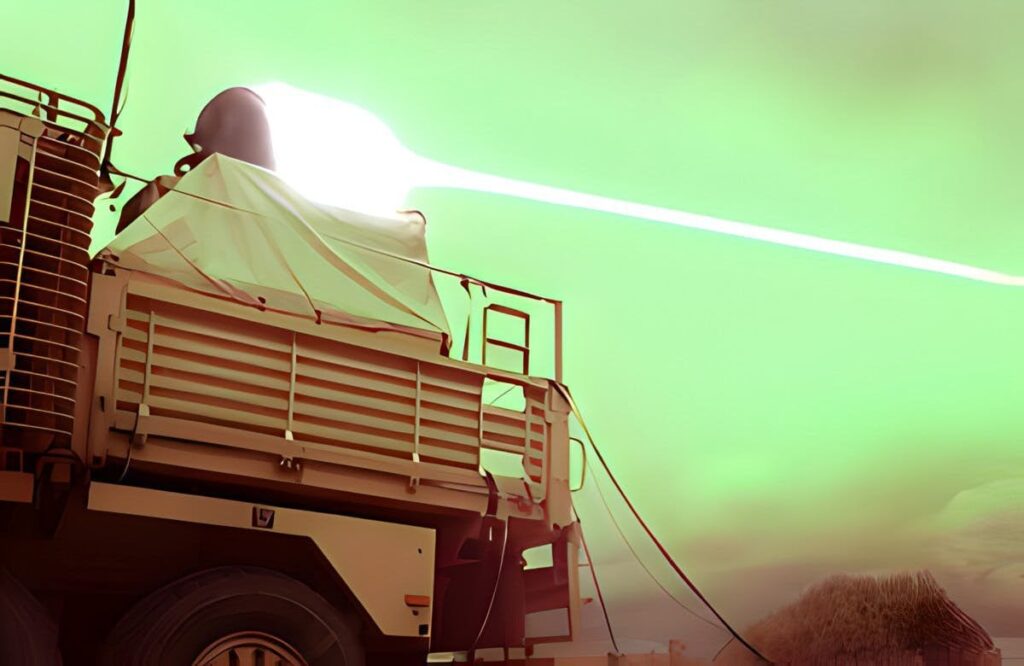
British Army vehicle fires high power laser weapon
https://ukdefencejournal.org.uk/british-army-vehicle-fires-high-power-laser-weapon/
4 Comments
From the article
>Scientists and engineers have successfully tested a high-powered laser weapon mounted on a British Army combat vehicle.
>According to the Defence Science and Technology Laboratory (Dstl) and the Ministry of Defence (MOD), this trial marks the first instance of such a weapon being fired from a UK land vehicle.
>The trial, conducted at Dstl’s range in Porton Down, saw the laser weapon effectively neutralise targets at distances greater than 1km.
>
Still waiting for them to put one on a shark.
Every animal deserves a warm meal
The US has been testing THEL weapons since at least 2000. How is this future?
>The laser weapon is described as lightweight, portable, and cost-effective, specifically developed to counter enemy drones. This advanced capability demonstrator allows the MOD and the British Army to evaluate the utility of LDEW systems against evolving threats.
>Dr Paul Hollinshead, Chief Executive of Dstl, highlighted the significance of this development, stating, “This is another significant milestone in accelerating the adoption of directed energy weapons. Working ever closer with DE&S and industry to develop critical new capabilities, we are preparing the armed forces for the future so they can detect, disable, and destroy future and novel threats.”
>The next phase of testing will involve trials with Army personnel later this year, further assessing the system’s capabilities in real-world scenarios. The laser system can track multiple targets and engage them almost instantaneously, offering a precise and powerful method to counter aerial threats.
>Matt Cork, Dstl Programme Lead, remarked, “The joint working between Dstl, DE&S, and industry has enabled rapid evolution of this laser demonstrator. The successful testing of this high-powered laser weapon marks a pivotal moment in our ongoing efforts to enhance the future operational capabilities of the British Army.”
>Developed in collaboration with a consortium of UK suppliers, including Raytheon UK, Fraser Nash, NP Aerospace, LumOptica, Blighter Surveillance Systems, and Cambridge Pixel, the laser system showcases the potential of advanced technology in modern warfare. It operates with a command and control system and can be integrated with broader battle management, radar, and surveillance systems.
>The laser weapon is described as lightweight, portable, and cost-effective, specifically developed to counter enemy drones. This advanced capability demonstrator allows the MOD and the British Army to evaluate the utility of LDEW systems against evolving threats.
>Dr Paul Hollinshead, Chief Executive of Dstl, highlighted the significance of this development, stating, “This is another significant milestone in accelerating the adoption of directed energy weapons. Working ever closer with DE&S and industry to develop critical new capabilities, we are preparing the armed forces for the future so they can detect, disable, and destroy future and novel threats.”
>The next phase of testing will involve trials with Army personnel later this year, further assessing the system’s capabilities in real-world scenarios. The laser system can track multiple targets and engage them almost instantaneously, offering a precise and powerful method to counter aerial threats.
>Matt Cork, Dstl Programme Lead, remarked, “The joint working between Dstl, DE&S, and industry has enabled rapid evolution of this laser demonstrator. The successful testing of this high-powered laser weapon marks a pivotal moment in our ongoing efforts to enhance the future operational capabilities of the British Army.”
>Developed in collaboration with a consortium of UK suppliers, including Raytheon UK, Fraser Nash, NP Aerospace, LumOptica, Blighter Surveillance Systems, and Cambridge Pixel, the laser system showcases the potential of advanced technology in modern warfare. It operates with a command and control system and can be integrated with broader battle management, radar, and surveillance systems.