Robots, drones and driverless tractors usher in new age of farming in the U.S.
Robots, drones and driverless tractors usher in new age of farming in the U.S.

Robots, drones and driverless tractors usher in new age of farming in the U.S.
Robots, drones and driverless tractors usher in new age of farming in the U.S.
4 Comments
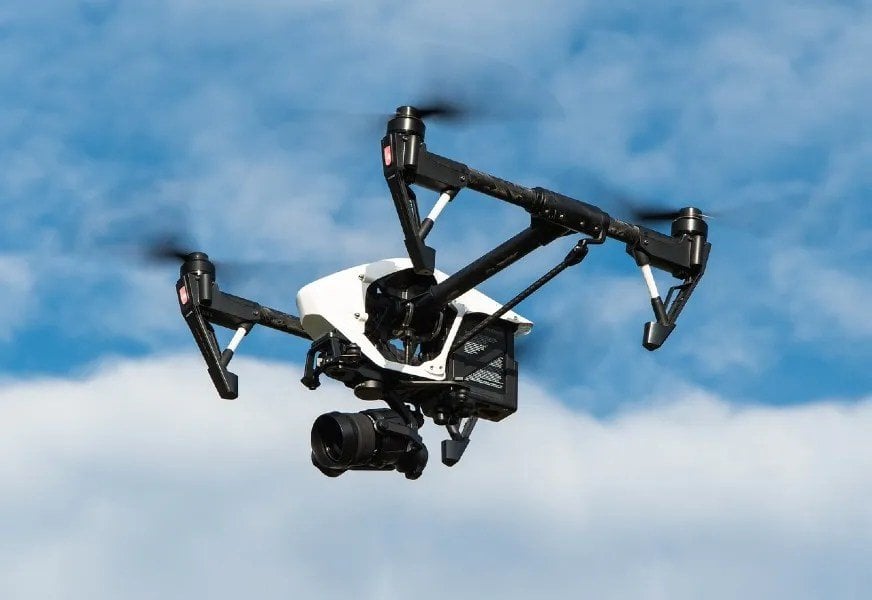
Tractors plow the farm fields without drivers, guided by satellites and iPhones. Solar-powered robots tend to plants on the ground like giant outdoor Roombas, while drones fly overhead spraying the crops, writes Michael Hirtzer for Bloomberg News.
It may sound like science fiction — perhaps Uncle Owen’s moisture farm in Star Wars — but it’s actually the future of agriculture in America, and it’s already being deployed in California vineyards and corn fields in Illinois. Automation and artificial intelligence promise to usher in a revolutionary shift for an industry long averse to change.
“We’ve really had relatively little innovation in tractors since we switched from metal wheels to rubber wheels about 100 years ago,” said Rob Myers, director of the center for regenerative agriculture at the University of Missouri. He adds that the transformation “won’t happen overnight,” as it will take time before autonomous features see wide use.
We have been awaiting the “new age of farming in the U.S” for a couple of decades.
Automations are here, and number of humans tilling the land have reduced considerably, but it is still a human centric venture!
This is just handing farming over to big tech. How’s this going to work for the small farmer? This forces them to sell out to big companies who can afford the expensive equipment.
I suspect this is going to be one of the most world changing aspects of AI/robotics. Dirt cheap, abundant food is a pretty big deal. It’s a geopolitical game changer.