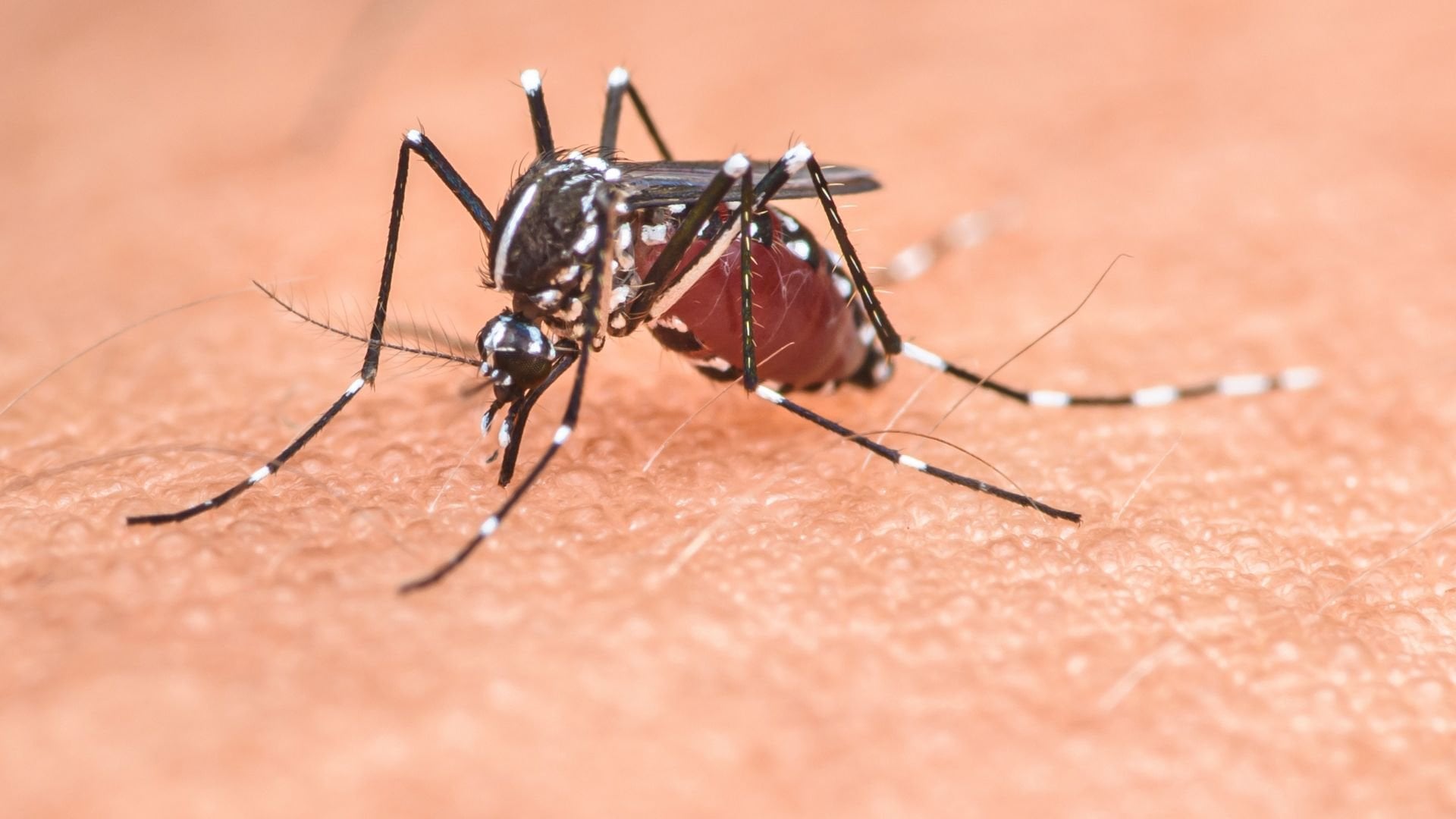
Scientists create living mosquito repellent from human skin bacteria | New bacteria design reduces mosquito attraction by up to 64.4% and lasts over a week.
https://interestingengineering.com/science/living-mosquito-repellent-from-human-skin

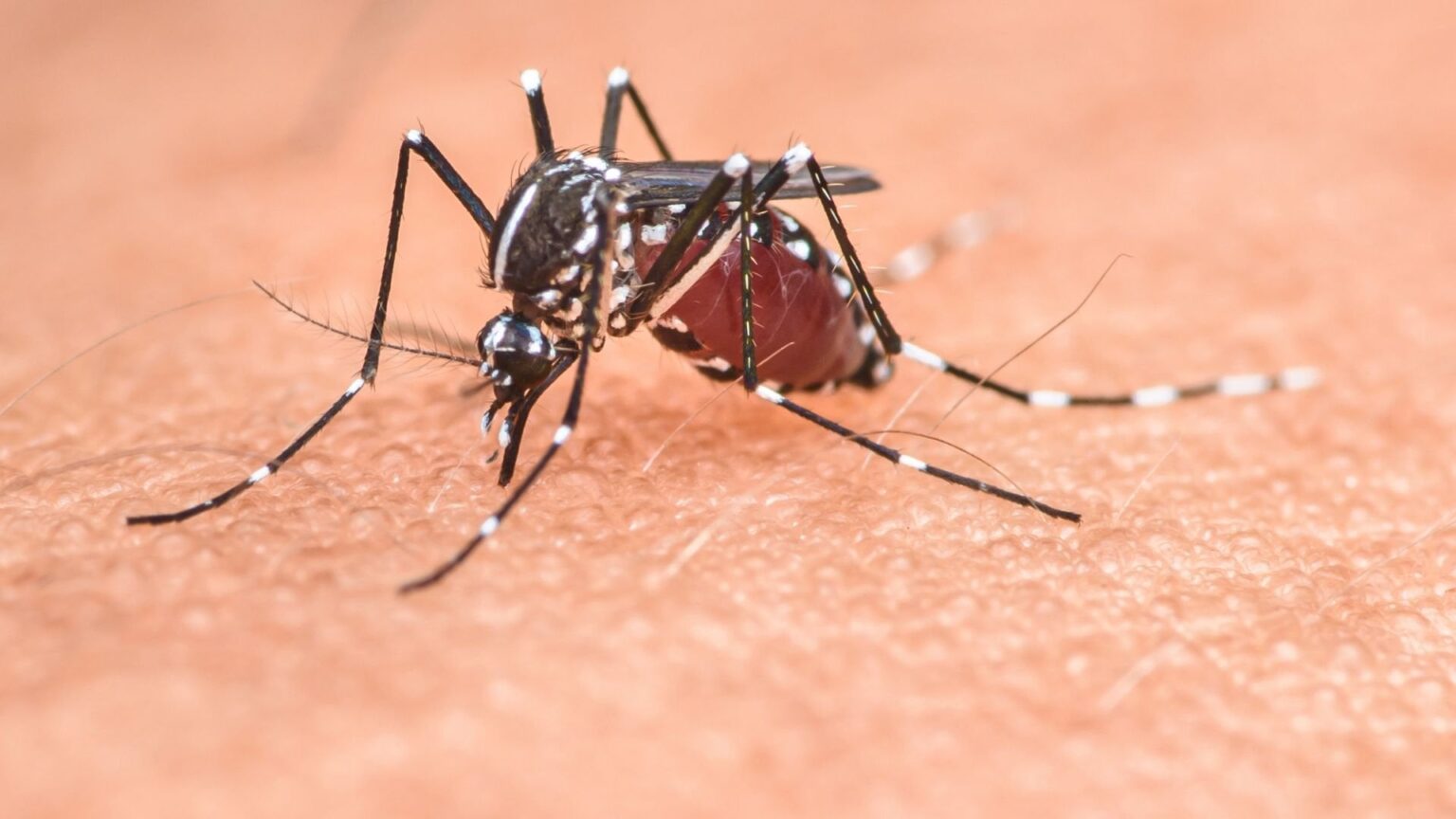
Scientists create living mosquito repellent from human skin bacteria | New bacteria design reduces mosquito attraction by up to 64.4% and lasts over a week.
https://interestingengineering.com/science/living-mosquito-repellent-from-human-skin
3 Comments
From the article: Mosquitoes are notorious for their role in spreading a range of severe diseases, including malaria, dengue fever, and Zika virus.
Traditionally, repellents like diethyltoluamide (DEET) have been used to ward off these pests, but now a breakthrough in microbiology could offer a longer-lasting, non-toxic alternative.
Researchers have engineered common human skin bacteria to repel mosquitoes with promising results that could change the way we approach mosquito control.
Mosquitoes, particularly the female ones, are attracted to humans and animals through a combination of carbon dioxide, body heat, and odors produced by skin microbes.
Among these, L-(+)-lactic acid—a compound released by certain skin bacteria—is known to attract mosquitoes. Staphylococcus epidermidis and Corynebacterium amycolatum are two such bacteria that contribute to this mosquito attraction.
In a groundbreaking [study](https://academic.oup.com/pnasnexus/article/3/7/pgae267/7717706?login=false) led by Professor Omar Akbari at the University of California-San Diego, researchers have engineered these bacteria to produce significantly less L-(+)-lactic acid. The idea was to create a version of these bacteria that would reduce mosquito attraction when applied to the skin.
That’s still too many mosquito bites, keep working on it
5 years later:
“Turns out that all the initial participants in the early test phase, ended up with one leg significantly shorter than the other, and frequently speaking in tongues.”
——————————–
In short:
This is only partially effective, and at best, expect many many years of testing.
Funny enough, and similarly: dental researchers discovered a bacteria that will colonize your mouth, and pretty much give you seriously solid protection against cavities for life.
But it was not allowed to be applied.
Because, turns out it will spread during kissing, to others, and those others are not willing recipients of the bacterial treatment.
So ya, that pretty much sets a precedent, and seals the deal against so many otherwise benefitive bacterial oriented treatments.