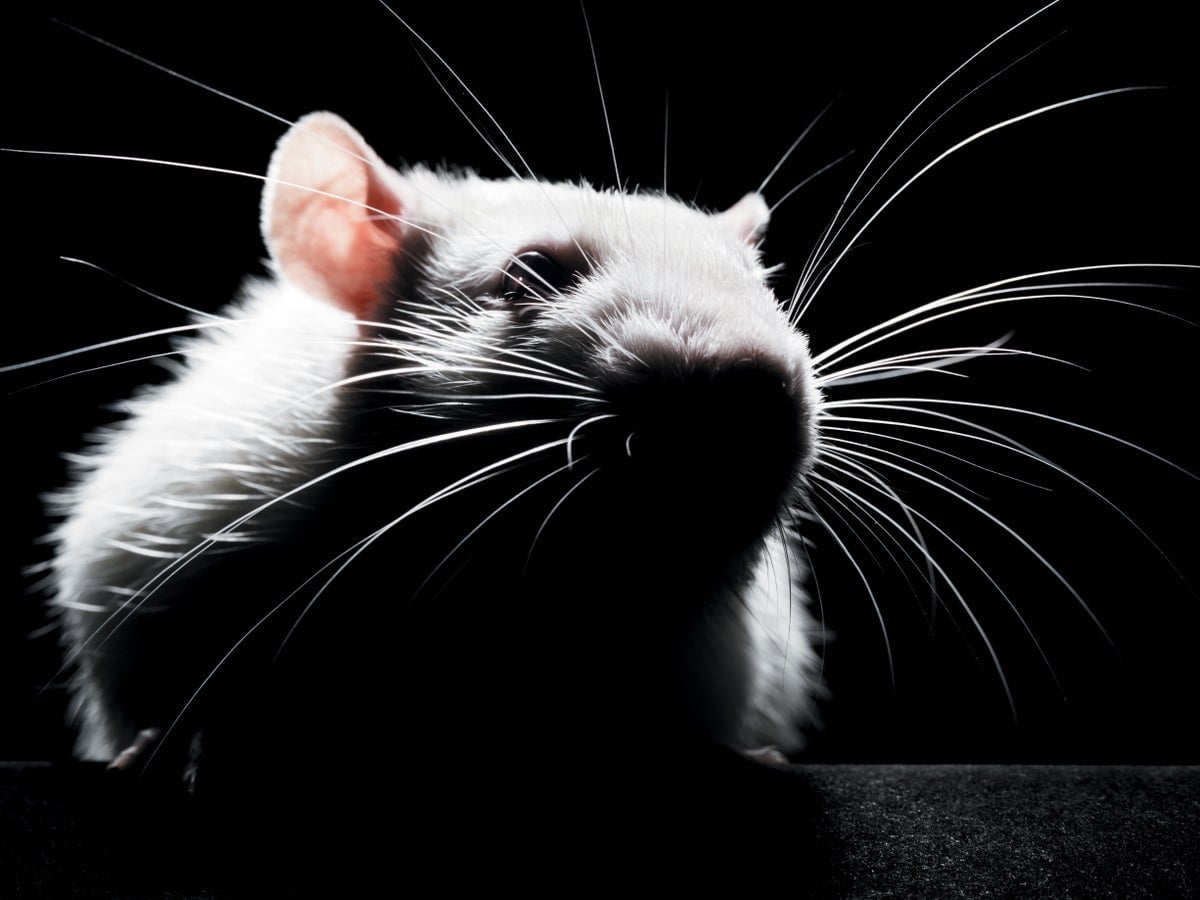
Can better biotech finally replace lab animals?
https://www.scientificamerican.com/article/next-generation-biotech-is-rendering-some-lab-animals-obsolete/?utm_campaign=socialflow&utm_medium=social&utm_source=reddit

Can better biotech finally replace lab animals?
https://www.scientificamerican.com/article/next-generation-biotech-is-rendering-some-lab-animals-obsolete/?utm_campaign=socialflow&utm_medium=social&utm_source=reddit
5 Comments
Submission Statement:
A growing, multidisciplinary community of researchers around the world is investigating alternatives to animal models. Some are motivated by concerns about animal welfare, but for many, sparing the lives of millions of creatures is just an added bonus. They are driven primarily to create technologies and methods that will approximate human biology and variability better than animals do.
For the past decade or so dozens of labs, start-ups and nonprofit groups have pursued alternative methods that range from machine-learning tools that predict chemical toxicity to living “organs-on-a-chip” that can be combined to replicate human organ systems. Their efforts have now matured to the point where some labs are phasing animals out entirely. Research is beginning to show that these new methods often provide significantly more accurate answers than animals do.
While it would be nice to not have to experiment on animals, i just don’t see how we’re going to replace animal models anytime soon. Animals have living tissue, they are living organisms that react to what is being tested. I just don’t see how we’re going to replace that with a piece of plastic.
I think organoids (and eventually lab grown organs) could bring us closer to replacing animal models. But even then, i don’t see it happening anytime soon.
I’m a scientist working with cancer cures in academia. One of the problems of science is the nature of publications. We have to have big publications to get funding and keep going. Those publications need to be very very polished to land in a good journal. In my exact field, having mice models have very little scientific value (we are showing more important things than that), but animal models offer the necessary “cosmetics” to land on a big journal (science, nature etc).
Won’t replacing lab rats with expensive biotech further raise operating costs and make things prohibitively expensive for some? Admittedly I say this as someone who cares more about accessibility than lab rats, and doesn’t generally value them as anything more than their cost, which should be driven down so ever more can be thrown at the great wall of science to see what sticks.
No. I am tangentially a part of a group that is trying to model the systems within the cell. AI might be able to help out as it gets developed, but I can’t see this being reality within the lifetime of anyone currently alive.