
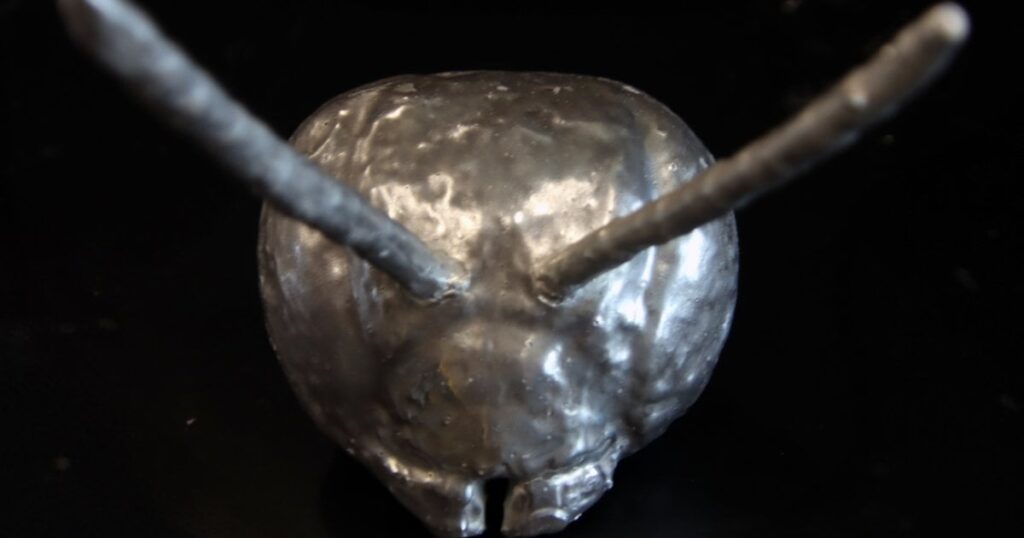
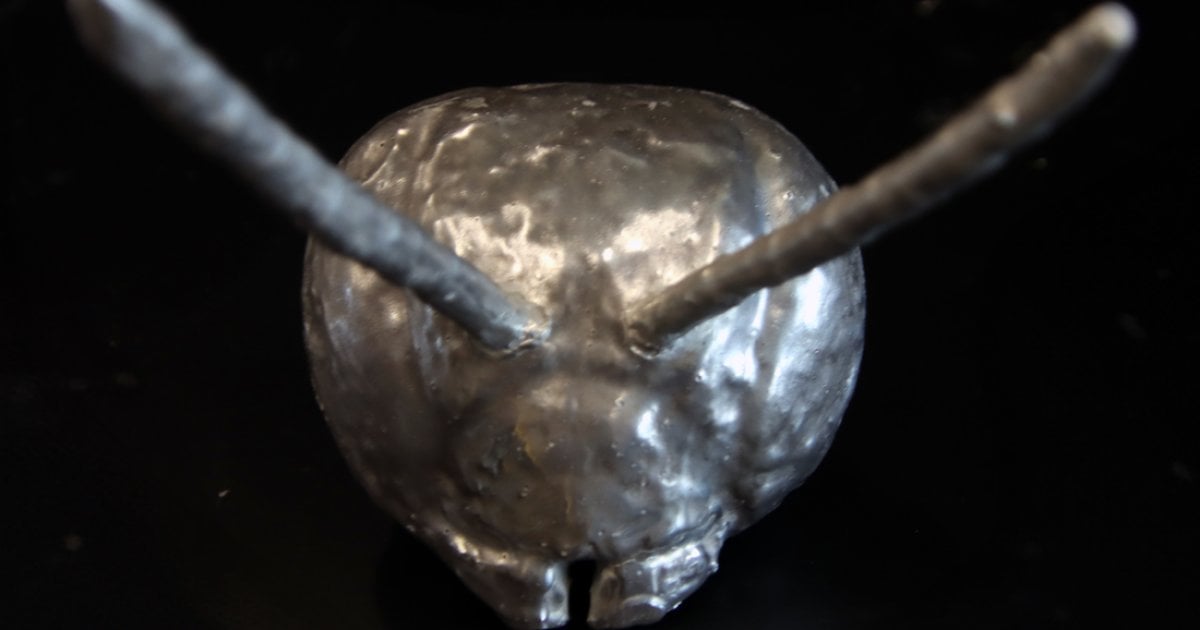
They produced by casting, 3d printing, and coating large continuous solid pieces of metal, with 99.5% purity. These structures not only have properties of metals, including good electrical conductivity, but they’re still compatible with other biomaterials. That means they could be incorporated into materials like wood and cellulose.
https://newatlas.com/materials/room-temperature-metalworking-insects-crab-shells/
2 Comments
Biological systems evolve with minimal metabolic costs and common components, guiding a manufacturing paradigm centered on minimum energy, local resources, and ecological integration. This new metalworking method uses the components and principles of the arthropod cuticle to aggregate colloidal suspensions of metals into ultra-low-binder-content composites (over 99.5% metal). These composites show bonding affinity for biological components and metallic characteristics, such as electrical conductivity. Operating at ambient conditions and driven by water exchange, this eco-friendly approach allows printing and casting into large functional shapes, potentially revolutionizing sustainable manufacturing by integrating simultaneously biological and metallic properties.
Now only if there was an alternative industrial way to manufacture chitosan without processing shrimp on large scales