
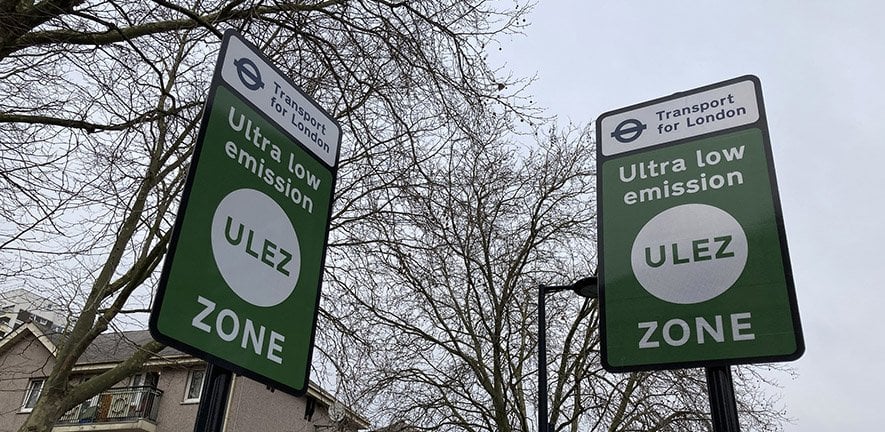
Four in ten children in Central London who travelled to school by car switched to more active modes of transport, such as walking, cycling, or public transport, following the introduction of the Ultra-Low Emission Zone (ULEZ)
https://www.cam.ac.uk/research/news/children-switch-to-walking-and-cycling-to-school-after-introduction-of-londons-ultra-low-emission?utm_campaign=research&utm_source=twitter&utm_medium=social
1 Comment
Car travel contributes to air pollution, a major cause of heart and lung diseases including asthma attacks. Beyond this, it limits children’s opportunities for physical activity, hindering their development and mental health, and increasing their risk of obesity and chronic illnesses.
Despite UK guidelines recommending a daily average of 60 minutes of moderate-to-vigorous physical activity for school-aged children and adolescents, less than half (45%) of children aged 5-16 met these levels in 2021. One in three children aged 10-11 in the UK are overweight or obese.
In April 2019, London introduced the ULEZ to help improve air quality by reducing the number of vehicles on the road that do not meet emissions standards. According to Transport for London, the central London ULEZ reduced harmful nitrogen oxides by 35% and particulate matter by 15% in central London within the first 10 months of its introduction.
In a study published today in the International Journal of Behavioral Nutrition and Physical Activity, a team led by researchers at the University of Cambridge and Queen Mary University of London examined the impact of the ULEZ on how children travelled to school. The research was part of the CHILL study (Children’s Health in London and Luton).